Walmart Advances Sustainability Goals Through U.S. Cotton Trust Protocol Membership
Walmart has officially joined the U.S. Cotton Trust Protocol, marking a significant milestone in the retailer’s ongoing mission to become a regenerative company. By aligning with this voluntary, science-based sustainability program, the Bentonville-based retail giant is taking a decisive step toward ensuring that the cotton used in its private-label apparel and home products is grown with increased environmental transparency and ethical accountability.
The U.S. Cotton Trust Protocol provides a standardized system for measuring and verifying sustainability progress in six key areas: land use, soil carbon, water management, soil loss, greenhouse gas emissions, and energy efficiency. For a global leader like Walmart, the move is more than a philanthropic gesture; it is a calculated integration of supply chain technology and data-driven corporate strategy.
Strengthening Supply Chain Transparency
In today’s omnichannel retail landscape, consumers are increasingly demanding transparency regarding the origins of their products. By joining the Protocol, Walmart gains access to the Protocol Platform, which utilizes blockchain-inspired tracking to provide "cradle-to-gate" visibility. This technology allows the retailer to verify that the fibers used in its supply chain are sourced from U.S. growers who adhere to higher environmental standards.
This shift toward verified sourcing is a critical component of Walmart’s broader "Project Gigaton" initiative, which aims to reduce or avoid one billion metric tons of greenhouse gas emissions from the global value chain by 2030. The data provided by the Trust Protocol allows Walmart to accurately quantify its progress toward these climate goals, providing stakeholders and investors with the rigorous reporting they now expect from industry leaders.
Economic and Environmental Impact of Sustainable Cotton
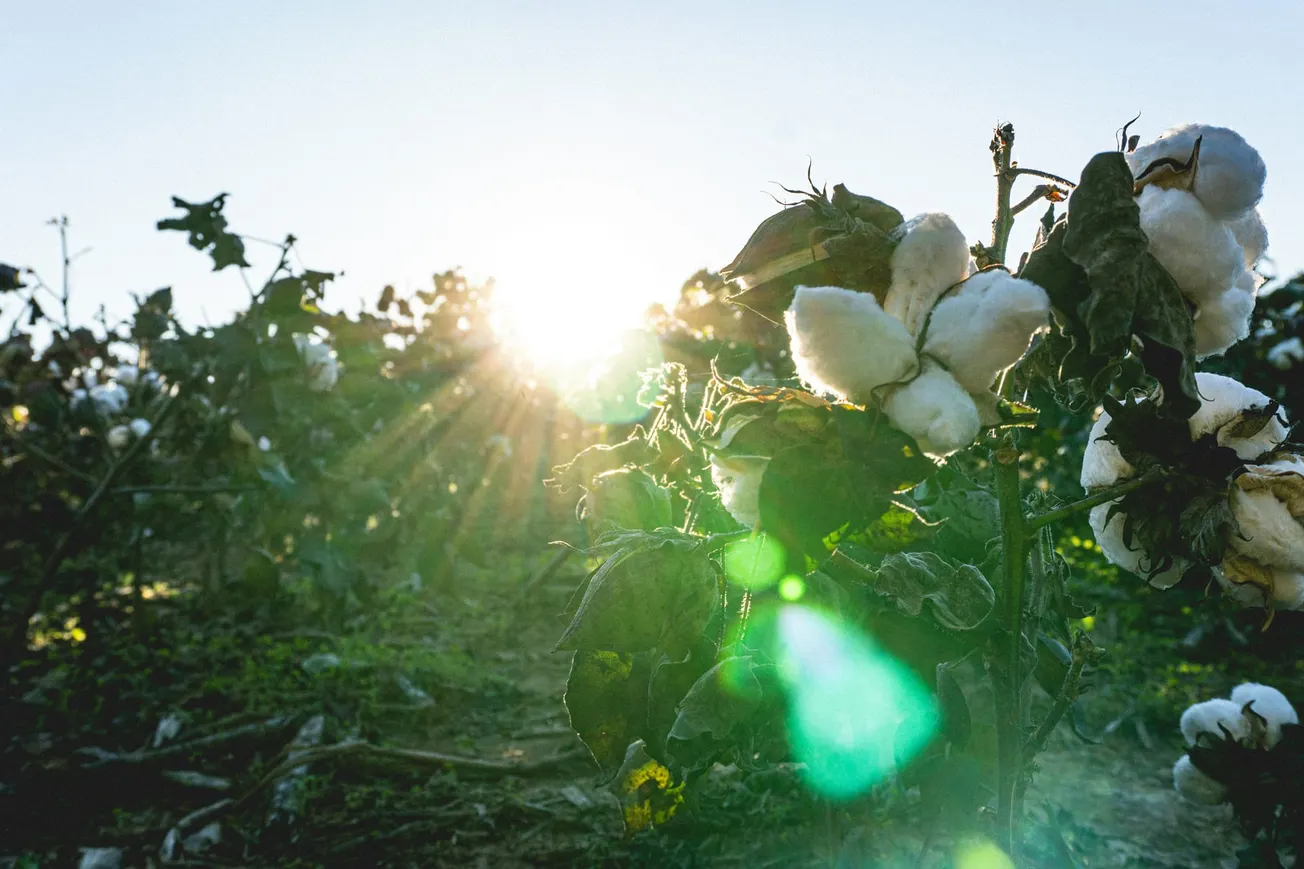
Cotton is a fundamental material for Walmart’s massive textile operations. By supporting U.S. cotton growers who utilize precision agriculture and sustainable practices, Walmart is helping to stabilize the domestic supply chain while reducing its environmental footprint. The Protocol encourages practices such as cover cropping and reduced tillage, which improve soil health and increase carbon sequestration.
The integration of these practices helps mitigate the risks associated with climate volatility, which can often disrupt global cotton yields. For the merchandising teams in Bentonville, this means a more reliable and resilient supply of raw materials, ensuring that high-quality, sustainably sourced apparel remains accessible and affordable for the everyday shopper.
A Model for Regenerative Retail
Walmart’s membership in the U.S. Cotton Trust Protocol serves as a blueprint for how large-scale retailers can leverage their purchasing power to drive systemic change. As the company continues to break down the barriers of omnichannel retail, the inclusion of sustainable "storytelling" at the point of purchase—whether in-store or through digital platforms—becomes a powerful tool for brand loyalty.
By prioritizing verifiable data and environmental stewardship, Walmart is not only protecting the planet’s resources but is also securing its position as a forward-thinking leader in the global retail economy. As the rollout of Protocol-verified products begins to hit shelves, the industry will be watching closely to see how this focus on regeneration reshapes consumer expectations and supply chain standards worldwide.
More about Walmart:
 Staff Report
 Staff Report
 Staff Report