

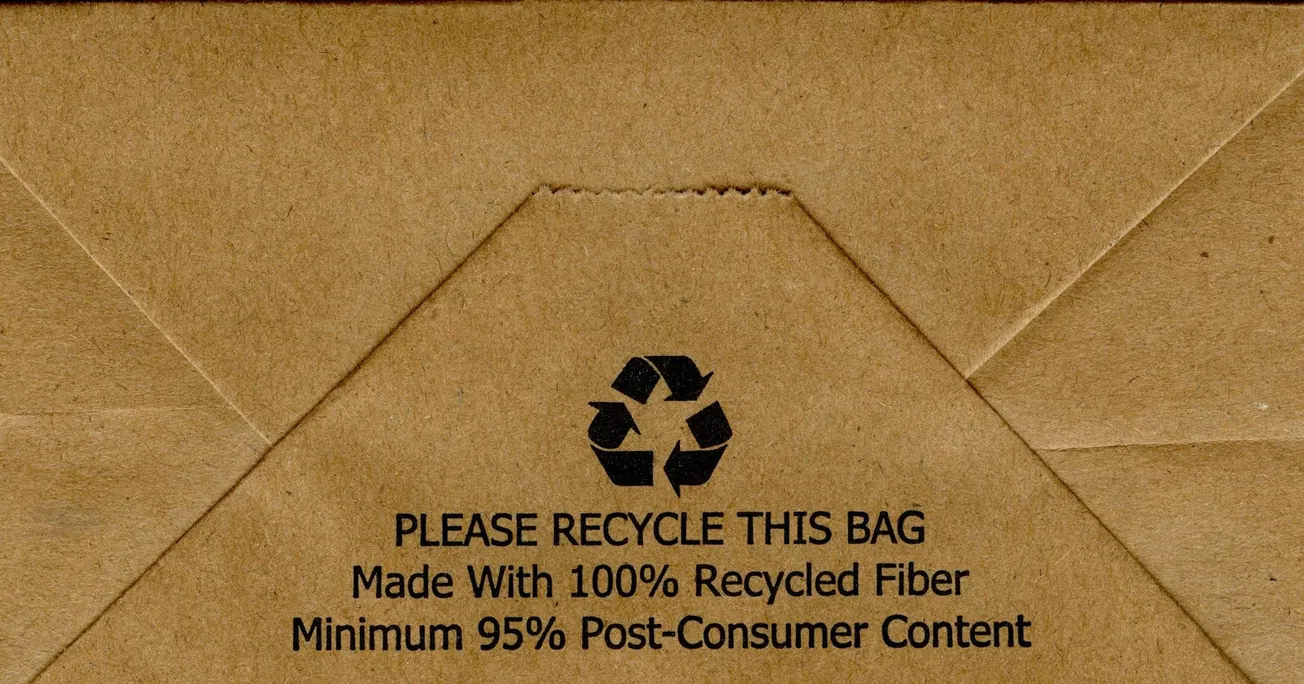
The global consumer products industry is intensifying its focus on environmental stewardship as regulatory bodies and modern consumers demand greater corporate accountability.
A growing coalition of multinational brands has announced a comprehensive restructuring of packaging supply chains, prioritizing the elimination of virgin plastics in favor of fully recyclable, bio-based alternatives. This shift aligns with broader corporate mandates focused on economic regeneration and waste reduction.
According to data tracked by the Ellen MacArthur Foundation, implementing circular economy principles within product packaging can significantly lower an enterprise’s Scope 3 greenhouse gas emissions. Achieving these circularity benchmarks requires close collaboration between raw material suppliers, packaging design firms, and municipal recycling infrastructures.
Many companies are redesigning product shapes and secondary shipping containers to optimize cargo space and minimize material use during transit.
For retail merchants and logistics directors, the transition to sustainable packaging introduces both operational challenges and branding opportunities.
While the initial research, development, and supply chain retooling costs can be substantial, long-term optimization often yields lower transport costs due to reduced package weight. Furthermore, brands that successfully demonstrate transparent, verifiable progress toward zero-waste operations are increasingly favored by retail category managers seeking to meet shared corporate environmental goals.