

Blindly trusting an automated recommendation tool is a guaranteed way for a retail merchant to lose their job. While technology providers promise that machine intelligence can seamlessly parse assortments, track vendor metrics, and execute inventory replenishment, data dumps cannot assume corporate accountability. In this episode of Scott's Thoughts, seasoned retail executive Scott Benedict breaks down why the rapid expansion of predictive algorithms isn't replacing the human buyer, but instead putting a massive premium on executive judgment.
We sit down to dissect the historic relationship between merchants and decision-support infrastructure, drawing on Scott's decades of experience managing categories at Walmart, Sam's Club, and Best Buy. We get into the critical limitations of spreadsheet data, the fundamental difference between predictive analytics and strategic risk tolerance, and the operational reality of managing expanded digital marketplaces. Scott unpacks his core perspective on the dual nature of modern commerce: while algorithmic engines heavily optimize the transactional science of retail, the high-stakes creative art of assortment building remains entirely dependent on human context.
The hard operational truth is that no corporate leadership team accepts technical malfunction as an excuse for an inventory write-down or a missed quarterly sales target. Standardizing internal processes to filter out algorithmic noise is tedious, unglamorous backend work, but letting a model operate without strict guardrails introduces systematic margin risks. Viewers will walk away with a functional framework for decoupling low-value reporting tasks from high-impact product positioning to maximize category productivity.
If you care about digital merchandising structures, artificial intelligence integration, and cross-functional retail leadership, you’ll get a lot from this. Make sure to subscribe to the channel and share this episode with your category teams. What is the one operational decision in your current merchandising workflow that you would absolutely never outsource to an autonomous algorithm?
The AI Isn’t Accountable. The Merchant Still Is.
Scott Benedict draws on decades at Walmart, Sam's Club, and Best Buy to explain why AI won't replace human merchants, arguing predictive tools optimize transactions while strategic judgment remains an irreplaceable art.
Related
Target’s Comeback Is a Reminder That Merchandising Still Matters
Scott Benedict breaks down how Target's return to core merchandising and faster assortment refresh cycles is driving traffic, showing why sourcing emerging brands often beats big marketing when demand stalls.

Retail Growth Is Hiding a Unit Problem
Scott Benedict breaks down why rising retail revenue is masking a hidden unit volume crisis, revealing how price hikes, private label shifts, and shrinking baskets distort what merchants think is actual demand.
Retail Media Isn’t Advertising Anymore
Scott Benedict explores why retail media is becoming commerce's operating system, revealing how AI powered orchestration and unified merchandising strategy determine whether high intent clicks actually convert into sales.
The New Retail Battleground Isn’t the Click – It’s the Recommendation
Scott Benedict explains how AI is compressing the traditional purchase funnel into single conversational searches, and why brands must build clean, structured product data to get recommended by AI shopping assistants.
Latest

Ep. 16 - Value Over Cost: Redefining Supply Chain Metrics
Supply chain veteran Lora Cecere breaks down why multinationals struggle to scale, revealing how outdated safety stock assumptions and siloed planning erode margins, and what it takes to synchronize networks effectively.
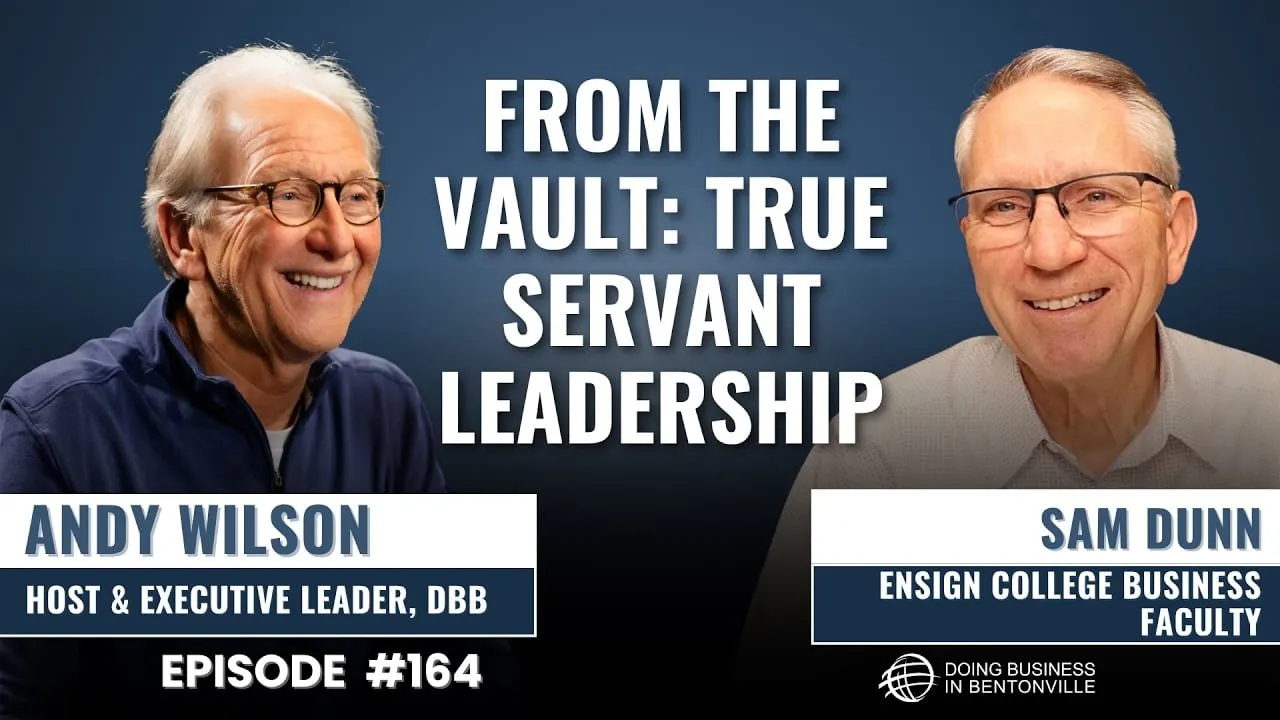
Ep. 164 - From the Vault: What Executives Learn from Sam Walton
Former Walmart SVP Sam Dunn shares operational lessons from working under Sam and Rob Walton, breaking down the costly Hypermart rollout and how leadership stabilized profits after a shattered 99 quarter growth streak.
Target’s Comeback Is a Reminder That Merchandising Still Matters
Scott Benedict breaks down how Target's return to core merchandising and faster assortment refresh cycles is driving traffic, showing why sourcing emerging brands often beats big marketing when demand stalls.
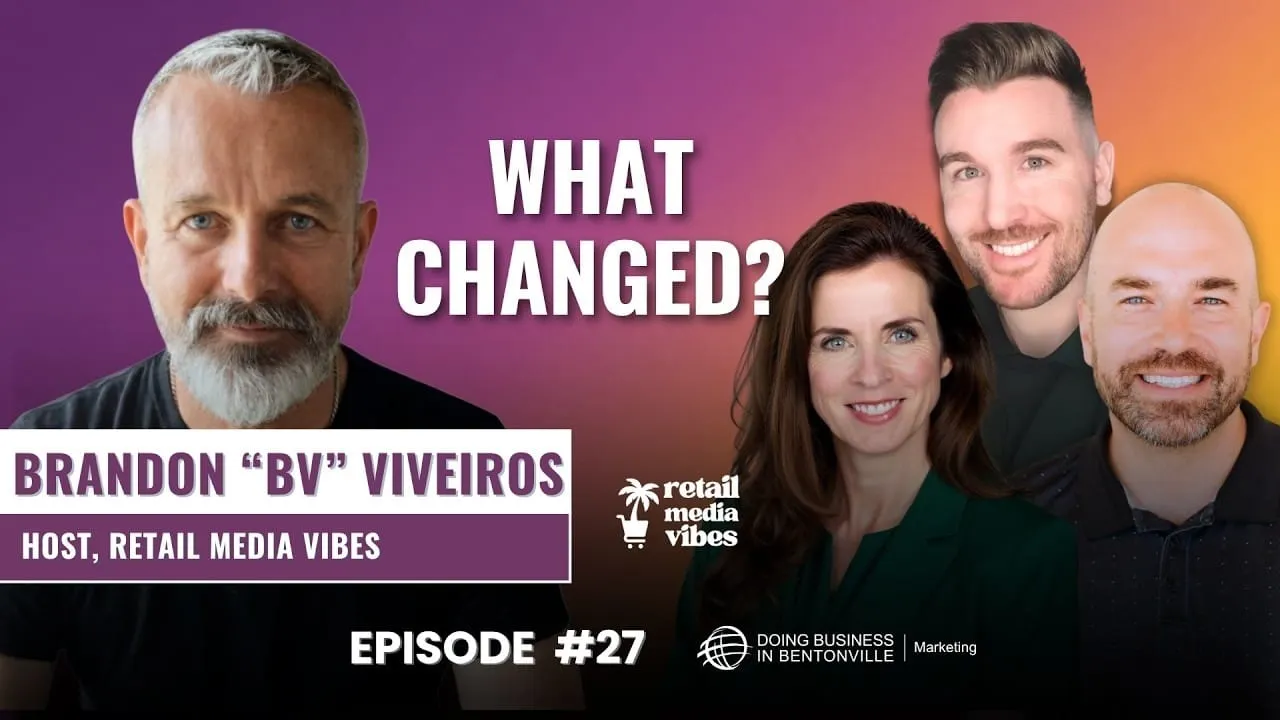
Ep. 27 - Retail Media Vibes: One Year Later
Brad Godwin, Jessica Hendrix, and Tom Breeden mark one year by breaking down artificial scarcity, AI's role in shopping, and how leaders can retain top talent while deploying generative tools without losing the human touch.