

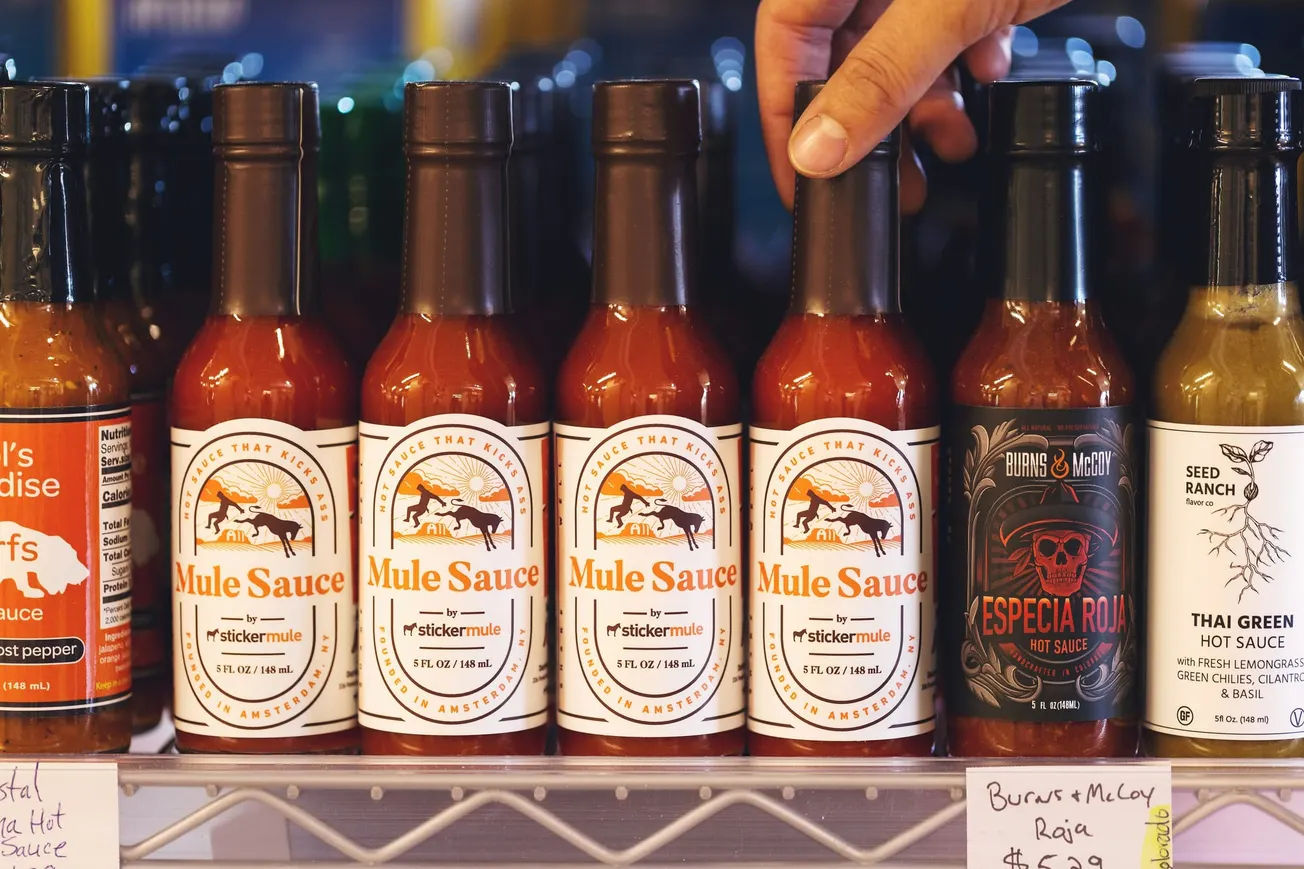
Private Label Power: Navigating the New Rules of Data-Driven Retail
In the latest episode of the Digital Front Door podcast, industry veterans Scott Benedict and Lee Kallman, Chief Commercial Officer at RD Solutions, sat down to unpack the fundamental shift occurring within the retail sector. The conversation explores how the democratization of data and evolving consumer perceptions are elevating store brands from low-price alternatives to high-quality market leaders.
As retail enters a period of "access to everything," the challenge for merchants has shifted from information scarcity to information overload. The ability to operationalize high-velocity web data into actionable intelligence at the store level is now the primary differentiator between market leaders and those struggling with legacy systems.
The Evolution of Actionable Analytics
For decades, retail competitive intelligence relied on manual audits—boots on the ground tracking prices and assortments. Today, digital platforms provide a deluge of real-time signals. However, Lee Kallman argues that data without execution only leads to "organizational anxiety." To bridge this gap, retailers are focusing on a 72-hour execution window: identifying problems like "phantom inventory" or pricing discrepancies and resolving them before the customer migrates to a competitor.
This speed of execution requires a robust foundation of data governance. As e-commerce platforms often omit standard identifiers like UPCs, the task of comparing private labels against national brands becomes increasingly complex. Success in 2026 depends on sophisticated frameworks that allow for "like-for-like" comparisons across various pack sizes and omnichannel platforms.
The Paradigm Shift in Private Label Quality
Perhaps the most significant revelation from the discussion is the changing consumer sentiment toward store brands. Recent data indicates that 86% of U.S. shoppers have tried private label items, with 64% now perceiving them as equal or superior in quality to national brands. This shift is particularly evident in new, premium entries like Walmart’s "Better Goods" line, which challenges traditional CPG giants on innovation rather than just price point.
Retailers are leveraging marketplace intelligence to identify "white space" ignored by larger, less nimble national brands. By using ratings, reviews, and real-time search data, store brands are being developed with a precision that was historically reserved for global marketing powerhouses. This forces national brands to pivot, moving away from simple product sales toward providing comprehensive category insights to justify their shelf space.
Managing the Omnichannel Identity
A recurring theme in the Doing Business in Bentonville ecosystem is the lack of "channels" in the consumer’s mind. Shoppers do not distinguish between their physical and digital personas; they simply expect a consistent brand promise. This creates what the experts call the "Instacart Dilemma"—where retailers may lose control of their pricing and promotion strategy to third-party delivery platforms.
To regain control, retailers must integrate their digital and physical silos. Whether through loyalty programs or modernized point-of-sale systems, the goal is to create a holistic view of the customer journey. This integration is reaching a tipping point with the adoption of Electronic Shelf Labels (ESLs). By reducing the labor-intensive process of manual price changes, ESLs enable a more fluid, responsive marketplace that can reflect digital price shifts in real-time.
Overcoming Legacy Limiters
The transition to a fully data-driven culture remains a human challenge. For many merchants, moving away from "gut feel" to algorithmic decision-making is a difficult cultural shift. However, as legacy systems like "green screen" terminals and fragmented databases are phased out, the opportunity for AI-driven predictive modeling grows.
The winners in this new era of retail will be those who view data as a tool for visibility and velocity. By combining merchant expertise with real-time analytics, retailers can ensure that every insight results in a better experience for the shopper. As private labels continue to gain ground, the "new rules of retail" dictate that information—and the speed at which it is acted upon—is the ultimate currency.


