7-Eleven Announces Strategic Realignment with 600 Store Closures
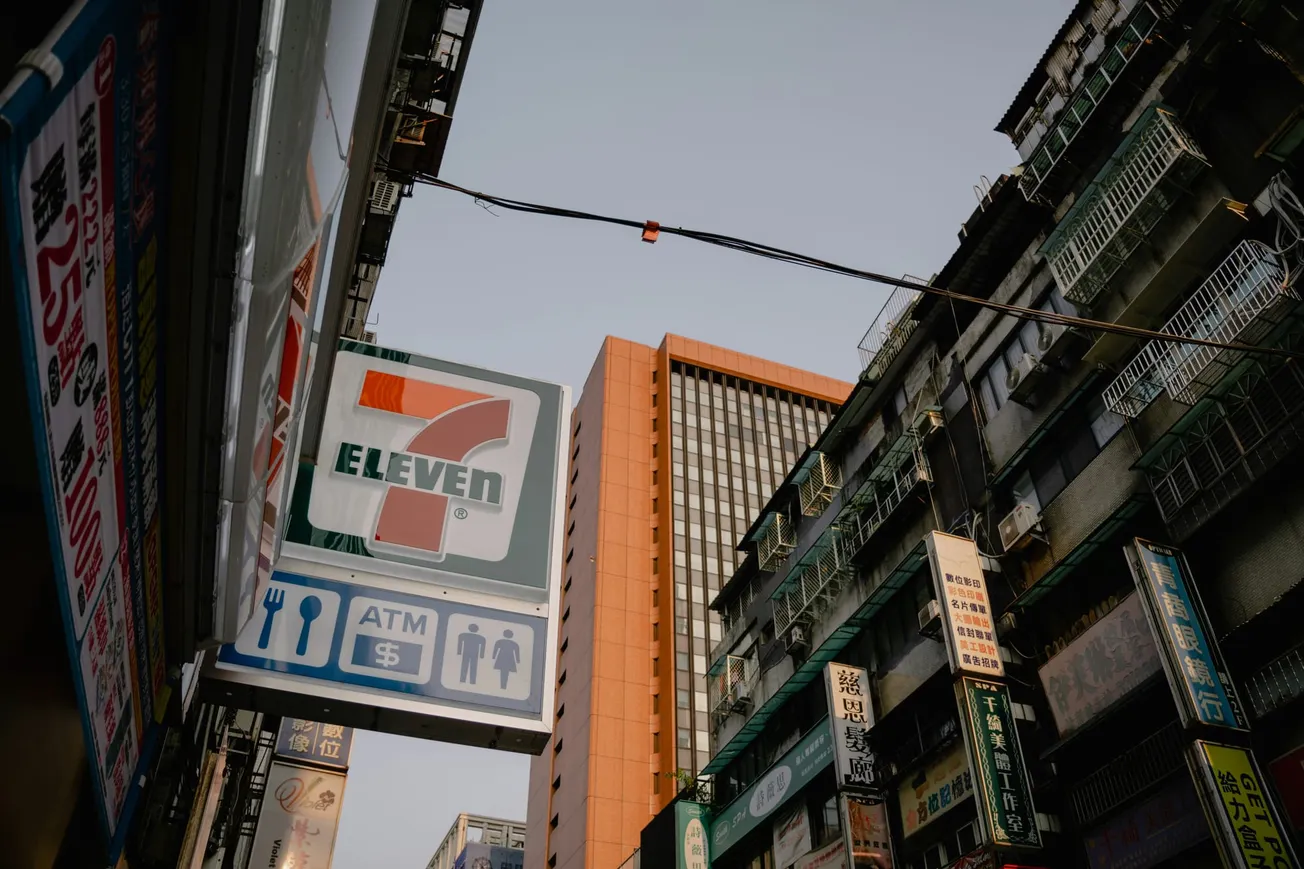
Seven & i Holdings, the Tokyo-based parent company of 7-Eleven, has announced plans to shutter more than 600 underperforming stores across the United States, Canada, and Mexico. This decision marks a significant shift in corporate strategy as the world’s largest convenience retailer navigates a complex macroeconomic environment characterized by persistent inflation, declining cigarette sales, and a notable shift in consumer purchasing patterns.
The move comes as the retail industry at large grapples with "pullback" behavior from middle- and low-income earners. According to recent financial reports and industry analysis from Chain Store Age, the convenience sector is facing a unique set of headwinds. While 7-Eleven has historically relied on high-frequency "fill-in" trips, the rise of omnichannel retail competition and digital delivery platforms has diluted the traditional convenience store moat.
Navigating Macroeconomic Headwinds and Shifting Demand
The North American retail landscape is currently defined by a cautious consumer base. Executives at Seven & i Holdings noted that inflationary pressures on basic goods have led shoppers to be more intentional with their spending. This has resulted in a decrease in foot traffic for non-essential items, which typically drive the high-margin "basket" for convenience operators.
Furthermore, the long-term decline in tobacco sales—a traditional cornerstone of the convenience store revenue model—has accelerated. As consumers shift toward alternative nicotine products or exit the category entirely, retailers like 7-Eleven must rethink their merchandising strategies to fill the resulting revenue gap. The closure of these 600-plus locations is viewed by market analysts as a necessary "right-sizing" of the physical footprint to ensure long-term profitability and operational efficiency.
Strategic Pivot to Foodservice and Digital Integration
Despite the closures, 7-Eleven is not in a state of permanent contraction. Instead, the company is pivoting toward a more robust foodservice offering and enhanced supply chain technology. By focusing on fresh food and proprietary beverage programs, the brand aims to transform its remaining locations into "food-forward" destinations that compete more directly with quick-service restaurants.
This strategy aligns with broader trends in Bentonville and global retail hubs, where the integration of digital and physical touchpoints is paramount. 7-Eleven has been investing heavily in its "7NOW" delivery app and loyalty programs to capture data on shopper behavior. By leveraging these insights, the company can optimize its inventory and merchandising at a localized level, ensuring that the right products are available for both in-store shoppers and last-mile delivery customers.
Impact on the Supply Chain and Retail Logistics
The consolidation of more than 600 storefronts will inevitably have ripple effects throughout the retail supply chain. For vendors and logistics partners, this necessitates a realignment of distribution routes and inventory management protocols. However, for a company of 7-Eleven’s scale, thinning the herd of underperforming assets often allows for a more concentrated investment in high-performing hubs.
Industry experts suggest that this move is a proactive response to the "omnichannel barrier" where physical proximity alone is no longer enough to guarantee a sale. Retailers must now offer a seamless blend of convenience, value, and experience. As 7-Eleven optimizes its North American portfolio, the focus will likely remain on technology-driven store formats that cater to the modern, mobile-first consumer.
Looking Ahead: Corporate Resilience and Market Positioning
This announcement also arrives amidst a backdrop of broader corporate maneuvering, including recent buyout interest from international competitors. By streamlining its North American operations, Seven & i Holdings is positioning itself as a leaner, more agile entity capable of defending its market share in an increasingly competitive global landscape.
For stakeholders in the retail and logistics sectors, the 7-Eleven closures serve as a case study in the importance of adaptability. In an era where shopper expectations evolve at the speed of technology, even the most established legacy brands must be willing to dismantle underperforming segments of their business to pave the way for future innovation and sustainable growth.
The emphasis now shifts to how the remaining 13,000-plus North American locations will integrate new foodservice and digital initiatives to reclaim growth in a post-inflationary market.
More about store closures:
 Staff Report
 Staff Report
 Staff Report