
Surging Fuel Costs Force Significant Shifts in Consumer Behavior
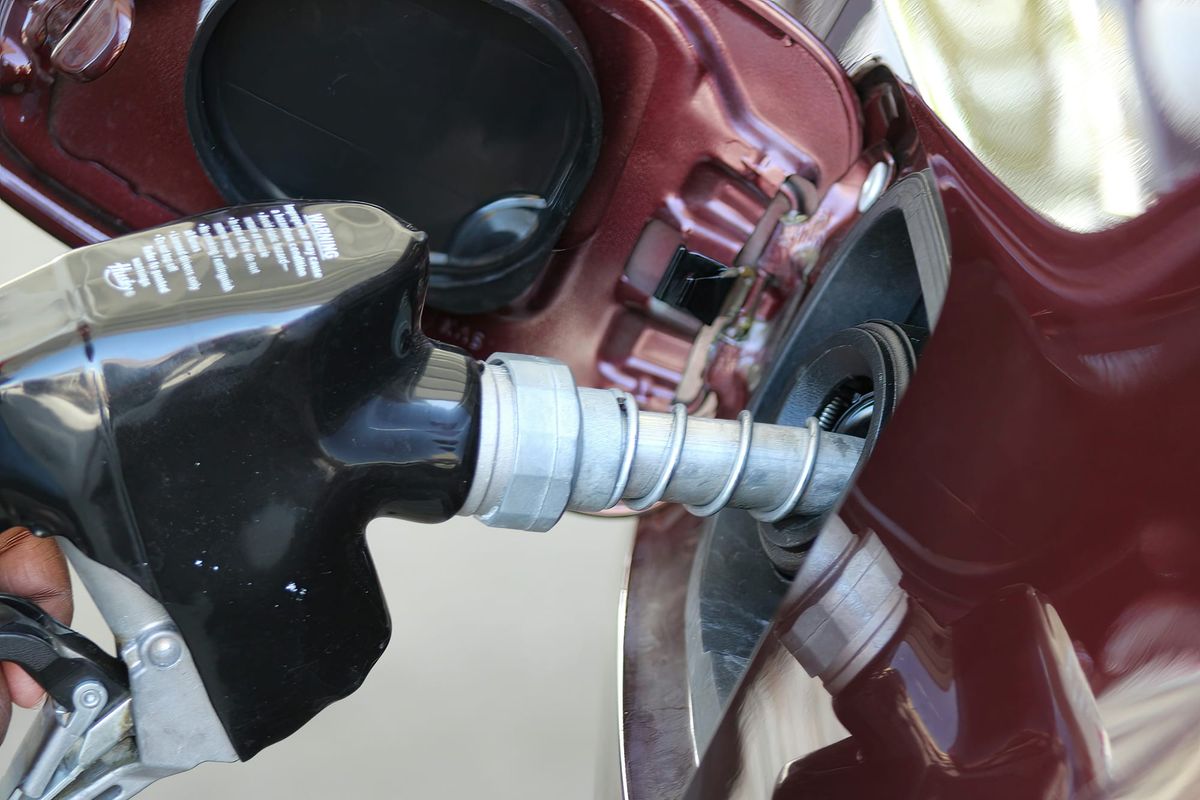
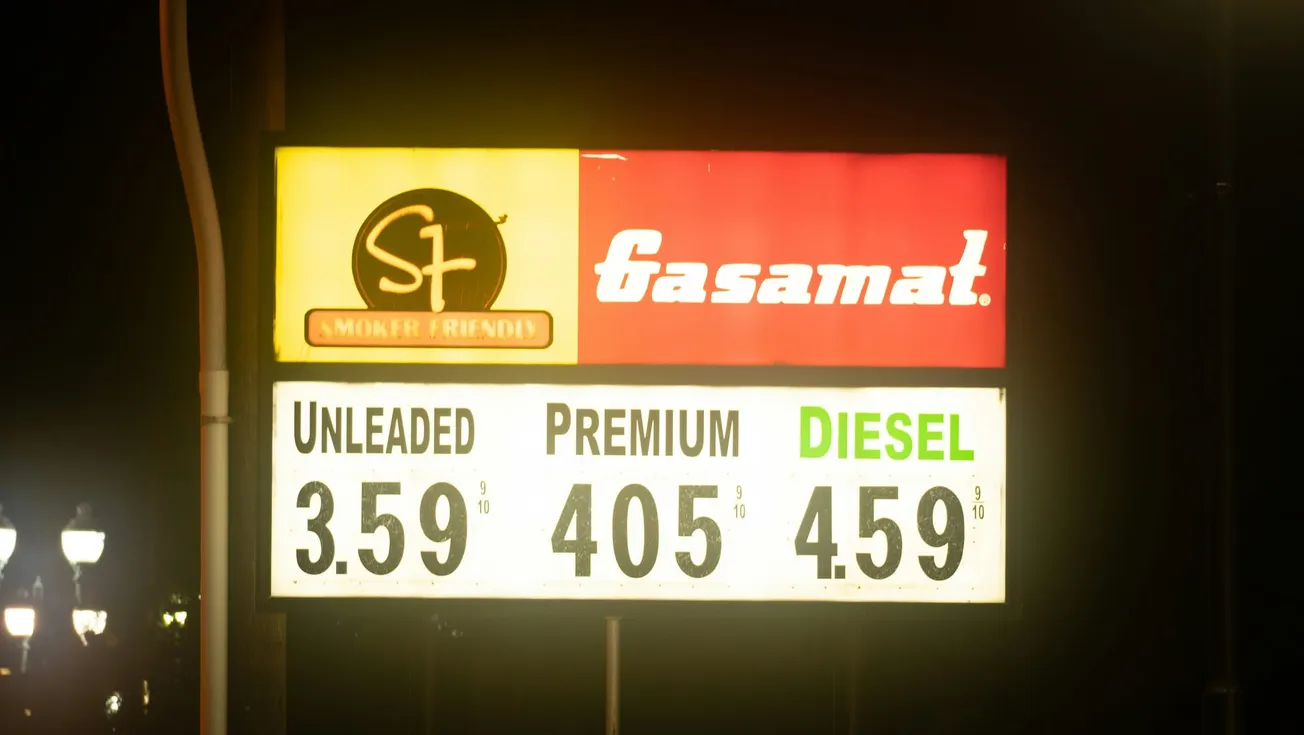
As the national average for regular gasoline hits $4.11 per gallon in mid-April 2026, a new report from consumer data firm Numerator highlights a growing crisis for the American household. According to the "Consumers React to Rising Gas Prices" survey, a staggering 73% of U.S. vehicle owners have already cut spending in other categories to compensate for the higher costs of commuting and daily travel.
This pullback is most pronounced in discretionary areas, with 43% of respondents reducing spending on dining out and 30% scaling back travel plans. However, the impact is bleeding into essential categories as well; approximately one-quarter of drivers report cutting back on groceries and household goods. For the omnichannel retail ecosystem—particularly in hubs like Bentonville where logistics and consumer foot traffic are intertwined—these findings signal a cooling of consumer sentiment that could impact second-quarter retail performance.
The New Playbook for Saving at the Pump
The Numerator data indicates that 93% of drivers are actively seeking new ways to save money on fuel. Rather than simply absorbing the cost, shoppers are leveraging a sophisticated mix of digital tools and behavioral changes to protect their disposable income.
The top methods identified for saving money at the pump include:
- Loyalty Programs and Apps (45%): Nearly half of all drivers are now using gas station-specific apps or retail loyalty programs (such as Walmart+ or Kroger Fuel Points) to shave cents off the gallon.
- Strategic Station Selection (36%): Drivers are increasingly ignoring convenience in favor of price, often driving further to reach a station with a lower advertised rate.
- Club Store Dominance (32%): Wholesale clubs like Sam’s Club and Costco are seeing increased traffic as members prioritize the significant fuel discounts offered by these retailers.
- Reduced Fill-ups (18%): Low-income households, in particular, are more likely to put less gas in the tank at a time rather than filling up completely, a tactic used to manage immediate cash flow.
Behavioral Shifts: Beyond the Pump
In addition to searching for the best prices, 78% of drivers are attempting to reduce their overall fuel consumption through "trip-chaining"—combining multiple errands into a single journey. This behavior is a direct challenge for retailers who rely on high-frequency "fill-in" trips. As consumers drive less overall (35%) and avoid non-essential shopping trips (31%), the "basket size" of each remaining visit becomes even more critical for store profitability.
Furthermore, the rise in fuel costs is accelerating interest in vehicle technology. Approximately 23% of drivers say they would consider purchasing a more fuel-efficient or alternative-energy vehicle if prices continue to climb, with hybrid models currently receiving the most consideration at 12%.
Implications for the Omnichannel Retail Center
For retail leaders and supply chain experts, these shifts represent a "cost-of-living" hurdle that requires a strategic response. As fuel prices impact the cost of delivery and last-mile logistics, retailers must find ways to maintain value without eroding margins.
The widespread adoption of loyalty apps suggests that the digital touchpoint is becoming the primary driver of physical location choice. Retailers who successfully integrate fuel rewards into their broader omnichannel ecosystem are more likely to retain "uncommitted" shoppers who are currently shopping across brands to maximize value.
As 64% of drivers anticipate that prices will continue to rise throughout the remainder of April, the retail sector must prepare for a prolonged period of "thrifty" consumer behavior. Whether through more aggressive promotion of private-label goods (like Great Value) or enhanced digital loyalty benefits, the goal for 2026 is clear: meeting the shopper where their budget is most constrained.
More about gas and oil:
 Staff Report
 Staff Report
 Staff Report