


Strategic Tax Planning in the OBBBA Era
Today is April 15, 2026, marking the federal tax deadline for sole proprietors, C-corporations, and single-member LLCs. For the small business community—the backbone of the Bentonville and global economy—this year is particularly significant. The full implementation of the One Big Beautiful Bill Act (OBBBA) has brought sweeping changes to the tax code, introducing permanent relief measures while shifting the landscape for credits and deductions.
As business leaders move from data collection to final filing, understanding these legislative shifts is critical for maintaining healthy cash flow and ensuring long-term corporate resilience. In an omnichannel environment where margins are under constant pressure from logistics and labor costs, strategic tax planning has become a vital component of the modern retail and service toolkit.
Key Deadlines and Filing Requirements
While today is the primary focus, the 2026 tax season has followed a multi-stage timeline. S-corporations and partnerships were required to file by March 16, 2026. For those who find themselves needing more time today, the IRS allows for a six-month extension—moving the final paperwork deadline to October 15, 2026.
However, it is a common point of confusion that an extension to file is not an extension to pay. Any estimated taxes owed must still be remitted by the end of today to avoid failure-to-pay penalties.
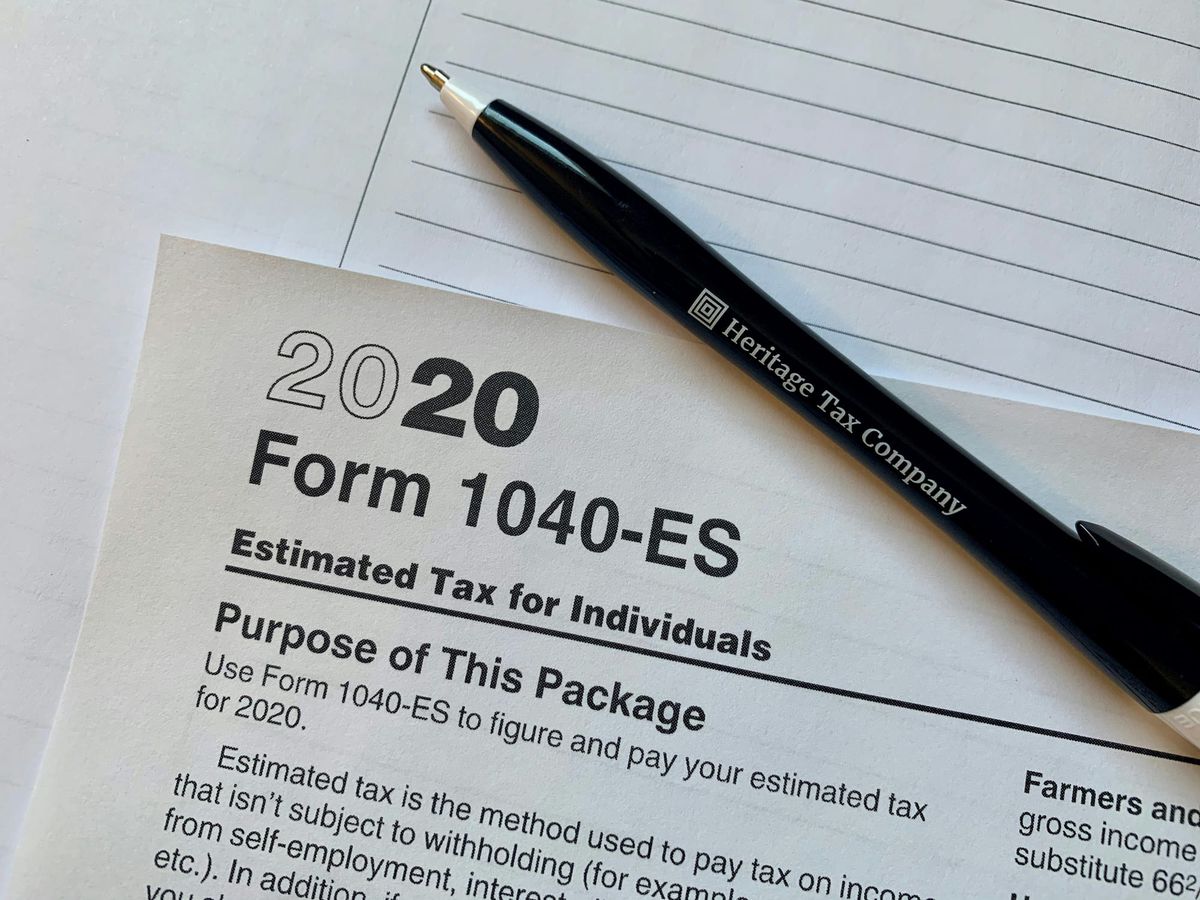
Additionally, today marks the deadline for the first quarter 2026 estimated tax payment. Managing these quarterly obligations is essential for startups and established small businesses alike to avoid a large, unexpected bill at the end of the fiscal year.
Major Changes Under the OBBBA
The OBBBA has reinstated and made permanent several provisions that were previously scheduled to sunset. These changes provide a level of predictability that has been missing from the tax code for nearly a decade.
- 20% QBI Deduction Permanency: The Qualified Business Income (QBI) deduction, which allows pass-through entities to deduct up to 20% of their business income, is now a permanent fixture. For 2026, the OBBBA has also raised the income phase-out thresholds, making it easier for high-earning service-based businesses to qualify.
- 100% Bonus Depreciation: Small businesses can once again take advantage of 100% immediate expensing for qualified property, such as machinery, technology, and certain vehicles, placed in service after January 19, 2025.
- Section 179 Expensing: The cap for Section 179 small business expensing has doubled to $2.5 million (indexed for inflation), allowing for the full deduction of equipment purchases in the year they are acquired.
- Enhanced Childcare Credits: To combat labor shortages, the credit for employer-provided childcare has increased to 40% of eligible costs (50% for eligible small businesses), with a maximum annual credit of $600,000.
Optimizing Deductions for the Modern Workforce
In the "Bentonville model" of retail and supply chain excellence, the workforce is the most valuable asset. The 2026 tax code recognizes this by offering expanded incentives for employee-related expenses. Businesses can now claim enhanced deductions for health insurance premiums, retirement plan contributions (including SEP IRAs and Solo 401(k)s), and continuing education.
The shift toward remote and hybrid work also maintains the relevance of the Home Office Deduction. To qualify for 2026, the workspace must have clearly defined boundaries and be the primary place where regular business is conducted. Small business owners should evaluate whether the simplified method ($5 per square foot up to 300 square feet) or the actual expense method yields a greater benefit based on their specific utility and rent costs.
Looking Ahead: Technology and Compliance
As the IRS continues its digital modernization, the use of technology in tax preparation has become non-negotiable. New reporting thresholds for 1099-K and 1099-NEC forms—now set at $2,000 for 2026—mean that small businesses must have robust accounting software to track payments to contractors and digital marketplace transactions.
For the entrepreneurial community, Tax Day is more than just a deadline; it is an annual audit of business health. By leveraging the permanent incentives provided by the OBBBA and staying disciplined with quarterly payments, small business owners can navigate the complexities of the 2026 tax landscape with the same strategic rigor they apply to their daily operations.
More about taxes:
 Staff Report
 Staff Report
 Staff Report