
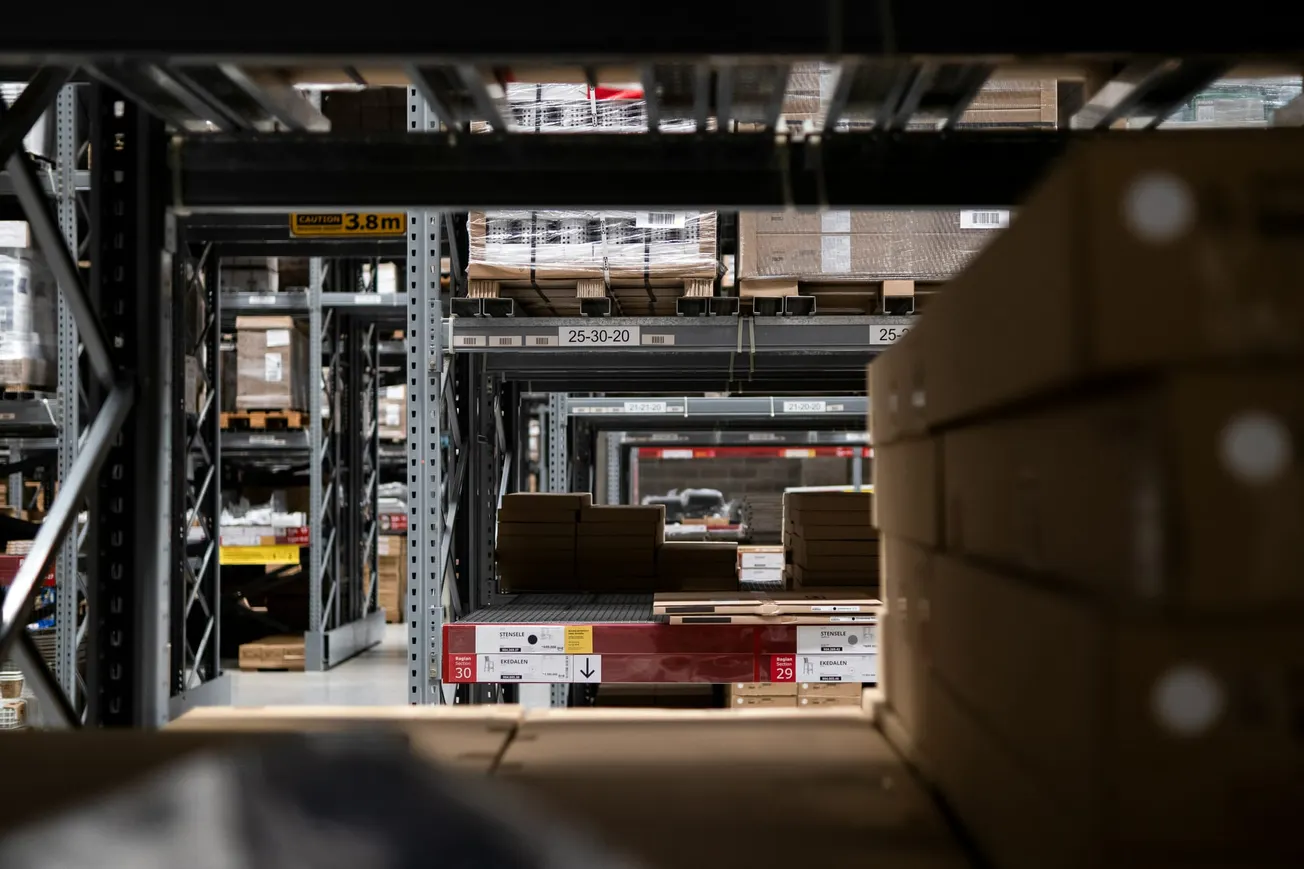
In a strategic move to overhaul its logistics framework, Target Corporation has officially opened its first-ever "Receive Center" in Houston, Texas. The 1.2 million-square-foot facility marks a departure from traditional distribution models, introducing a specialized node in the supply chain designed to intake goods directly from global vendors.
For the retail community in Bentonville and beyond, this development represents a significant step in the maturation of omnichannel fulfillment, focusing on upstream flexibility and inventory precision.
A New Strategic Layer in Logistics
The Houston Receive Center is engineered to serve as a high-capacity buffer between global suppliers and the rest of Target’s distribution network. Unlike a standard Regional Distribution Center (RDC) that services specific stores, the Receive Center acts as a centralized intake point. It holds merchandise until downstream demand—driven by both in-store and digital guest orders—becomes clear.
By positioning this facility between its coastal import warehouses in Georgia and Washington, Target has created a strategic inland "valve" to regulate the flow of inventory. According to Target Corporation, this allows the retailer to secure high-demand products and seasonal items earlier in the year without overcrowding store backrooms or RDC racking. This capability is particularly vital for bulky products and items with long lead times, ensuring that the omnichannel journey remains uninterrupted by out-of-stock events.
Innovation Through Extended Reality
Perhaps as notable as the facility’s function is the method of its creation. The Houston site is the first Target facility designed from end-to-end using immersive 3D visualization and simulation technology. Developed at the company’s XR Experience Center in Minneapolis, the design process utilized virtual reality (VR) to pressure-test the layout and operational flow before a single brick was laid.
This "digital twin" approach allowed supply chain teams to identify potential bottlenecks in the virtual environment, significantly reducing costly construction changes and ensuring the facility was optimized for peak efficiency from day one. The center features a first-of-its-kind sorter for the company—two independent line sorters that maximize throughput while minimizing the physical footprint. This blend of virtual design and physical automation underscores the increasing role of technology in overcoming traditional retail barriers.
Strengthening Regional and Global Ecosystems
The $265 million investment in the Houston region is a clear signal of Target’s commitment to scaling its infrastructure to meet 2026 growth targets. The facility is expected to service six regional distribution centers and one flow center, creating a more resilient web of support for the company’s nearly 2,000 stores.
For industry professionals, this move highlights a broader trend: the transition from "just-in-time" to "just-in-case" inventory strategies, supported by smarter data. By holding inventory further back in the supply chain, Target gains the agility to pivot shipments based on regional trends, reducing transportation costs and the carbon footprint associated with long-distance transboarding. This aligns with a wider industry push toward "regeneration"—optimizing resources to reduce waste while improving service levels.
The Impact on the Retail Landscape
As omnichannel retail continues to evolve, the distinction between a warehouse and a retail support center is blurring. The opening of the Houston Receive Center demonstrates that successful modern retailing requires an ecosystem that connects global vendor inputs with localized consumer demand with surgical precision.
As other major retailers, including those headquartered in Northwest Arkansas, continue to refine their own automated fulfillment networks, the Houston project serves as a case study in how technological innovation can demystify complex logistics.
The focus remains on the guest: by building a more reliable upstream supply chain, Target ensures that the products shoppers want are available whenever and wherever they choose to engage with the brand.
More about Target:
 Staff Report
 Staff Report
 Staff Report