

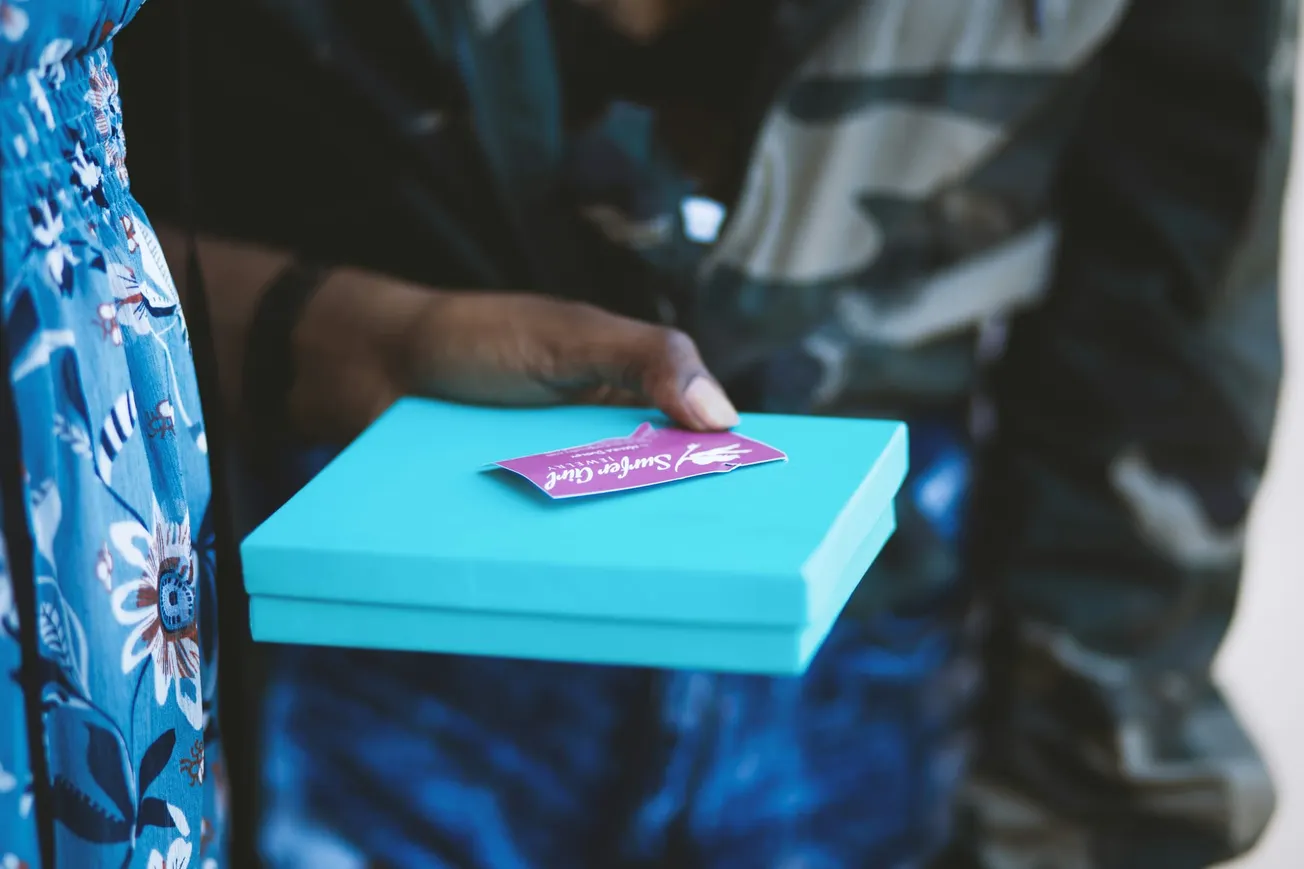
The perception of gift cards is shifting from a last-minute convenience to a sophisticated driver of corporate strategy and consumer engagement. According to a new report released by The Strawhecker Group (TSG) and Bank of America, the gift card market is experiencing a significant surge in 2026, driven by digital integration and a fundamental change in how shoppers interact with brands.
For the retail and marketing experts in Bentonville, this trend highlights a critical opportunity to leverage "branded currency" within the omnichannel ecosystem.
Beyond the Physical Card: The Digital Shift
The 2026 Gift Card Report indicates that digital gift cards, or e-gifts, are outpacing physical cards in growth rate. This transition is fueled by the demand for instant gratification and the seamless integration of digital wallets. Consumers are increasingly utilizing gift cards as a personal budgeting tool or a secure way to shop online without sharing primary credit card information.
As retailers continue to demystify the omnichannel journey, the digital gift card has emerged as a vital bridge. It allows for immediate delivery via email or SMS, providing a touchpoint that is both convenient and data-rich. This shift enables brands to track the lifecycle of a gift card more accurately—from the moment of purchase to the final redemption—providing valuable insights into shopper behavior and seasonal trends.
Driving Customer Acquisition and Higher Average Order Value
One of the most compelling findings in the TSG and Bank of America research is the "overspend" phenomenon. On average, consumers spend significantly more than the face value of the gift card when redeeming it. This makes gift cards a powerful engine for increasing Average Order Value (AOV). For large-scale retailers and vendors, the gift card acts as a high-conversion entry point for new customers who might not have otherwise engaged with the brand.
Furthermore, the report highlights that gift cards are increasingly used in B2B contexts, such as corporate incentive programs and customer loyalty rewards. By integrating gift card options into loyalty apps, retailers can encourage repeat visits and foster long-term brand affinity. This strategic use of branded currency helps overcome traditional retail barriers by providing a low-friction way for customers to return to a store or platform.
Technological Integration and Security
As gift card volume grows, so does the focus on security and technological infrastructure. The 2026 landscape is characterized by a push toward enhanced fraud prevention measures and real-time balance tracking. Leading retailers are investing in robust API integrations that allow gift cards to be used interchangeably across physical stores, mobile apps, and third-party delivery platforms.
The ability to manage these transactions at scale is a testament to the logistics and technology prowess found in global retail centers like Bentonville. By coordinating with experts in fintech and cybersecurity, retailers are ensuring that the gift card experience remains secure and reliable for the consumer, thereby protecting the brand’s reputation and the retailer's bottom line.
Future Outlook: Gift Cards as a Marketing Powerhouse
Looking ahead, the role of gift cards in promotional strategy is expected to expand. "Gift with purchase" models and targeted digital distributions are becoming standard tools in the shopper marketing toolkit. These initiatives not only drive immediate sales but also help clear inventory and introduce new product lines to a curated audience.
The momentum identified by TSG and Bank of America suggests that the gift card market is far from reaching a plateau. Instead, it is evolving into a versatile financial and marketing instrument.
For industry leaders, the mission is clear: continue to innovate within the gift card space to meet the evolving expectations of the modern, omni-channel shopper, ensuring that every touchpoint—whether physical or digital—adds value to the overall experience.
More about cards:
 Staff Report
 Nathan Sellars
 Staff Report