The global oil market has entered a period of significant volatility in April 2026, with Brent crude oil prices surging toward a peak of $115 per barrel. These energy shifts represent more than just a fluctuation at the pump; they are a catalyst for a strategic overhaul of supply chain management and omnichannel retail operations.
As transportation costs climb and consumer spending power is squeezed, industry leaders are leveraging technology and data-driven insights to maintain operational discipline and retail resilience.
Impact on Global Logistics and Shipping
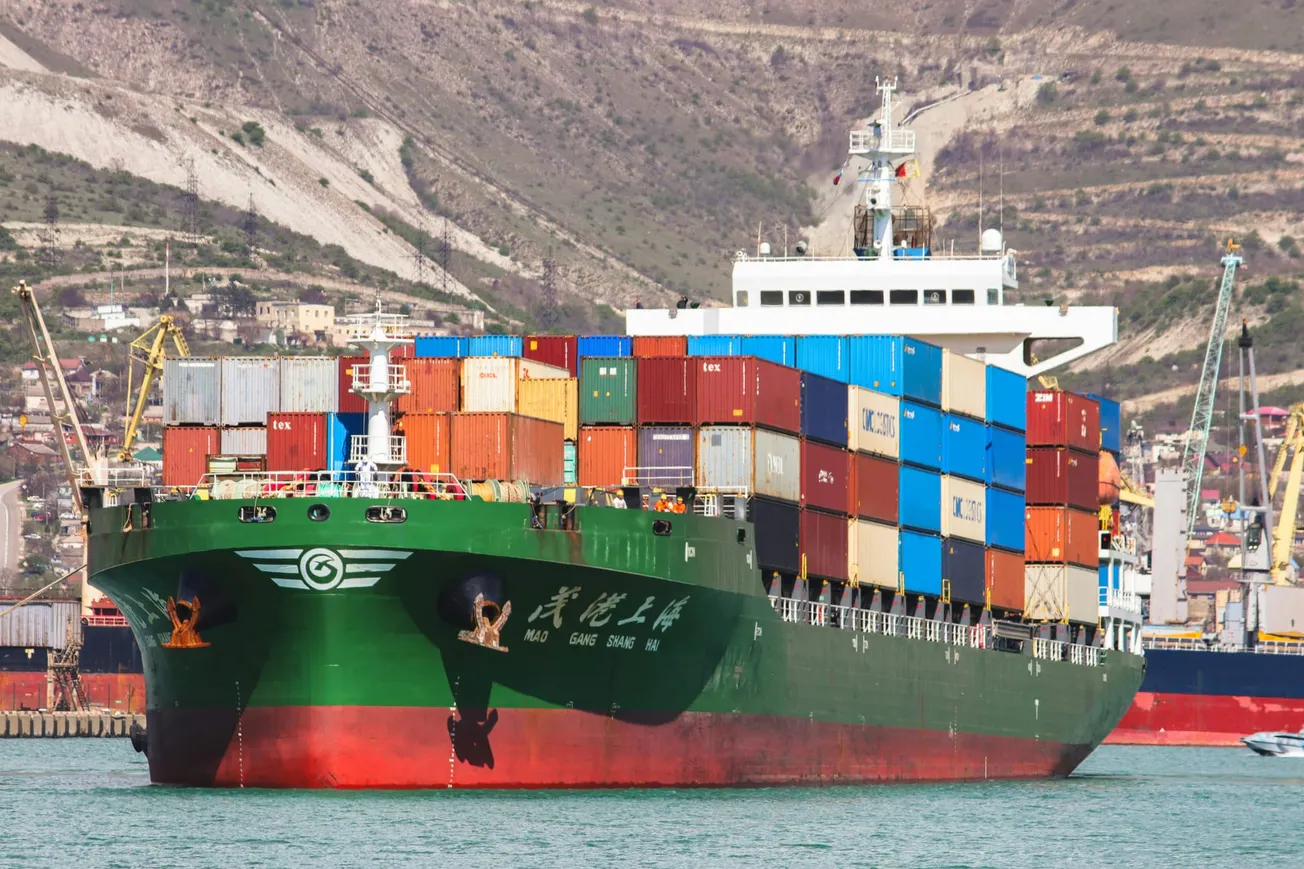
The immediate ripple effect of rising crude prices is felt most acutely in the logistics sector. According to recent data, domestic trucking costs in the United States surged by nearly 50% over a five-week period ending in late April 2026. Ocean transportation rates have also seen a steady climb of up to 17% as shipping lanes face capacity constraints and increased fuel surcharges.
The "energy shock" is forcing a re-evaluation of long-haul strategies. Small wholesalers reported that inventory-related costs surged by over 60% year-over-year in March, marking the sharpest monthly gain in years.
These rising overheads are prompting a shift toward more efficient routing and the acceleration of electric vehicle (EV) integration within last-mile delivery fleets to mitigate the long-term risk of fossil fuel volatility.
Shifting Omnichannel Shopper Behaviors
As gasoline prices impact the median household budget—with some estimates suggesting a $70 monthly increase in fuel spending for two-driver households—consumer behavior is pivoting. The omnichannel landscape is seeing a "value-seeking" trend where shoppers increasingly prioritize price and convenience.
Research from April 2026 indicates that while physical stores remain vital for product discovery, approximately 65% of shoppers now prefer online marketplaces for better pricing and easy comparisons.
This "webrooming" behavior—researching online before buying in-store—is putting pressure on retailers to ensure that digital touchpoints provide transparent, real-time pricing and inventory data. For brands in the Bentonville ecosystem, maintaining a seamless connection between the digital shelf and the physical store is no longer optional; it is a defensive strategy against decreased discretionary spending.
Corporate Strategy and Market Outlook
The U.S. Energy Information Administration (EIA) notes that while production disruptions in the Middle East have tightened global inventories, the industry is bracing for a prolonged adjustment period. Strategic Petroleum Reserve releases and shifts in OPEC+ production targets are being closely monitored by corporate strategists to forecast margin expansion or contraction through the second half of 2026.
Retail executives are responding with "financial fortitude," focusing on margin management and cost discipline. This includes reimagining marketing strategies to emphasize value and loyalty programs that reward repeat purchases. By integrating advanced AI and supply chain technology, firms are attempting to build more resilient networks that can withstand the unreliability of global energy markets.
As Bentonville continues to serve as the global hub for omnichannel retail, the current oil crisis serves as a reminder of the interconnectedness of energy, logistics, and the consumer journey. The ability to adapt to these macroeconomic pressures will define the leaders of the next retail era.