In a significant move for global logistics and corporate strategy, industry leaders FedEx and UPS have formally committed to passing government-mandated tariff refunds directly back to their customer base.
This decision comes following a period of intensive legal and regulatory discussions regarding trade duties and the financial responsibilities of third-party logistics providers.
For the retail and supply chain ecosystem, this announcement underscores a growing emphasis on transparency and cost-mitigation in international trade.
A Commitment to Customer Transparency
The vow from these two logistics powerhouses stems from successful litigation and administrative challenges regarding overpaid duties on imported goods. Historically, when logistics providers secure refunds for tariffs previously paid to the government, the distribution of those funds has been a point of contention.
By proactively announcing a "pass-through" strategy, FedEx and UPS are signaling a shift toward more collaborative customer relationships.
The move is intended to ensure that the businesses and individual shippers who ultimately bore the cost of the tariffs are the ones who benefit from the recovery.
Navigating Global Trade Volatility
The decision to return these funds arrives during a complex era for global trade. Changes in administration and shifting international relations have led to a fluctuating tariff environment. As federal trade policies evolve, the administrative burden on supply chain leaders to track, pay, and dispute these fees has increased.
For the omnichannel retail sector, where margins are often thin, the recovery of these costs can have a measurable impact on the bottom line. By automating the refund process and ensuring clear communication, the carriers are helping to demystify the often-opaque world of customs and border protection duties. This transparency is critical for retailers who must plan pricing and inventory strategies months in advance without the threat of unexpected trade-related overhead.
Impact on Retail and Vendor Ecosystems
The ripple effects of this decision will be felt throughout the supply chain. Small-to-medium enterprises (SMEs) and large-scale vendors alike often integrate tariff costs into their wholesale pricing. The return of these funds allows for a potential recalibration of costs, which could eventually influence retail pricing on the shelf—whether physical or digital.
Industry experts note that this level of corporate accountability is becoming a requirement for maintaining long-term partnerships. In the Bentonville retail hub, where efficiency and cost-savings are paramount, the ability to recover these funds reinforces the stability of the local ecosystem. It allows leaders to focus on innovation and omnichannel expansion rather than getting bogged down in protracted financial disputes over historical duty payments.
Strategic Leadership in Logistics
This move by FedEx and UPS also serves as a strategic differentiator in a highly competitive logistics market. As businesses evaluate their shipping partners, factors like ethical financial practices and proactive refund management are becoming as important as transit times and delivery rates.
 Staff Report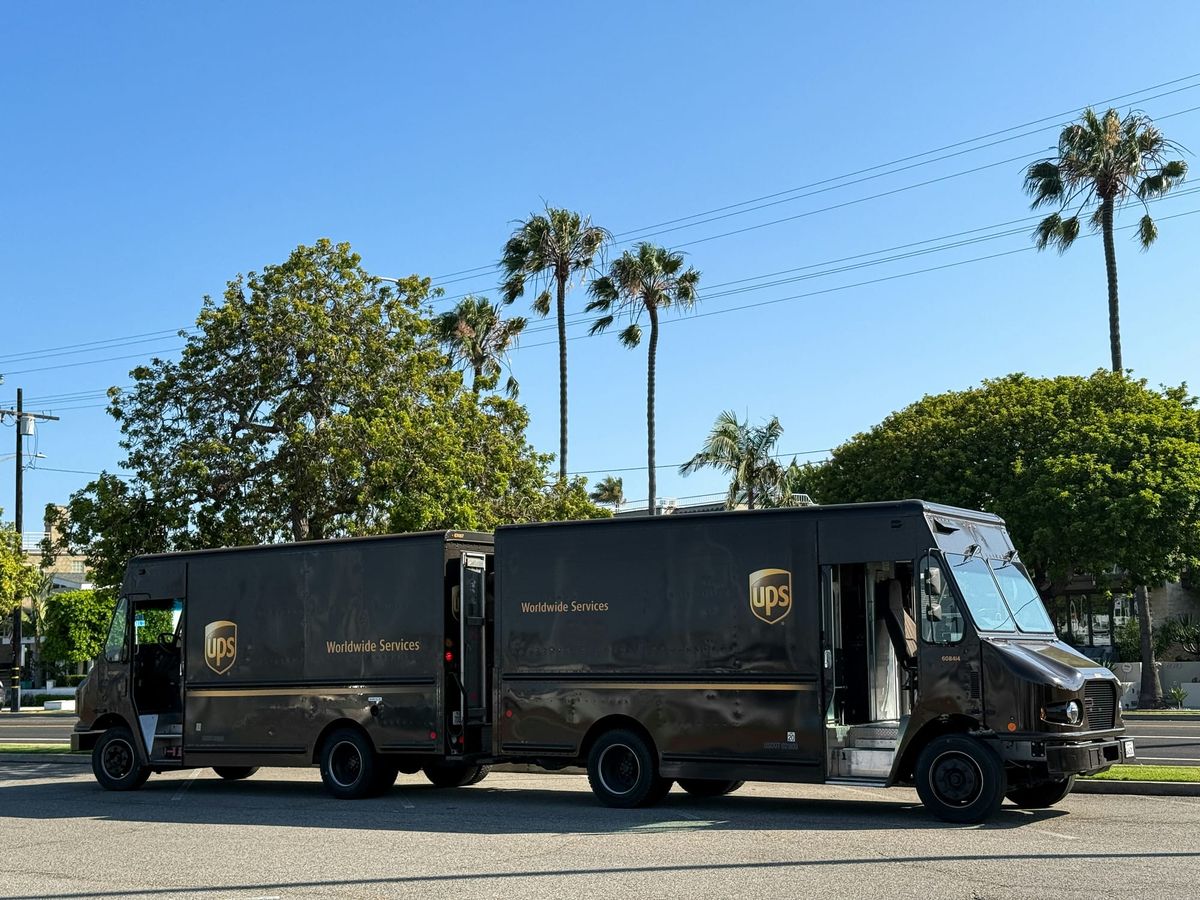
By taking a lead on this issue, the carriers are setting a precedent for the broader industry, including freight forwarders and regional logistics firms.
As the retail landscape continues to navigate the complexities of global sourcing, the commitment to returning tariff refunds provides a blueprint for how large-scale service providers can support their clients through regulatory shifts. This alignment between government policy, logistics execution, and customer benefit is a vital component of a resilient and responsive modern supply chain.