
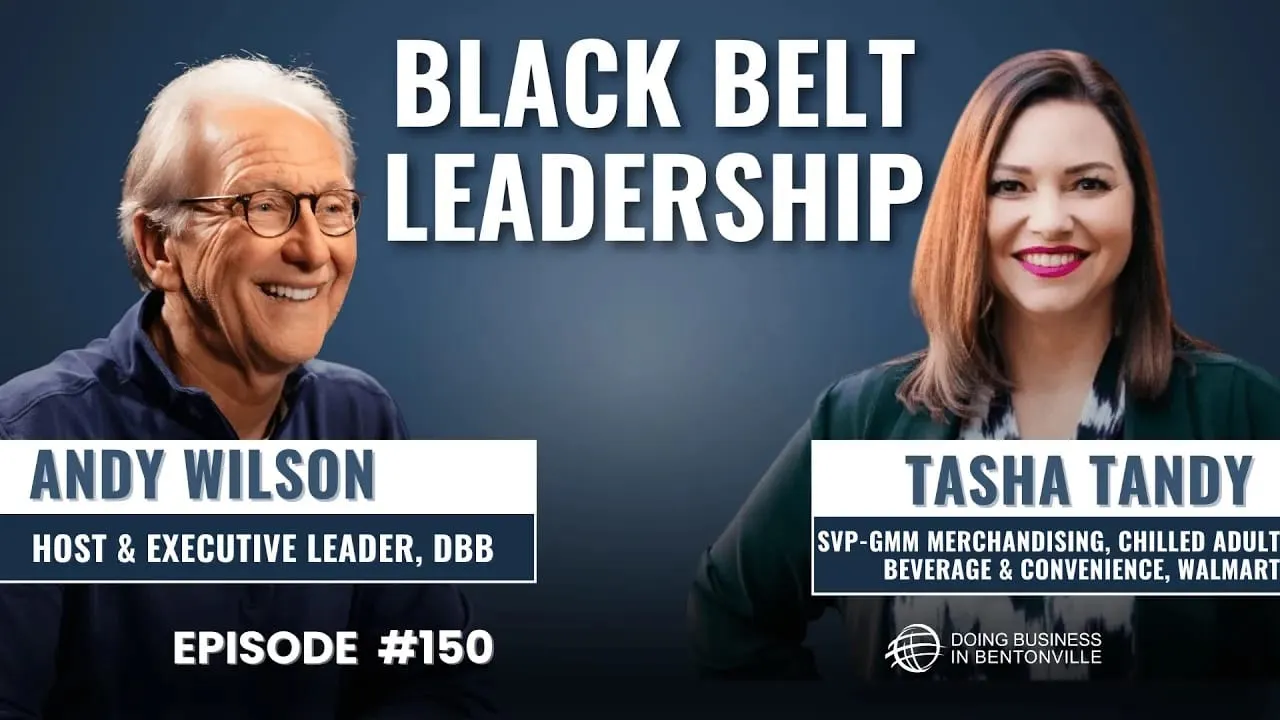
Profitability in grocery retail isn't built on a whiteboard; it is won or lost in the margins of everyday execution. Scaling categories to fit a multi-billion-dollar footprint means solving immediate customer problems before they become massive supply bottlenecks. In this episode, we sit down with Tasha Tandy, Vice President of Merchandising for Breakfast, Baking, and Commodities at Walmart, to pull back the curtain on what it actually takes to feed millions of families while maintaining price leadership.
We get into the operational realities of transitioning a traditional brick-and-mortar giant into an agile e-commerce power. Tasha walks us through the complexities of dual-sourcing staple commodities like sugar and flour, navigating global supply shocks in the coffee market, and managing heavy-volume logistics during seasonal spikes. She also shares a unique perspective on running massive corporate categories with the mindset of a agile small business owner, revealing how two-thirds of Walmart's massive supplier base is actually made up of small businesses.
The reality of high-volume merchandising means dealing with constant cost accounting pressures, managing complex grocery waste, and making strict trade-offs in time management using a rigid prioritization grid. Viewers will walk away with a functional understanding of how to pitch products for a digital shelf versus a physical store footprint, and why true product innovation must always precede channel selection.
If you care about retail distribution, global supply chains, and consumer product innovation, you’ll get a lot from this conversation. Be sure to subscribe for more boots-on-the-ground retail insights and share this episode with your team.
What is the biggest operational hurdle your business is currently working to overcome on the digital shelf? Let us know in the comments below.