
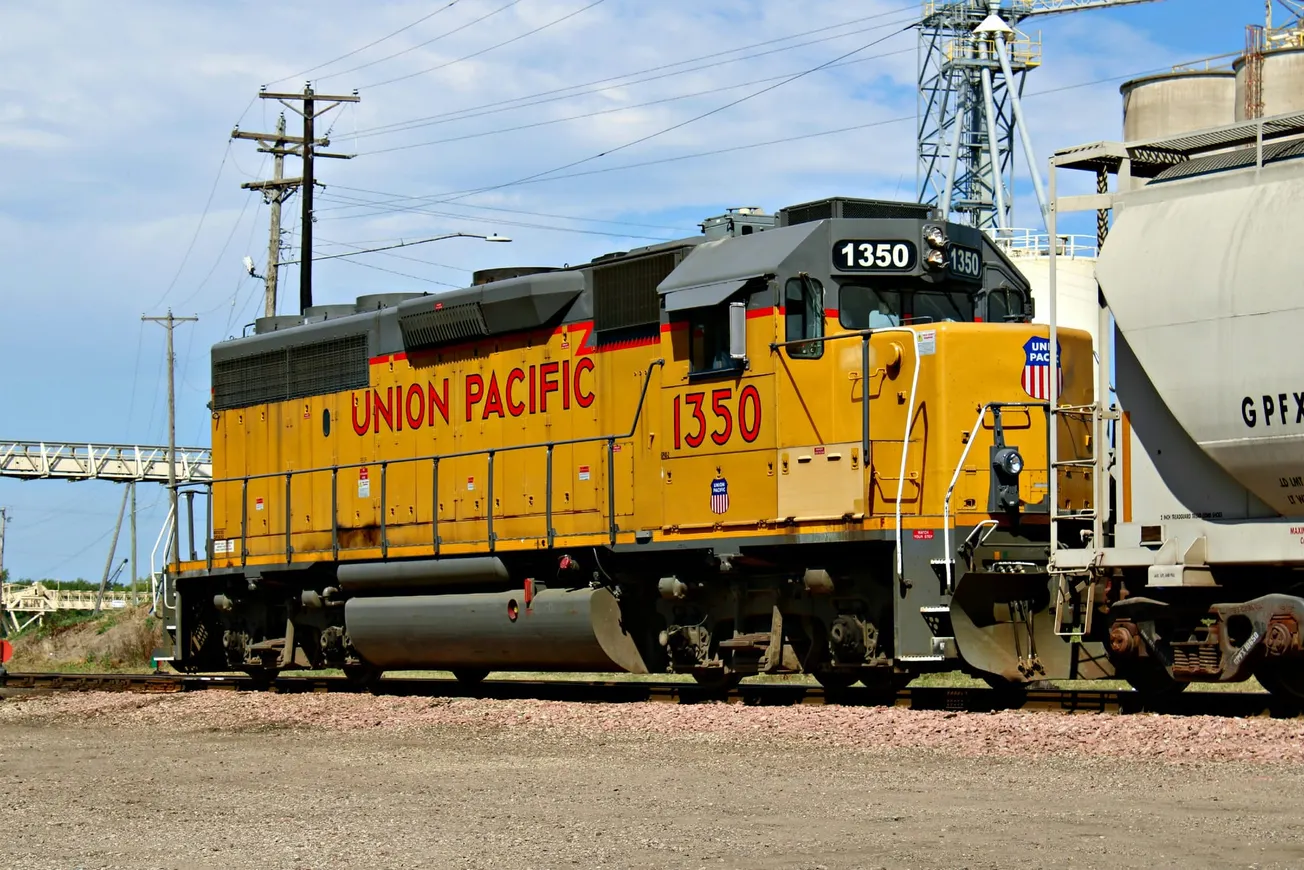
Union Pacific Railroad has reached a landmark seven-year contract with its longtime supplier, Rocky Mountain Steel Mills, effectively ending a high-stakes legal dispute in Nebraska. The agreement ensures that Union Pacific will continue to source the majority of its steel rail from the Pueblo, Colorado-based manufacturer, which remains the only dedicated steel rail mill in the United States.
This partnership renewal comes at a pivotal moment for the transportation giant as it pursues a transformative merger with Norfolk Southern to create North America’s first transcontinental railroad.
Resolving Litigation to Secure Domestic Supply
The settlement concludes a lawsuit filed by Union Pacific last year against Rocky Mountain Steel’s parent company, Orion Steel. While specific financial terms of the deal remain confidential, the strategic implications are clear: Union Pacific is prioritizing supply chain resilience by locking in domestic production.
The agreement underscores a commitment to the "historic steel community in Pueblo" and the skilled labor force of the United Steelworkers (USW), ensuring that critical infrastructure materials are produced within the United States.
Jim Vena, CEO of Union Pacific, characterized the agreement as a significant step forward for the company’s focus on safety and reliability. By securing a stable source of high-quality rail, Union Pacific is better positioned to maintain its 32,000-mile network, particularly as it prepares for the potential operational complexities of a coast-to-coast merger.
The deal reinforces a relationship that dates back to the 1890s, highlighting the deep industrial roots that continue to power the American West.
Innovation in Rail: The Move to Long-Rail Technology
A centerpiece of this new contract is the integration of Rocky Mountain Steel’s new long-rail mill, which was funded by a $1 billion investment. This state-of-the-art facility is designed to produce 100-meter (328-foot) lengths of premium rail. Historically, standard rails were produced in 80-foot sections, requiring frequent welds that created potential points of failure and increased maintenance costs.
The move to long-rail technology offers a staggering 80% reduction in the number of welds required for track installation. This shift is a game-changer for supply chain efficiency and track safety.
For logistics professionals and stakeholders in the Bentonville hub, this technological advancement translates to fewer service disruptions and a more durable rail network capable of handling the heavy tonnage of modern intermodal freight. Furthermore, the new mill is powered by a dedicated 1,800-acre solar farm, positioning it as one of the most sustainable steel production facilities globally.
Strategic Alignment with Transcontinental Merger Goals
The timing of this settlement is strategically aligned with Union Pacific’s broader corporate strategy. As the company seeks regulatory approval from the Surface Transportation Board (STB) for its merger with Norfolk Southern, demonstrating a robust and reliable domestic supply chain is critical. The proposed transcontinental network would cover approximately 50,000 route miles, and the ability to source premium, long-length rail from a single domestic supplier provides a significant competitive advantage.
Industry analysts suggest that the merger’s success depends on the railroads' ability to prove that a single-line service will be more efficient and safer than the current fragmented system. By partnering with a technologically advanced supplier like Rocky Mountain Steel, Union Pacific is signaling to regulators and customers alike that it is investing in the future of rail safety.
The integration of sustainable manufacturing practices at the Pueblo mill also aligns with the growing demand for "green" logistics in the retail and manufacturing sectors.
Implications for the Global and Local Economy
The seven-year agreement provides much-needed industrial stability in a volatile global economy. For the Rocky Mountain region, the contract ensures the continued operation of a critical manufacturing hub and supports thousands of domestic jobs.
For the broader supply chain, particularly for major retailers who rely on rail for bulk inventory movement, the settlement reduces the risk of material shortages that could delay infrastructure upgrades.
As the retail landscape becomes increasingly omnichannel, the reliability of the "middle mile"—the long-haul transport between ports and distribution centers—is more important than ever. Union Pacific’s decision to move past legal hurdles and invest in a long-term supplier relationship reflects a leadership philosophy focused on long-term resilience over short-term litigation gains.
This move secures the physical foundation upon which the future of American freight transportation will be built.
More about freight:
 Staff Report
 Nathan Sellars
 Staff Report