

The Coca-Cola Company has raised its full-year organic sales and profit forecasts for 2026, signaling robust consumer resilience despite ongoing global inflationary pressures.
In its first-quarter earnings report released today, the beverage giant attributed its success to a combination of effective pricing strategies and a significant rebound in "away-from-home" consumption channels, such as theaters, stadiums, and restaurants. This financial upswing highlights the company’s ability to navigate a complex global supply chain while maintaining brand loyalty across diverse demographics.
Strategic Pricing and Volume Growth
Coca-Cola now expects full-year organic sales growth of 8% to 9%, up from its previous projection of 6% to 7%. The company also boosted its comparable currency-neutral earnings per share growth forecast to a range of 13% to 15%. These adjustments come on the back of a first quarter where net revenue grew by 3%, reaching approximately $11.3 billion.
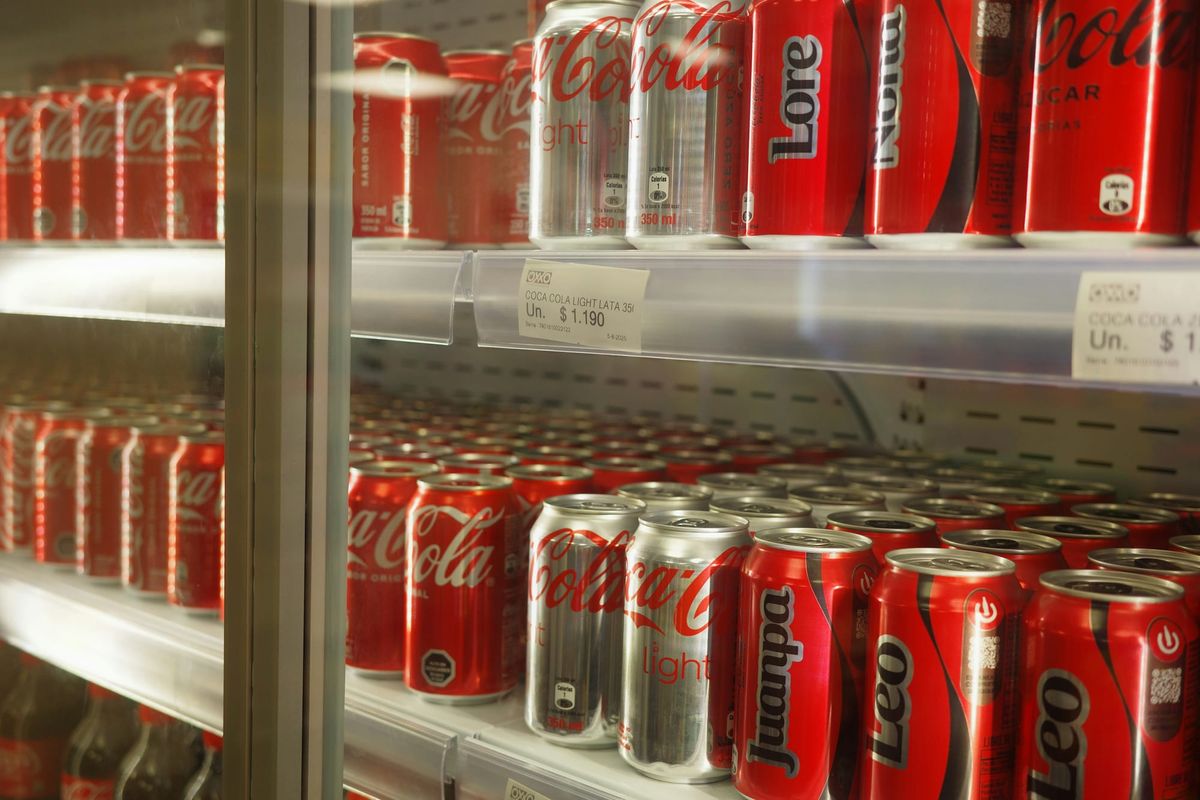
A key driver of this performance has been the company’s "Revenue Growth Management" strategy. By utilizing advanced data analytics to tailor packaging sizes and price points to specific markets—such as offering smaller, more affordable cans in emerging markets while focusing on premium glass bottles in developed regions—Coca-Cola has managed to grow its price/mix by 13%.
Crucially, this pricing power has not significantly eroded unit case volumes, which grew by 1% globally, led by strong performance in Latin America and the Asia-Pacific region.
Navigating Global Volatility and Supply Chain Resilience
While North American volumes remained relatively flat, the company saw high-single-digit growth in international markets. This geographic diversification is a cornerstone of Coca-Cola’s corporate strategy, allowing it to offset localized economic downturns with growth in other regions. However, the company continues to face headwinds from a "higher-for-longer" interest rate environment and currency fluctuations, which are expected to impact full-year earnings by approximately 8%.
James Quincey, Chairman and CEO of Coca-Cola, noted during the earnings call that the company is leaning heavily into digital transformation and supply chain optimization to mitigate these risks. By integrating AI-driven demand forecasting, the company has improved its inventory turnover and reduced waste within its bottling network. For retail stakeholders in hubs like Bentonville, Coca-Cola’s performance serves as a primary indicator of the health of the consumer packaged goods (CPG) sector, suggesting that shoppers are still willing to prioritize "affordable luxuries" and established brands.
Marketing Innovation and Product Diversification
Coca-Cola’s marketing efforts have also pivoted to meet the needs of the modern omnichannel shopper. The company has increased its investment in digital experiences and social media activations, particularly around major global events like the upcoming FIFA World Cup 2026. This marketing agility is paired with a focus on product diversification, including the expansion of sugar-free options and the "Coke Creations" limited-edition lineup, which uses experimental flavors to engage Gen Z consumers.
The company’s ability to maintain a dominant share in the sparkling soft drink category while simultaneously growing its still beverage and hydration portfolio (including brands like Topo Chico and BodyArmor) underscores a sophisticated leadership approach. As the retail landscape becomes increasingly competitive, Coca-Cola is positioning itself not just as a beverage company, but as a total beverage partner for retailers, providing insights into shopper behavior that drive mutual growth.
Future Outlook for the Beverage Sector
As 2026 progresses, Coca-Cola’s upgraded outlook provides a measure of optimism for the broader retail ecosystem. It demonstrates that strategic brand investment and operational discipline can overcome macroeconomic volatility. For supply chain and logistics professionals, the focus will remain on maintaining the agility needed to support a global distribution network that is increasingly influenced by real-time digital demand.
The company's raised forecast is a testament to the enduring power of its brand and the effectiveness of its integrated business model. By balancing global scale with local execution, Coca-Cola continues to set the pace for the industry, ensuring its products remain a staple of the shopper journey in every corner of the world.
More about Coca-Cola:
 Staff Report
 Staff Report
 Staff Report