
The geopolitical landscape of global energy was upended today as the United Arab Emirates (UAE) announced its formal withdrawal from the Organization of the Petroleum Exporting Countries (OPEC) and the wider OPEC+ alliance.
Effective May 1, 2026, the move ends nearly six decades of participation for the federation, signaling a major shift in corporate and national strategy for one of the world's most influential oil producers. The decision comes at a volatile moment, with the ongoing war in Iran causing historic supply shocks and destabilizing traditional logistics routes through the Strait of Hormuz.
Strategic Autonomy and National Interest
The UAE Ministry of Energy stated that the decision followed a "comprehensive review" of its production policy and long-term economic vision. Historically, the UAE has chafed under OPEC’s production quotas, which Abu Dhabi argued did not reflect its true capacity following billions of dollars in recent infrastructure investment.
By exiting the cartel, the UAE gains the "flexibility" to respond to market dynamics independently, a move that analysts suggest could eventually bring an additional 1 million barrels per day to the global market once regional hostilities subside.
This "UAExit" is viewed by industry experts as a pivot toward a more agile, technology-driven energy profile. While the UAE has pledged to act "responsibly" and bring production to market in a "gradual and measured manner," the move represents a clear break from the coordinated supply management led by Saudi Arabia. For global supply chains and retail stakeholders, this shift introduces a new variable in fuel cost forecasting and energy security.
The Iran Conflict and Logistics Constraints
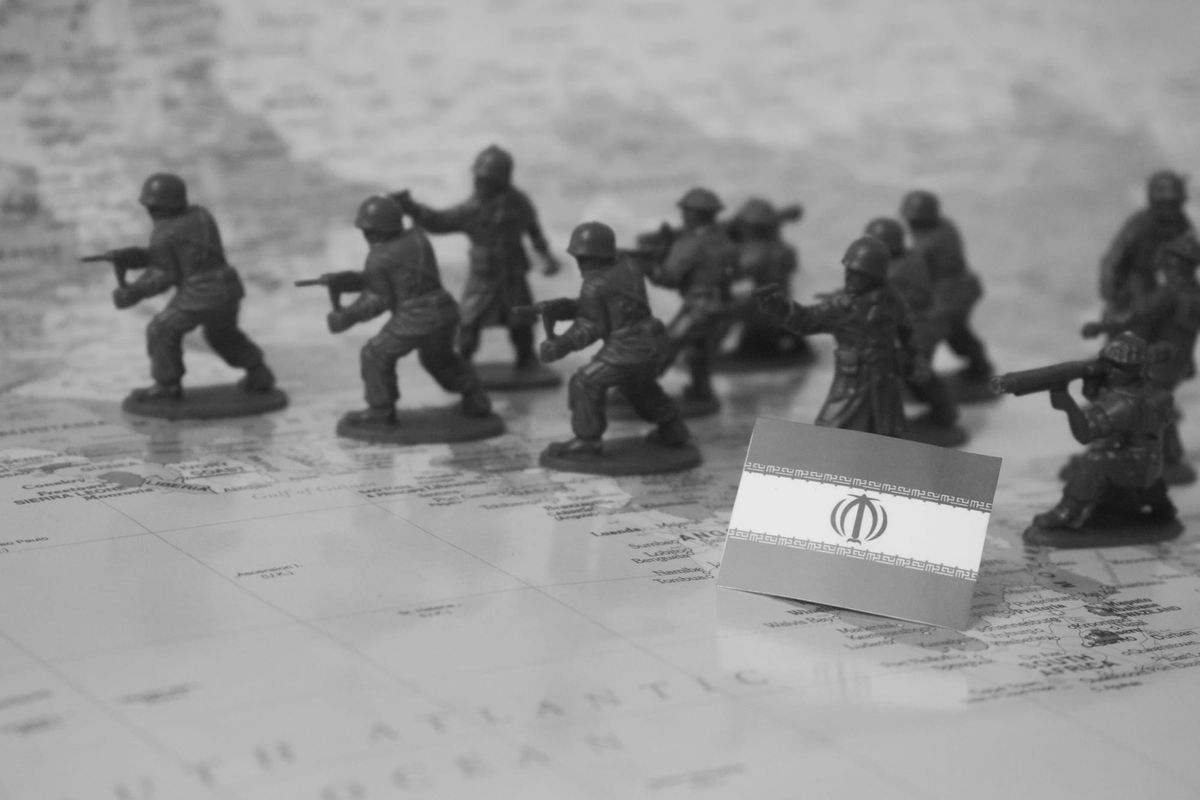
The timing of the withdrawal is inextricably linked to the escalating conflict involving Iran, which has severely hampered the flow of crude through the Strait of Hormuz.
With Tehran’s blockade of the vital chokepoint and recent missile strikes targeting regional energy assets, the UAE’s ability to export has been physically constrained regardless of OPEC quotas. In March 2026 alone, UAE production dropped by approximately 1.53 million barrels per day due to these security disruptions.
Industry reports from CNBC and Reuters indicate that the UAE’s leadership felt the collective decision-making process of OPEC+ was no longer sufficient to navigate the current "energy shock." The regional business hub, centered in cities like Dubai and Abu Dhabi, is increasingly focused on diversifying its energy portfolio and securing its own interests as traditional alliances in the Gulf face unprecedented strain.
Implications for Global Markets and Corporate Strategy
The departure of the UAE deals a significant blow to the unity of OPEC, which has sought to maintain a stable price floor through collective restraint. The loss of a member with meaningful spare capacity weakens the group's ability to act as a central stabilizer for global oil prices.
For omnichannel retailers and logistics providers, particularly those operating out of logistics hubs like Bentonville, the resulting market volatility could lead to higher operational costs in the short term, though the UAE's eventual production hike could offer long-term relief.
From a corporate strategy perspective, the move highlights a growing trend of "national-first" economic policies. As the UAE invests heavily in domestic energy production and carbon-capture technology, it is positioning itself as a reliable, forward-looking partner outside the constraints of traditional cartels.
This aligns with a broader vision to establish the region as a diversified economic powerhouse that is less dependent on the geopolitical maneuvering of its neighbors.
Future Outlook for Energy and Retail
As the May 1 deadline approaches, all eyes are on the potential for a "price war" or a further breakdown in OPEC+ relations. While the immediate impact on supply may be muted by the physical closure of shipping lanes, the structural change to the energy market is permanent.
Retailers must now account for a more fragmented energy landscape where traditional price-setting mechanisms are being replaced by individual national agendas and real-time technological responses to conflict.
The UAE’s exit from OPEC is more than a change in oil policy; it is a declaration of economic independence that will reshape global trade routes and corporate logistics strategies for years to come. In an era where the shopper journey is influenced by every link in the supply chain, the cost of the "last mile" has never been more dependent on the high-stakes diplomacy of the Middle East.
More about Iran conflict:
 Staff Report
 Staff Report
 Staff Report