
The fast-casual landscape is shifting as Subway officially debuts its "Fresh Value Menu" today, marking the first time in the company’s 60-year history that it has implemented a standardized national value platform.
This move is a direct response to the escalating "value wars" in the Quick Service Restaurant (QSR) sector, spearheaded by McDonald’s recent expansion of its McValue platform. As consumer sensitivity to pricing reaches a peak in 2026, Subway is repositioning itself as a wholesome, protein-heavy alternative to the traditional deep-fried offerings of its competitors.
Strategic Entry into the Value Category
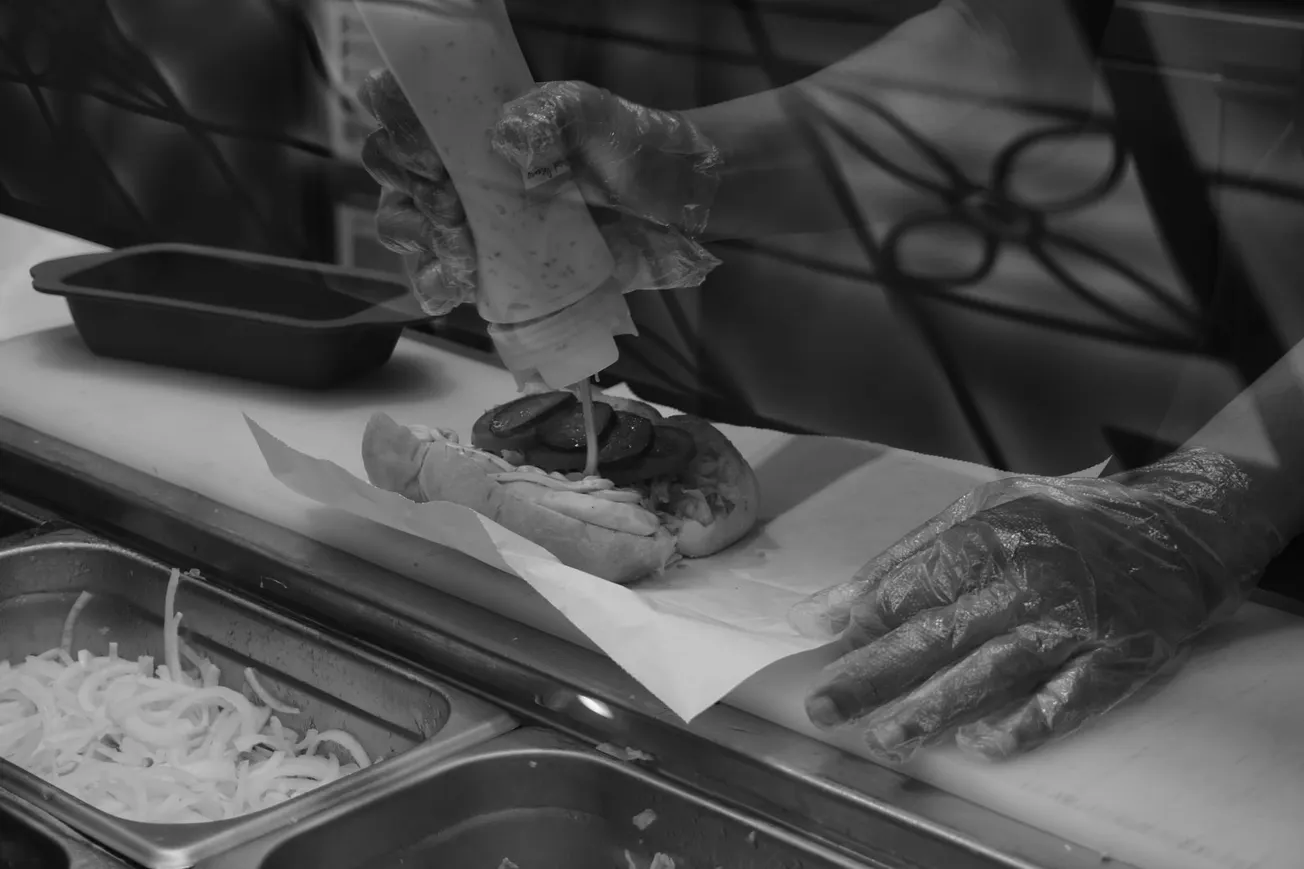
Subway’s new Fresh Value Menu consists of 15 entrees, including 11 six-inch sandwiches and four "Protein Pockets," all priced under $5.
This represents a significant departure from the brand’s recent focus on premium "Subway Series" chef-inspired sandwiches. By introducing a tiered value system, Subway aims to recapture the budget-conscious demographic that once gravitated toward its iconic—though long-discontinued—$5 footlong promotion.
The new menu structure includes four "Deli Fave" sandwiches priced at $3.99, such as the new Spicy Pepperoni and Ham & Salami options. Additionally, the brand has revamped its "Sub of the Day" program, offering a rotating selection of six-inch classics for $4.99.
According to company press releases, this strategy is designed to offer "quality, variety, and satisfying portions at an unmatched price," emphasizing that their value items are full entrees rather than the snacks or sides often found on competitor menus.
Countering the McDonald’s McValue Expansion
The timing of Subway’s launch coincides with a massive push from McDonald’s, which revamped its McValue platform earlier this month.
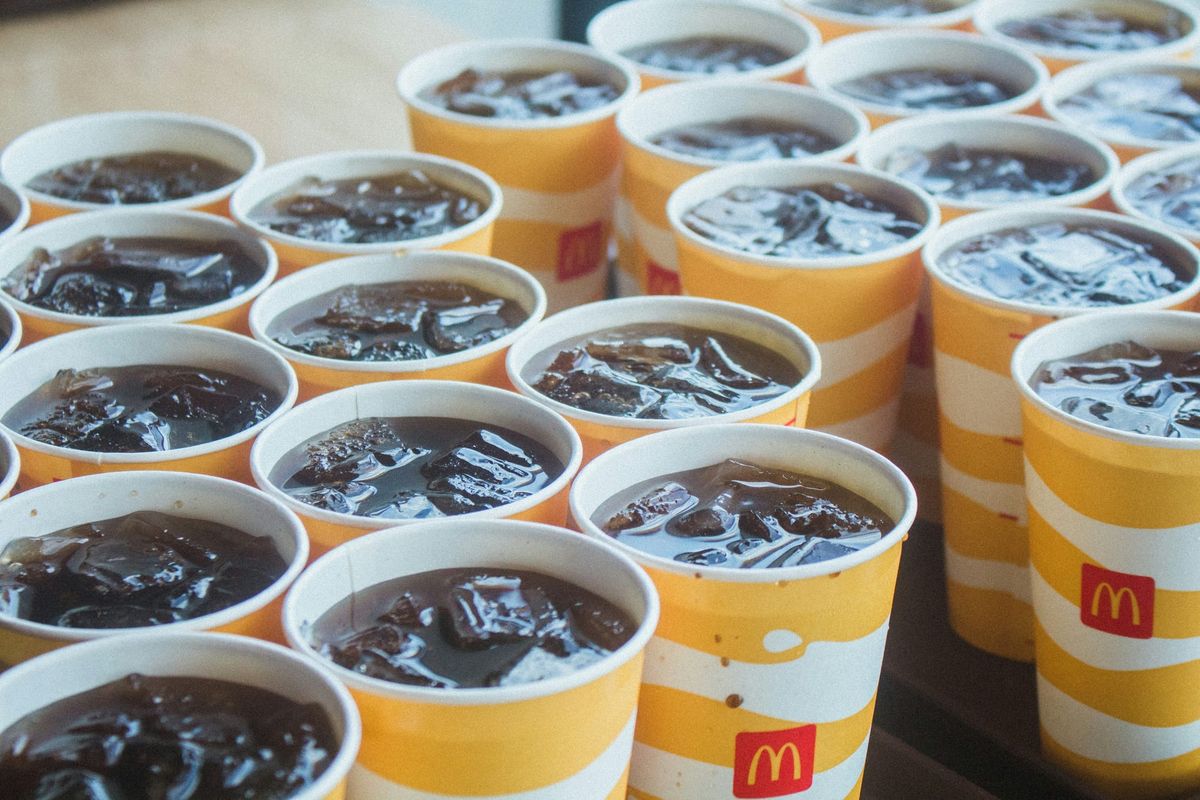
McDonald’s has standardized a nationwide "Under $3 Menu" and a new $4 Breakfast Meal Deal, prioritizing predictable, everyday low prices over complex digital coupons. The burger giant’s strategy is built on flexibility, allowing customers to mix and match ten core items to build their own budget meals.
Subway is leaning into its "Eat Fresh" identity to differentiate itself from the Golden Arches. In its promotional messaging, the brand explicitly contrasts its offerings with traditional fast-food sides, stating that their value menu is not just "a hashbrown or a small side salad" but a substantial meal boasting upwards of 20 grams of protein and fewer than 500 calories.
This focus on "nutritional value" per dollar is a calculated attempt to appeal to the health-conscious omnichannel shopper who is feeling the pinch of inflation but remains unwilling to compromise on food quality.
Impact on Corporate Strategy and Franchise Relations
For the broader retail and supply chain ecosystem in hubs like Bentonville, these shifts signal a period of intense margin management.
The move to standardized value menus requires significant coordination with franchisees, many of whom have expressed concerns about the impact of low-price mandates on labor and food costs. Subway’s transition to this model suggests a centralized leadership approach intended to stabilize foot traffic across its massive domestic footprint.
Furthermore, the technology driving these value platforms is becoming increasingly sophisticated. While McDonald's is moving toward "predictable" pricing, both brands continue to use their mobile apps to gather data and drive loyalty. The omnichannel journey is now defined by a balance of transparent in-store pricing and personalized digital incentives.
As Subway rolls out its new menu, the supply chain must adapt to the increased volume of specific "value" ingredients—such as Black Forest ham and Genoa salami—while maintaining the logistics efficiency required to keep these items under the $5 threshold.
Navigating the K-Shaped Economy
Economists and industry analysts suggest that the resurgence of value menus is a symptom of a "K-shaped" recovery, where middle-class and lower-income consumers are increasingly alienated by record-high fast-food prices. By establishing a permanent value tier, Subway and McDonald’s are acknowledging that the "occasional" discount is no longer enough to maintain market share.
The success of these platforms will likely depend on how well they balance affordability with the rising costs of logistics and labor. For stakeholders monitoring corporate strategy, the Subway-McDonald’s rivalry serves as a primary indicator of how major brands are pivoting to meet the demands of a more frugal, yet still convenience-oriented, global consumer.
More about food:
 Staff Report
 Staff Report
 Staff Report