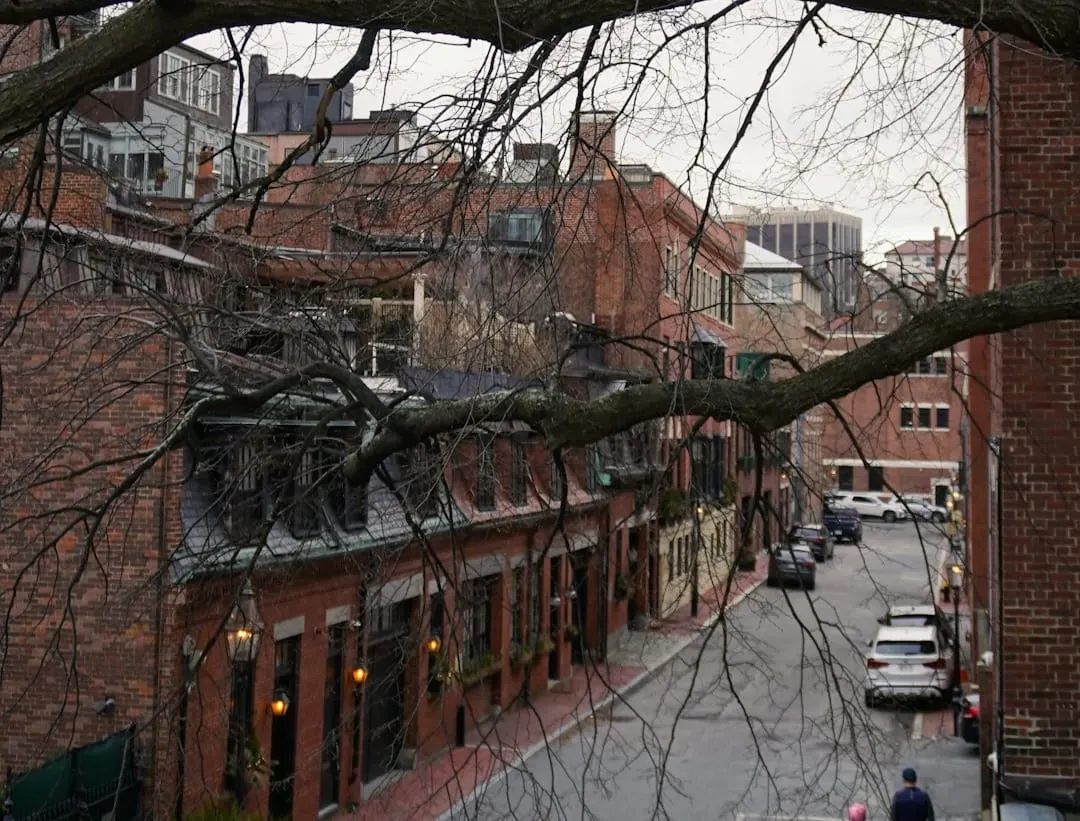
Fayetteville Expands Historic Districts: A New Era for Urban Development and Investment
The Fayetteville Planning Commission recently made a pivotal decision, voting to support the creation of two new local historic districts. This move signals a significant step in urban planning, influencing community identity, property values, and the future business landscape across Northwest Arkansas.
For industry professionals and local stakeholders, understanding these developments is crucial as they shape investment opportunities, corporate strategy, and regional growth within the vibrant Bentonville corridor and beyond.
Understanding Local Historic Districts and Their Impact
Local historic districts establish specific preservation regulations and design guidance that property owners agree to follow. This framework differs substantially from national historic districts, which primarily offer honorary titles without regulatory oversight.
The regulatory aspect of these districts directly impacts urban development, dictating how exterior changes along public rights-of-way are reviewed and approved by the city’s Historic District Commission. This fosters a controlled environment for architectural preservation, influencing long-term property value and community aesthetics.
Fayetteville Black Historic District: Preserving Community and Legacy
One of the proposed new districts is the Fayetteville Black Historic District, designed to safeguard an area historically significant for its association with the city’s Black community from post-emancipation to the present. The district encompasses 33 homes, two churches, and the Yvonne Richardson Community Center, reflecting a rich cultural heritage.
Community stakeholders championed this initiative, with 53% of owners within the proposed boundaries signing a petition to create the district. This collective effort highlights the power of community leadership in urban regeneration and the preservation of invaluable historical assets.
South Fayetteville Historic District: Balancing Preservation with Progress
The second proposed area is the South Fayetteville Historic District, identified for its association as a working-class neighborhood with structures primarily built between the 1900s and 1930s. This district includes 34 homes, one church, and two school buildings, representing another vital layer of Fayetteville’s history.
A key discussion point emerged regarding the former Jefferson Elementary School property, owned by the nonprofit Potter’s House. The organization requested its exclusion due to uncertainties about how preservation regulations might impact ongoing renovation plans, such as the installation of an elevator or window replacements.
The Planning Commission acknowledged these concerns, recommending that the Historic District Commission consider the renovation plans when finalizing the district boundary. This situation exemplifies the complex yet necessary balancing act between historical preservation and modern community development needs, a critical consideration for urban planning and investment in growing regions.
Strategic Implications for Business and Investment in Northwest Arkansas
The establishment of new historic districts in Fayetteville carries significant implications for business dynamics and investment across Northwest Arkansas. These areas can attract cultural tourism, enhance property values through regulated aesthetics, and create opportunities for local businesses specializing in preservation, restoration, and unique retail experiences.
For investors and developers, understanding these new regulatory landscapes is essential for corporate strategy and long-term planning, as they influence project feasibility and market appeal. The commitment to preserving historic integrity while adapting to modern needs ensures sustainable regional growth and a unique sense of place for residents and businesses alike.
The proposals will now move to the city’s Historic District Commission for further review and potential changes before heading to the City Council for final approval. This multi-stage process underscores the meticulous urban planning required to foster vibrant communities and a robust economic environment in the Bentonville region.