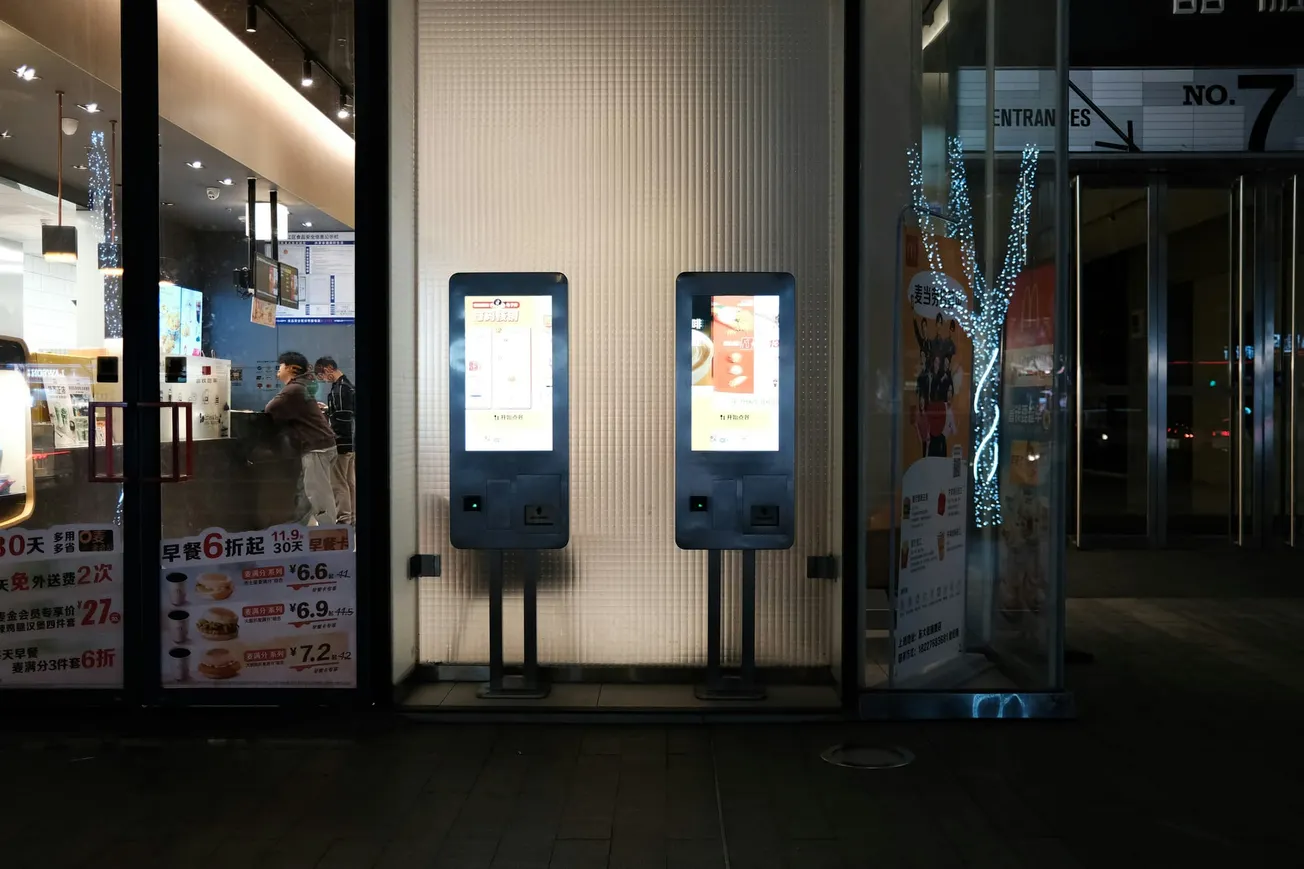
White Castle has announced a massive expansion of its automated kitchen technology, with plans to deploy 1,000 hamburger-flipping kiosks across its regional footprint. This aggressive rollout follows successful pilot programs and underscores a significant shift in corporate strategy as the quick-service restaurant (QSR) industry grapples with rising labor costs and the need for precision in high-volume food production. The deployment represents one of the largest scale-ups of robotic kitchen assistants in the United States to date.
The kiosks, developed in partnership with leading robotics firms, are designed to work alongside human team members, handling high-heat and repetitive tasks such as flipping patties and monitoring grill temperatures.
This move highlights a broader trend: the integration of industrial automation into consumer-facing environments to solve operational bottlenecks. By standardizing the cooking process, White Castle aims to ensure product consistency while speeding up the fulfillment of omnichannel orders, including those from mobile apps, delivery aggregators, and drive-thrus.
The decision to scale to 1,000 units indicates that the technology has moved past the experimental phase and is now a core component of the brand's logistics and labor strategy. White Castle leadership noted that the automated systems allow for real-time data collection on inventory usage and throughput, which directly informs supply chain replenishment cycles.
This level of granular visibility is essential for maintaining the "just-in-time" delivery standards that modern shoppers and diners expect.
The implementation of these kiosks is also a response to the evolving labor landscape. By automating the most physically demanding kitchen roles, White Castle aims to reduce employee turnover and repurpose human labor toward higher-value tasks, such as order accuracy, guest service, and local store marketing. This hybrid model—blending human hospitality with robotic efficiency—is a key pillar of the modern omnichannel retail experience, where technology serves as an invisible enabler of speed and reliability.
Industry analysts suggest that this rollout will set a new benchmark for the QSR sector. As generative AI and robotics become more accessible, the barriers to entry for large-scale automation are falling.
White Castle’s move allows them to hedge against inflationary pressures while gathering the data necessary to further personalize the shopper journey. For example, integrated kiosks can eventually be programmed to suggest menu pairings or loyalty rewards based on real-time inventory and historical purchase data.
Furthermore, the environmental impact of these kiosks is being monitored as part of the brand’s broader sustainability initiatives. The precision of automated cooking helps reduce food waste by ensuring every patty is cooked to exact specifications, preventing overcooking or spoilage. This focus on "regeneration" and resource efficiency is increasingly important to modern consumers who prioritize brands with responsible operational practices.
As White Castle continues this rollout through the remainder of 2026, the retail and logistics community will be watching closely to see how the technology affects drive-thru wait times and overall brand loyalty. The success of this 1,000-unit deployment could signal a turning point for the industry, moving automation from a novelty to a standard requirement for competitive operation in the global marketplace.
More about technology:
 Staff Report
 Staff Report
 Staff Report