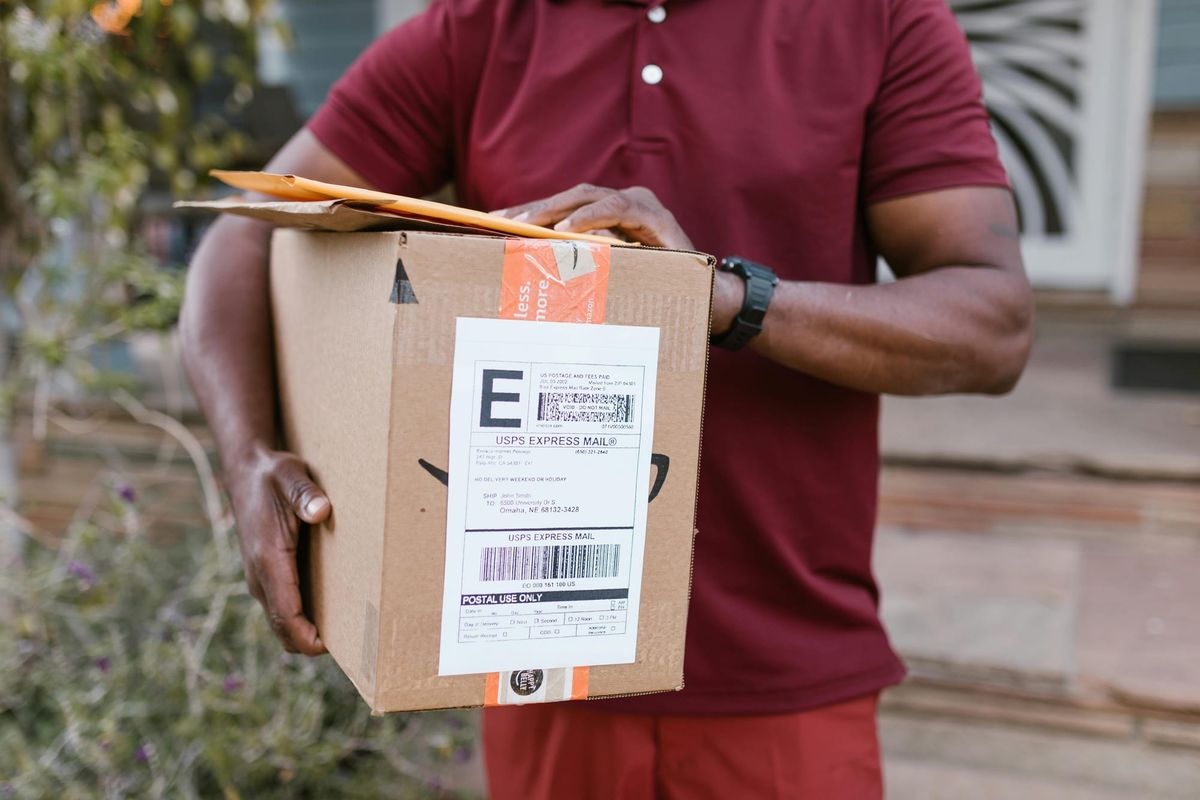


USPS Modernizes Shipping Standards with New Dimension Reporting Rules
The United States Postal Service (USPS) is transitioning to a more rigorous package dimension reporting system, introducing a phased implementation strategy to help shippers adjust to the new requirements. Announced on April 22, 2026, the updated protocols are designed to improve operational efficiency within the postal network by ensuring that package sizes are reported with pinpoint accuracy before they enter the sorting stream.
For retailers and logistics providers, particularly those in the e-commerce sector, this shift necessitates a reevaluation of packing processes and digital shipping integrations.
The move comes as the USPS continues its multi-year "Delivering for America" transformation plan, which seeks to modernize the agency’s infrastructure and financial sustainability. By enforcing stricter dimension reporting, the USPS can better optimize cargo space in transport vehicles and automated sorting equipment, ultimately reducing the "air" shipped in oversized boxes and minimizing wasted capacity across its national network.
Phased Implementation and Compliance for E-commerce Shippers
Recognizing the potential for technical friction, the USPS is rolling out these changes in stages. The initial phase focuses on high-volume commercial shippers, requiring them to integrate updated Application Programming Interfaces (APIs) that capture length, width, and height with greater precision. Later phases will extend these requirements to smaller businesses and individual consumers using online postage platforms.
This reporting change is particularly relevant for omnichannel retailers who rely on USPS for last-mile delivery. Accurate dimension data is a cornerstone of modern logistics technology; it allows for better "load building" and more predictable shipping costs. Under the new rules, shippers who provide inaccurate dimensions may face automated "non-compliance fees" or "adjustment charges" as packages move through high-speed scanners equipped with 3D-dimensioning technology.
Impact on Northwest Arkansas Retail and Vendor Ecosystem
For the thousands of vendors and agencies based in Bentonville and the surrounding Northwest Arkansas region, the USPS update is a critical factor in margin protection. As shipping rates and surcharges continue to evolve, the ability to automate dimensioning within the warehouse environment becomes a competitive necessity. Many local firms are already investing in automated "dimensioners"—stationary or handheld devices that instantly capture package data and sync it with shipping software.
Furthermore, these changes drive a growing demand for "right-sized" packaging solutions. Retailers are increasingly moving away from "one-size-fits-all" boxes in favor of custom-fit packaging that reduces the dimensional weight (DIM weight) of shipments. This shift not only aligns with USPS reporting requirements but also supports regional sustainability goals by reducing the amount of corrugated waste and dunnage entering the waste stream.
Navigating the Future of Last-Mile Delivery
The USPS's pivot toward data-heavy reporting reflects a broader trend across the global logistics landscape: the digitizing of the physical parcel. As technology and access to information continue to advance, the "guesswork" of traditional shipping is being replaced by real-time validation. For supply chain leaders, the challenge lies in ensuring that their internal data systems are robust enough to communicate seamlessly with postal carriers.
As the phased rollout continues through late 2026, the USPS has committed to providing educational resources and technical support to help businesses navigate the transition. For the DBB community, staying ahead of these regulatory updates is essential for maintaining the "anywhere, anytime" delivery promise that modern consumers expect. By embracing these changes early, shippers can avoid unexpected costs and contribute to a more efficient, technology-driven national delivery infrastructure.
More about USPS:
 Staff Report
 Staff Report
 Staff Report