
Global Supply Chain Volatility Hits Beverage Sector as Aluminum Costs Surge
A significant disruption in the global supply chain has emerged following the intensification of conflict between Israel and Iran, directly impacting the availability of aluminum used for consumer packaging.
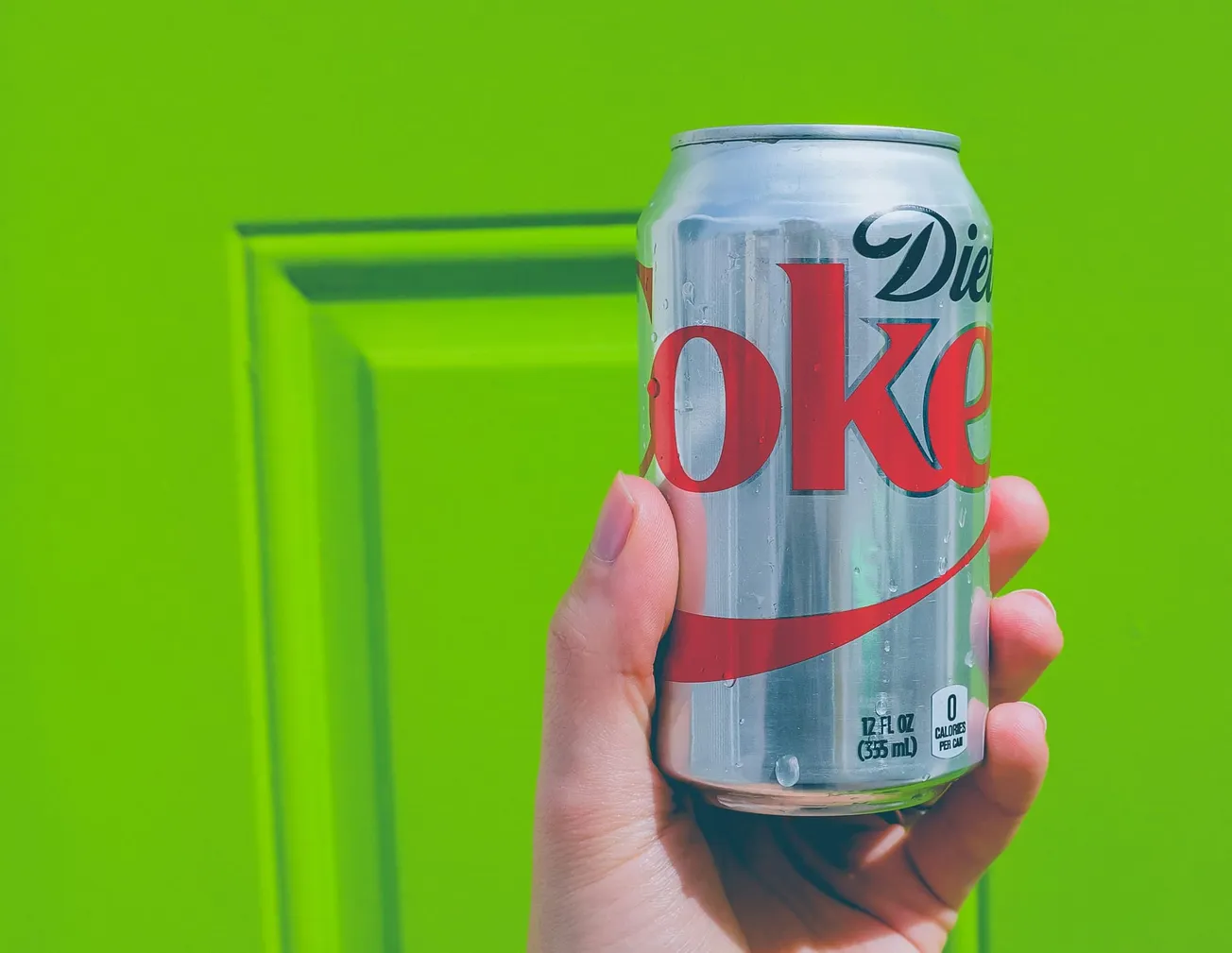
On April 22, 2026, reports indicated that major beverage manufacturers, including Coca-Cola, are facing critical shortages of aluminum cans in key markets such as India. This development underscores the fragility of global logistics and the immediate ripple effects that geopolitical instability has on retail inventory and consumer availability.
The escalation of hostilities has hampered shipping routes and increased energy costs, which are vital for the energy-intensive process of aluminum smelting. As a result, the cost of raw materials has spiked, forcing manufacturers to reassess their distribution strategies and packaging formats. For omnichannel retailers, this translates to potential out-of-stock scenarios for high-volume products like Diet Coke, challenging the "anytime, anywhere" promise of modern retail.
Impacts on Packaging and Omnichannel Inventory Management
The current shortage is particularly visible in India, a rapidly growing market for international beverage brands. Supply chain analysts note that the reliance on specialized aluminum grades for beverage cans makes the industry vulnerable to sudden trade barriers or transport delays. When the physical supply of goods is interrupted at the source, the entire omnichannel ecosystem—from automated warehouses to last-mile delivery services—feels the strain.
Retailers in Northwest Arkansas and across the globe are increasingly utilizing advanced supply chain technology to mitigate these risks. Predictive analytics and real-time inventory tracking are being deployed to anticipate shortages and pivot to alternative packaging, such as glass or plastic, where feasible. However, the consumer preference for aluminum cans due to their portability and recyclability remains a significant factor in brand loyalty and marketing strategy.
Strategic Responses to Logistics and Trade Barriers
Industry leaders are responding to these logistical hurdles by seeking more resilient, localized sourcing models. The current crisis highlights the necessity of "Regenerative" supply chains—systems that can adapt to shocks without collapsing. For vendors and agencies based in retail hubs like Bentonville, the focus has shifted toward securing diverse sourcing contracts to ensure that geopolitical events in one region do not paralyze operations globally.
Furthermore, the rise of agentic AI in logistics is helping firms reroute shipments around volatile zones, though these detours often result in increased transit times and higher freight costs. As global trade routes face continued pressure, the integration of data-driven decision-making becomes the primary tool for maintaining shelf presence.
The Intersection of Corporate Strategy and Global Stability
The shortage serves as a stark reminder that corporate strategy is inextricably linked to global stability. Major retailers must now account for "black swan" geopolitical events as a standard part of their risk management protocols. While the immediate focus remains on the beverage industry, the aluminum shortage has the potential to spill over into other categories, including consumer electronics and automotive parts, further complicating the global economic outlook for 2026.
As the situation evolves, stakeholders in the retail and logistics sectors are closely monitoring diplomatic efforts to stabilize the Middle East. Until a resolution is reached, the focus remains on agility and the creative use of technology to bridge the gaps in the global supply chain, ensuring that the consumer journey remains as uninterrupted as possible despite international turmoil.
More about the Iran conflict:
 Staff Report
 Staff Report
 Staff Report