
Uber Technologies, Inc. has announced a significant expansion of its partnership with Block, Inc., introducing a suite of digital shopping and payment features designed to streamline the consumer journey and optimize merchant operations.
The collaboration, unveiled in late April 2026, focuses on integrating Cash App Pay into the Uber ecosystem and scaling Square’s point-of-sale (POS) capabilities globally. These updates represent a strategic move to capture a larger share of the omnichannel retail market by reducing friction at the digital checkout.
Seamless Payments for the Next Generation
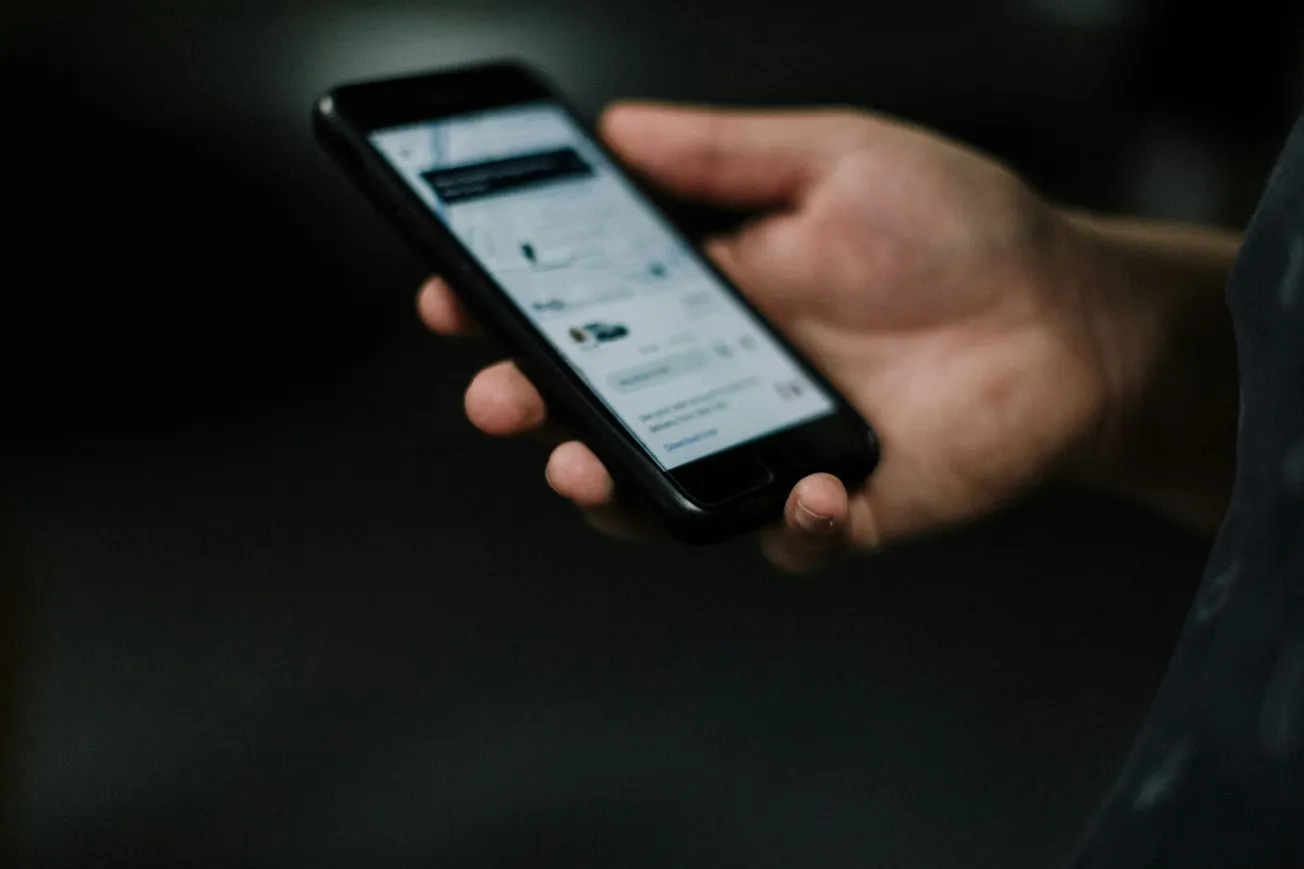
Central to the update is the U.S. launch of Cash App Pay as a native payment option within both the Uber and Uber Eats applications. This integration provides Uber access to more than 59 million monthly active Cash App users, a demographic heavily comprised of Millennials and Gen Z consumers.
By offering a mobile-first payment method that bypasses traditional credit card entries, Uber aims to increase conversion rates and cater to the preferences of younger, digitally native shoppers.
For the Bentonville-based retail community, this shift highlights the growing importance of payment flexibility in the shopper journey. As retailers and brands strive to meet consumers wherever they are, the ability to offer familiar and efficient financial tools becomes a key differentiator in brand loyalty and repeat business.
 Dan Craft
Operational Efficiency for Restaurant and Retail Merchants
Beyond the consumer-facing updates, the partnership significantly enhances the backend infrastructure for merchants. Square’s native integration with Uber Eats is expanding beyond the U.S. to include Canada, Australia, the United Kingdom, Ireland, France, and Spain.
This global rollout allows businesses to manage Uber Eats orders directly through their existing Square POS systems, eliminating the need for multiple tablets and fragmented workflows.
Key merchant features of the expanded integration include:
- Unified Dashboarding: Merchants can control menus, inventory levels, and modifiers across all channels from a single interface.
- Streamlined Workflows: Orders flow directly to the kitchen or fulfillment area, reducing errors and improving delivery speed.
- Instant Payouts: Eligible merchants can access funds from their sales more quickly, supporting healthier cash flow management for small and mid-sized enterprises.
The Omnichannel Retail Vision
The convergence of transportation, delivery, and financial services underscores Uber’s evolution into a comprehensive "go anywhere, get anything" platform. By simplifying the checkout process and providing merchants with more robust management tools, Uber and Block are addressing two of the primary barriers in omnichannel retail: logistical complexity and payment friction.
This collaboration follows Uber's recent nationwide delivery partnership with Kroger, further cementing the platform's role in the grocery and essentials sector. As digital and physical shopping continue to merge, the technology facilitating these transactions must be as agile as the consumers using them.
For industry leaders and stakeholders, the Uber-Block partnership serves as a benchmark for how ecosystem-driven strategies can create value on both sides of the retail counter. By aligning logistics with advanced fintech, these companies are not just moving goods; they are refining the infrastructure of modern commerce.