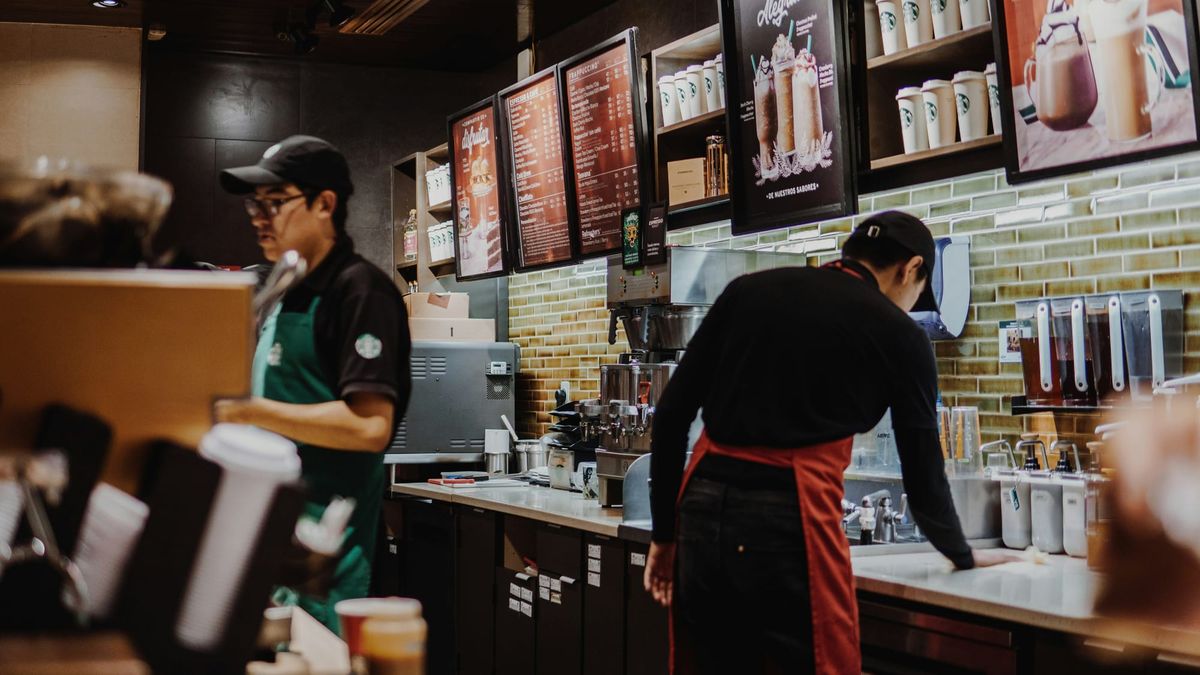

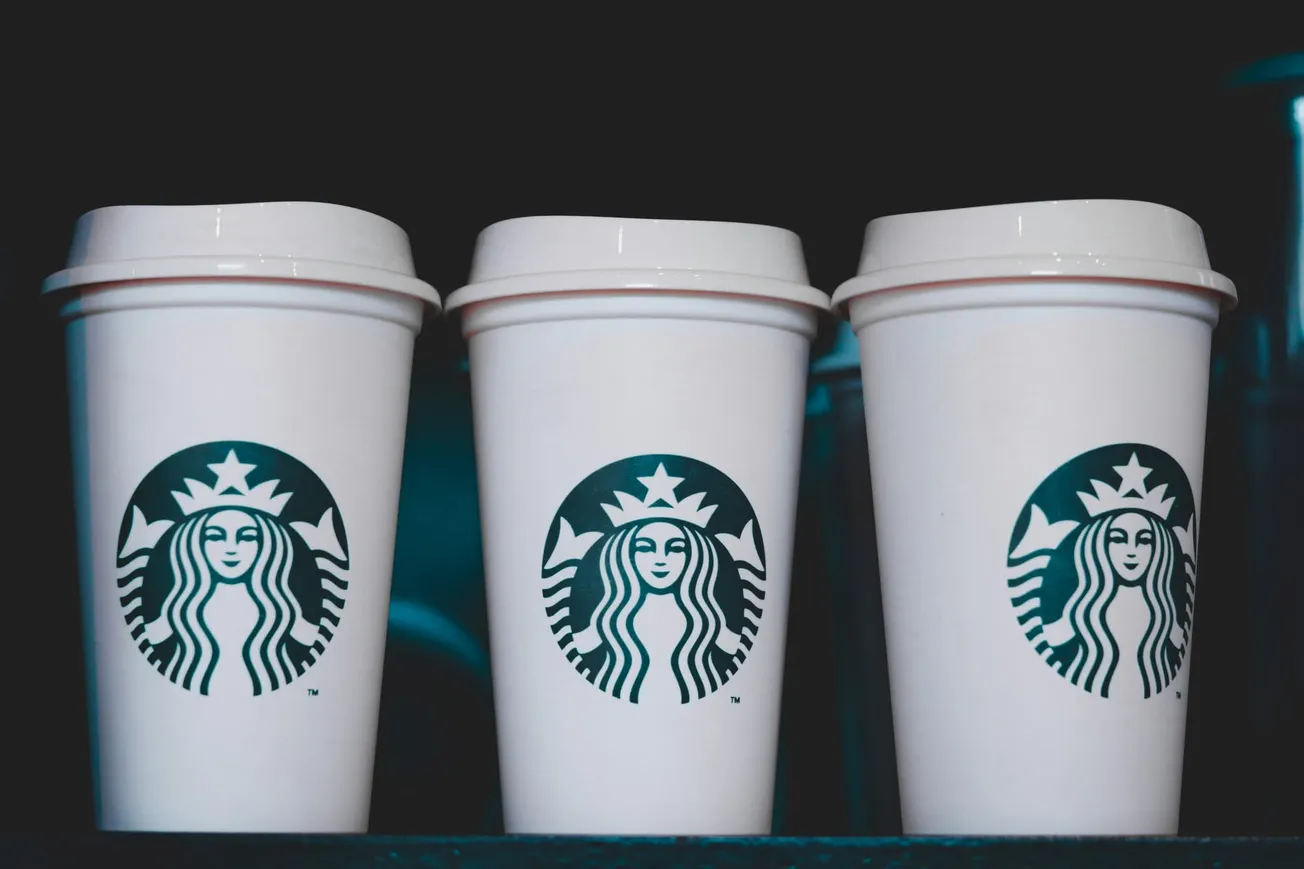
Starbucks has announced the conclusion of its "Coffee Loop" rewards pilot, a six-month experiment designed to test high-frequency loyalty incentives outside of its primary mobile application. The program, which launched in October, is scheduled to officially close on April 30, 2026. The decision comes as Starbucks executes a broader strategic pivot under CEO Brian Niccol, aimed at simplifying the customer experience and revitalizing the brand’s "third place" identity.
The Coffee Loop pilot was notable for its distinct operational structure. Unlike the standard Starbucks Rewards program integrated into the iOS and Android apps, Coffee Loop functioned through a standalone website. It offered a straightforward value proposition: buy nine brewed coffees and receive the tenth free. However, the program featured several technical and product limitations; it excluded popular categories like Nitro Cold Brew and espresso-based beverages, and it did not allow for the redemption of "Stars" or other traditional loyalty perks.
Industry analysts suggest the termination of the pilot reflects a shift toward consolidation. In March 2026, Starbucks unveiled a significant overhaul of its core Rewards program, moving to a three-tier system—Green, Gold, and Reserve. By ending the Coffee Loop experiment, the company appears to be directing its 35.5 million active loyalty members toward a unified digital ecosystem. This move aligns with the "Back to Starbucks" initiative, which prioritizes operational efficiency and reduced friction at the point of sale.
The omnichannel implications of this move are significant for retail and marketing professionals. While Coffee Loop allowed Starbucks to gather data on a specific segment of high-frequency "drip coffee" drinkers, the friction of maintaining a separate web-based login likely hampered long-term adoption. Modern retail strategy increasingly favors "super-apps" that house all loyalty, payment, and personalization features in a single interface to reduce "app fatigue" among consumers.
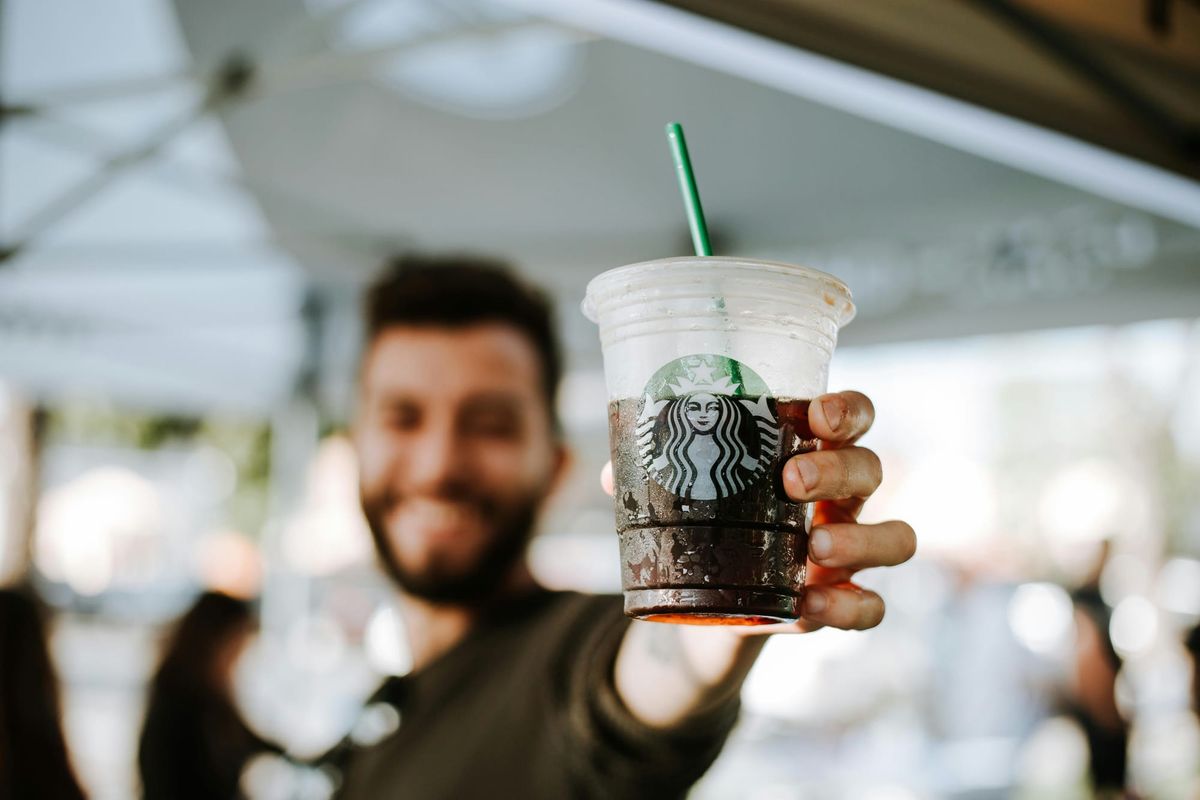
Despite the end of this specific pilot, Starbucks continues to use its digital platforms to drive environmental and operational goals. The company recently achieved a "Widely Recyclable" designation for its polypropylene cold cups, a milestone in its goal to reduce waste by 50% by 2030. Furthermore, the new "Free Mod Mondays" and tier-based benefits in the primary app demonstrate a more nuanced approach to personalization than the "buy-ten-get-one" model offered by Coffee Loop.
As Starbucks prepares to report its second-quarter fiscal earnings, the focus remains on whether these loyalty changes can sustain the 4% increase in global comparable store sales reported in the previous quarter. For the broader retail community, the rise and fall of Coffee Loop serves as a reminder that even for global leaders, the most successful omnichannel strategies are those that balance experimental incentives with a seamless, centralized user experience.
More about Starbucks:
 Staff Report
 Staff Report
 Staff Report