
Nestlé and ILO Strengthen Collaboration to Advance Labor Standards in Global Coffee Sourcing
Nestlé and the International Labour Organization (ILO) have announced an expansion of their long-standing partnership through a new, two-year initiative titled "From Fair Recruitment to Worker Protection in Coffee Supply Chains." Launched on March 31, 2026, the project is designed to address systemic labor risks and promote decent work standards in three of the world’s most critical coffee-producing nations: Brazil, Colombia, and Mexico.
For the Bentonville-based retail community and global CPG leaders, this move highlights a growing strategic shift toward integrating human rights directly into the supply chain as a pillar of long-term operational resilience.
Addressing Structural Labor Deficits
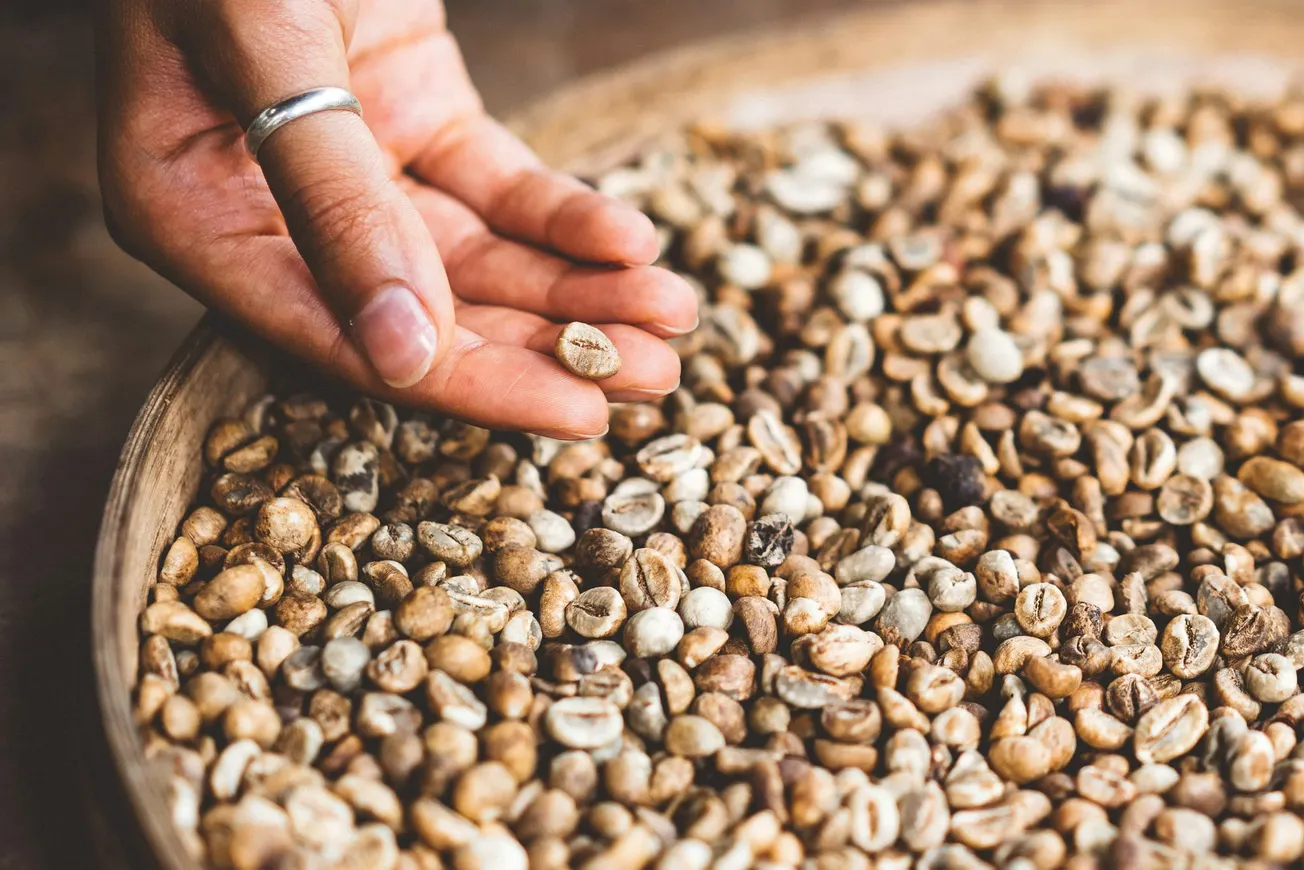
Coffee production supports the livelihoods of an estimated 20 to 25 million families globally, yet the sector remains vulnerable to labor-related risks. Seasonal and migrant workers, who form the backbone of the harvest, often operate in environments characterized by "decent work deficits," including lack of formal contracts and inadequate safety protections.
The ILO will leverage its standard-setting role to facilitate "social dialogue" among national governments, employers, and worker organizations. This collaborative framework aims to identify the "key drivers" of labor risks—such as unfair recruitment practices—and implement targeted country-level interventions. According to Supply Chain Dive, the project will contribute to broader global knowledge-sharing, helping other commodity sectors navigate similar social compliance hurdles.
Integration with the Nescafé Plan 2030
This partnership is a core component of the "Nescafé Plan 2030," Nestlé’s comprehensive sustainability program that seeks to improve farmer livelihoods while transitioning to regenerative agriculture. The plan has already seen significant progress; by the end of 2024, Nestlé reported that 32% of its coffee was sourced from farmers utilizing regenerative methods, surpassing its 2025 target ahead of schedule.
Antje Shaw, Head of Sustainability for Coffee at Nestlé, noted that the alliance with the ILO is a necessary step to accelerate the creation of "resilient and inclusive" value chains. By aligning corporate sourcing strategies with the ILO’s "Safety + Health for All" flagship program and the "Vision Zero Fund," Nestlé is signaling that social sustainability is no longer a peripheral compliance check but a central driver of corporate strategy.
Strategic Implications for Omnichannel Retailers
For retailers and vendors operating in the Bentonville ecosystem, the Nestlé-ILO partnership underscores a critical evolution in shopper expectations. As the omnichannel journey becomes more transparent, consumers are increasingly utilizing digital tools to trace the origins of their products. A failure to manage labor risks at the source can lead to significant reputational damage and supply disruptions, particularly as global regulatory frameworks regarding human rights due diligence continue to tighten.
Furthermore, the focus on "fair recruitment" is a strategic move to stabilize the workforce. By ensuring workers are treated with dignity and recruited through transparent channels, companies can reduce labor turnover and improve productivity at the farm level. This stability is essential for maintaining the consistent supply volumes required by major global retailers.
A Blueprint for Industry-Wide Transformation
The Nestlé-ILO initiative serves as a blueprint for how large-scale CPG companies can utilize multilateral partnerships to solve complex, systemic issues that no single organization can address alone. The use of "social dialogue" ensures that solutions are culturally relevant and supported by local governance, which is vital for the long-term success of any sustainability effort.
As the two-year project unfolds, the insights gained from Brazil, Colombia, and Mexico will likely influence how other agricultural commodities—such as cocoa or palm oil—are managed. For industry leaders, the message is clear: the future of omnichannel retail success depends on a supply chain that is as ethically sound as it is logistically efficient.
More about coffee:
 Staff Report
 Staff Report
 Staff Report