
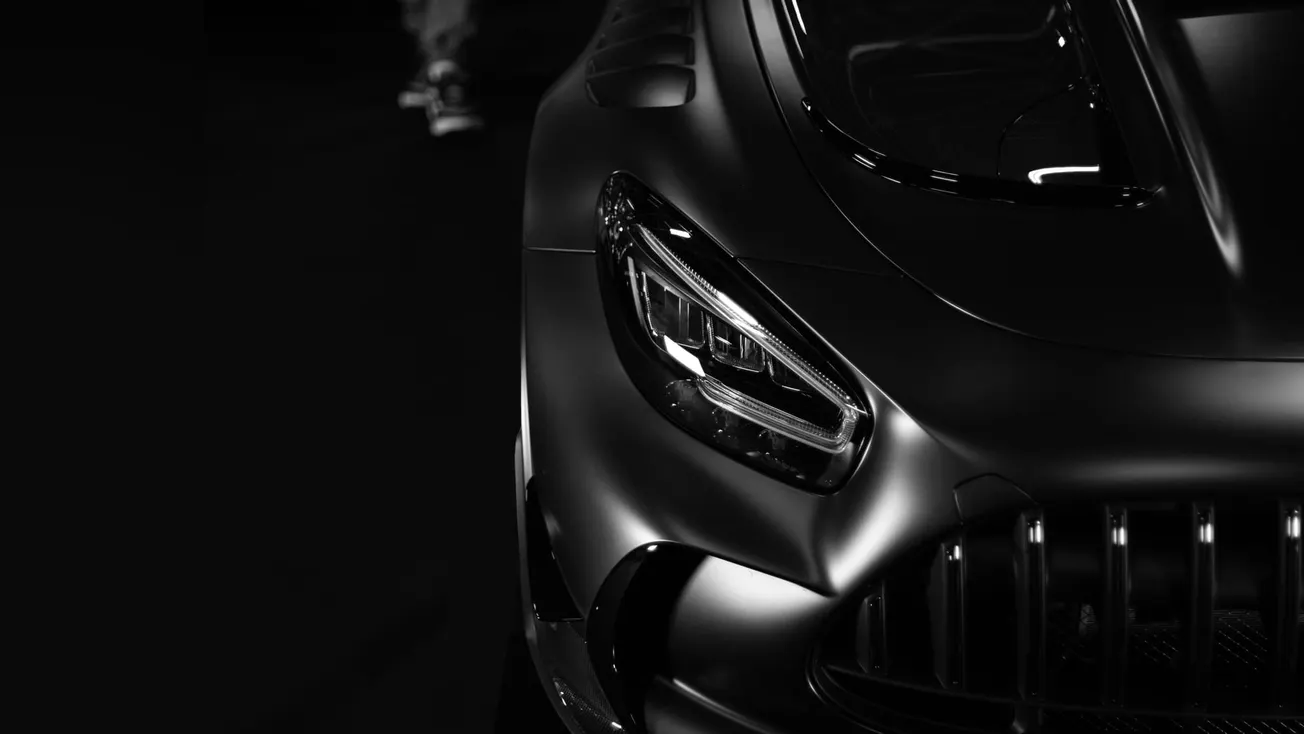
Mercedes-Benz Group is recalibrating its strategy in the world’s largest automotive market, setting an ambitious mid-term goal of 600,000 annual unit sales in China. During the company’s annual shareholders' meeting on April 16, 2026, Chief Financial Officer Harald Wilhelm informed investors that the German luxury automaker aims to stabilize its position within a range of 500,000 to 600,000 vehicles per year, even as it navigates what management has termed a "transition year."
Navigating a Volatile Luxury Landscape
The announcement comes at a critical juncture for Mercedes-Benz. While the brand remains a dominant global player, its performance in China has faced significant headwinds. In the first quarter of 2026, Mercedes reported a 27% drop in deliveries in the region, falling to 419,400 vehicles globally. This decline in China follows a 19% sales slump in 2025, during which the brand delivered approximately 552,000 units.
Harald Wilhelm emphasized that despite current pressures, the company is targeting margins in the high single digits for the China region over the mid-term. To achieve this, Mercedes is moving away from volume-driven "entry-level" segments to focus on high-margin luxury vehicles, a strategy that has drawn both praise for its discipline and scrutiny from investors worried about losing ground to local innovators.
The Rise of Domestic Competition
The primary challenge for legacy European automakers in China is no longer just other global brands, but a surge in technologically advanced domestic competitors. Brands such as BYD, NIO, and Li Auto have successfully captured market share by offering "tech-laden" premium vehicles at aggressive price points.
Investor Moritz Kronenberger of Union Investment highlighted this shift during the meeting, noting that "customers in China today buy innovation, not tradition." This sentiment echoes a broader trend in omnichannel retail and the experience economy, where the brand’s "heritage" is being weighed against real-time software capabilities and autonomous driving features. In response, Mercedes has partnered with Chinese tech firm Momenta to accelerate the development of advanced driving assistance systems tailored specifically for local consumer preferences.
Strategic Product Offensive
To reclaim its competitive edge, Mercedes-Benz is launching its largest product offensive in company history. The roadmap includes:
- The rollout of seven new China-exclusive models by 2027.
- A refreshed flagship S-Class designed to reaffirm the brand’s leadership in the "Top-End" luxury segment.
- The introduction of the battery-powered CLA and other electrified models to meet local environmental mandates.
CEO Ola Kaellenius described 2026 as a year of "fundamental reinvention," signaling that the company will prioritize localized development and supply chain efficiency. This includes a goal to reduce local material costs by 10% and variable production costs by 20% by 2027.
Implications for the Bentonville Business Community
For global retail and logistics stakeholders, the Mercedes-Benz situation serves as a vital case study in market adaptation. The shift toward "local-for-local" production and development is becoming a necessity in fragmented global markets. Mercedes-Benz’s decision not to export Chinese-made vehicles to Western markets—despite its manufacturing footprint there—underscores the complex interplay of trade policy, tariffs, and regional sourcing strategies.
Furthermore, the brand’s focus on maintaining "pricing discipline" over raw volume reflects a growing trend in high-end merchandising. In an era where omnichannel shoppers have instant access to price comparisons and reviews, luxury brands must ensure their value proposition extends beyond the physical product to include a seamless, AI-supported digital and service experience.
As Mercedes-Benz aims for its 600,000-unit target, the industry will be watching to see if the brand’s "Next Level Performance" restructuring can successfully balance its luxury heritage with the rapid-fire innovation demanded by the modern Chinese consumer.
More about automotive:
 Staff Report
 Staff Report
 Staff Report