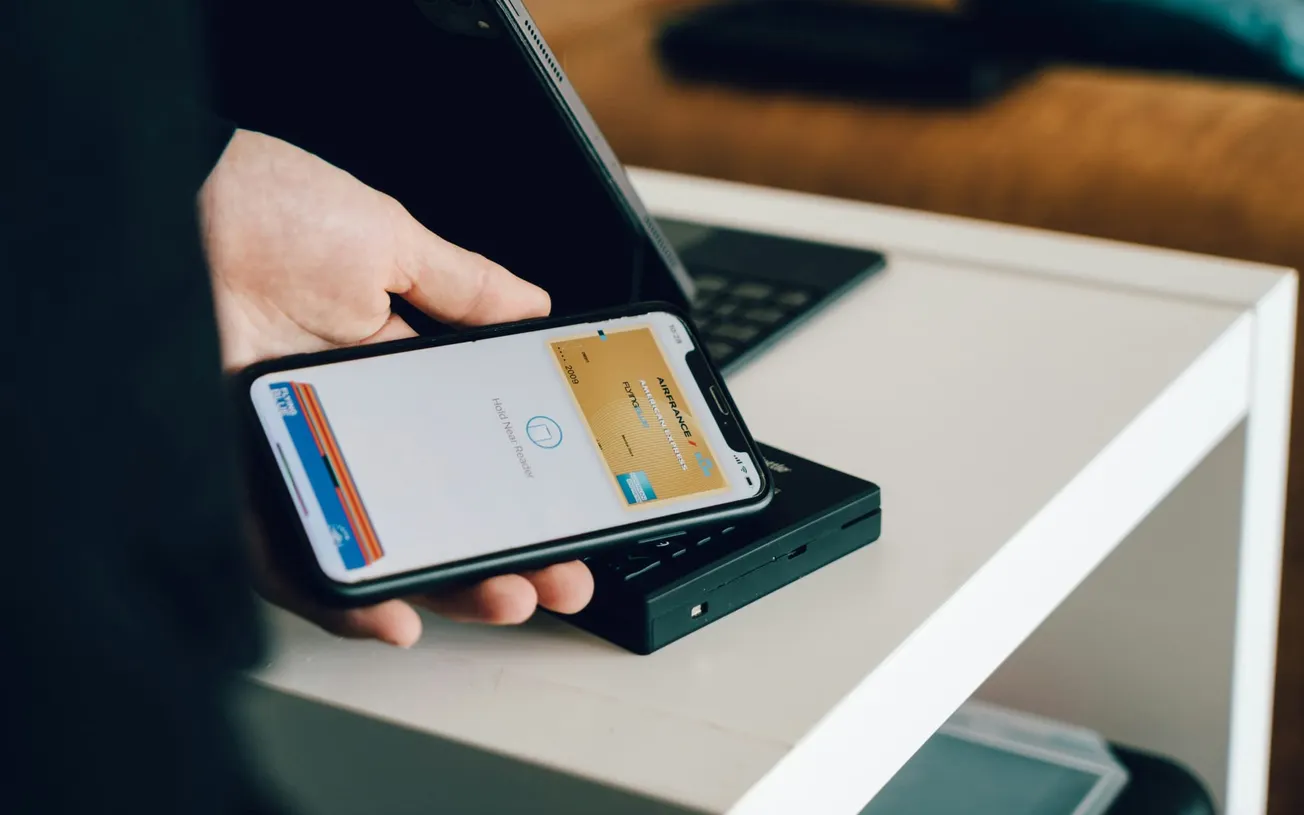
The definition of money is undergoing a fundamental shift from a static store of value to a programmable, interoperable utility. In a recent episode of the "From the Block" podcast, PYMNTS CEO Karen Webster sat down with Ryan Rugg, Global Head of Digital Assets for Citi Treasury and Trade Solutions, and Farooq Malik, CEO of Rain, to discuss why "the biggest market in the world"—money itself—is currently in a state of flux and "up for grabs."
The Shift from Ideology to Utility
For years, the conversation surrounding blockchain and digital assets was dominated by ideological debates over decentralization. In 2026, that narrative has matured into a pragmatic race for efficiency. The central question for today’s financial leaders is no longer "is blockchain real?" but rather "who can make value move faster, safer, and with less friction?"
As Farooq Malik noted during the discussion, the real breakthrough is not the digital asset itself, but the creation of an interoperable layer that allows tokenized money to move across legacy rails as easily as an email. For the omnichannel retail sector, this represents a massive opportunity to reduce the "cost of money" within the supply chain, moving away from slow, batch-processed settlements toward always-on liquidity.
Stablecoins and Tokenized Deposits
The debate between stablecoins and tokenized deposits is heating up as traditional financial institutions (TradFi) move deeper into the space. While stablecoins offer immediate utility on public blockchains, tokenized deposits provide the "safety and soundness" that corporate treasurers demand.
The goal is to make these complex back-end mechanics invisible to the end user. Whether a merchant is receiving a payment in USDC or a tokenized bank deposit, the experience should be seamless. Ryan Rugg emphasized that for institutional adoption to reach its next phase, the industry must adhere to the principle of "same activity, same risk, same regulation," ensuring that digital assets fit within established risk frameworks rather than attempting to circumvent them.
Impact on Global Omnichannel Retail
For businesses operating in retail hubs like Bentonville, the programmability of money is the most significant development since the advent of e-commerce. Programmable payments allow for "smart contracts" that trigger automatically when certain conditions are met—such as releasing payment to a vendor the moment a bill of lading is digitally signed.
This technology addresses several friction points in the modern supply chain:
- Cross-Border Speed: Eliminating the multi-day delays of correspondent banking.
- 24/7 Liquidity: Allowing settlement to occur on weekends and holidays.
- Cost Reduction: Lowering the transaction fees associated with traditional credit and debit rails.
The "Stripe Moment" for Clearing
The podcast participants compared the current state of blockchain finance to the early days of the internet. We are approaching a "Stripe moment" for global clearing and settlement—a point where the underlying complexity is abstracted away, leaving only a simple, powerful tool for commerce.
Malik’s company, Rain, is positioning itself as a neutral interoperability layer, proving that the future of finance is about connectivity. By turning stablecoins from something users merely "hold" into something they can "spend anywhere," the industry is finally delivering on the promise of a truly global, digital-first economy.
As the "money market" continues to be redefined, the leaders who successfully integrate these digital rails into their operational and regulatory frameworks will be the ones to capture this once-in-a-generation opportunity. For the omnichannel community, the message is clear: the infrastructure of value is being rebuilt, and visibility into these new systems is the first step toward long-term competitiveness.
More about money:
 Staff Report
 Staff Report
 Staff Report