
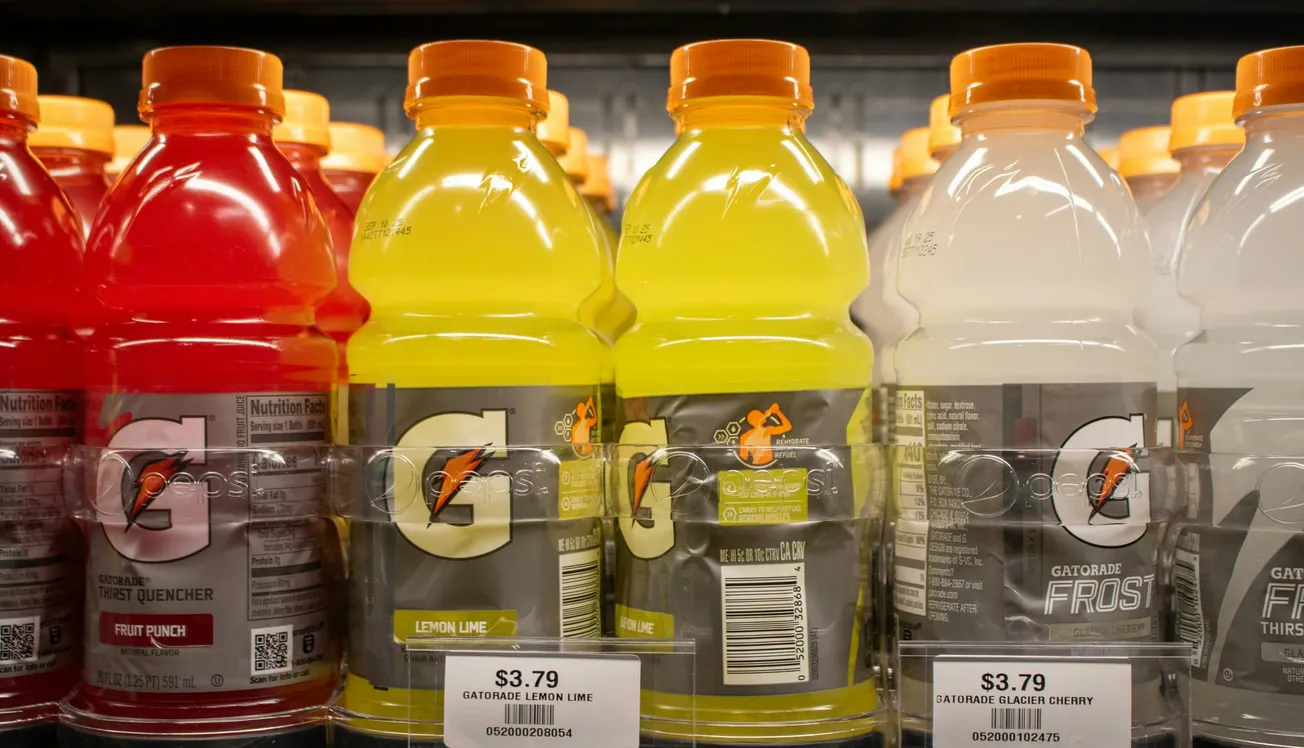
PepsiCo has announced a transformational era for Gatorade, its flagship sports nutrition brand, as it seeks to stabilize market share and adapt to the evolving demands of the modern consumer. The multi-pronged strategy includes a visual rebranding, the introduction of the "Gatorade Advanced Hydration System," and a significant commitment to removing FD&C artificial colors from its product portfolio. This move comes as the sports drink category faces increasing pressure from "better-for-you" entrants and shifting shopper behaviors in the omnichannel retail space.
Strategic Portfolio Restructuring
The cornerstone of the refresh is the Gatorade Advanced Hydration System, a new portfolio structure designed to simplify consumer decision-making. As the omnichannel shopper journey becomes increasingly complex, Gatorade is utilizing clearer packaging and benefit messaging to help shoppers understand how specific products "Hydrate Better, Faster, or Longer" than water.
According to Mike Del Pozzo, President of U.S. Beverages at PepsiCo, the brand is expanding its expertise beyond the traditional "game day" occasion to capture "everyday wellness and performance moments." This includes a national rollout of Gatorlyte Longer Lasting, which features a proprietary electrolyte blend designed for extended hydration during demanding work shifts or long travel days.
Responding to Clean-Label Demands
In a direct response to growing consumer scrutiny regarding synthetic ingredients, Gatorade is phasing out artificial dyes. The brand has already launched "Gatorade Lower Sugar," which contains 75% less sugar than the original Thirst Quencher and contains no artificial flavors, sweeteners, or colors.
The transition will accelerate throughout 2026. By this spring, Gatorade plans to remove all artificial colors from its full powder stick portfolio. This fall, three of the brand's primary ready-to-drink (RTD) flavors—Fruit Punch, Lemon Lime, and Orange—will transition to colors derived from fruits and vegetables. This shift is a critical component of Gatorade's efforts to remain relevant in a market where brands like Prime and BodyArmor have successfully leveraged "cleaner" ingredient labels to attract younger demographics.
Market Dynamics and Retail Impact
The U.S. sports and performance drink market reached an estimated $20 billion in sales in 2025, according to Mintel. While Gatorade maintains its position as the market leader, the rise of performance-focused energy drinks and functional waters has led to a more fragmented landscape.
For retail stakeholders and vendors in the Bentonville ecosystem, this rebranding signals a shift in how major CPG (Consumer Packaged Goods) brands approach shelf-space and digital merchandising. By aligning its product tiers with specific hydration "needs" rather than just flavors, Gatorade is attempting to optimize its presence across both physical aisles and e-commerce platforms.
Innovation for the Omnichannel Shopper
The rebranding also introduces "Gatorade Lower Sugar" in multiple formats to meet the convenience needs of the modern shopper. The product is now available at major retailers and on Gatorade.com, targeting the 150 million Americans who report experiencing mild to moderate dehydration weekly.
As Gatorade implements these changes, the focus remains on maintaining the "bold color" consumers associate with the brand while utilizing natural alternatives. This technical challenge highlights the supply chain adjustments required to source natural colorants at the scale necessary for a global leader. For industry professionals, Gatorade’s makeover serves as a case study in how legacy brands must balance heritage with the rapid innovation required to lead in the omnichannel era.
More about PepsiCo:
 Staff Report
 Staff Report
 Staff Report