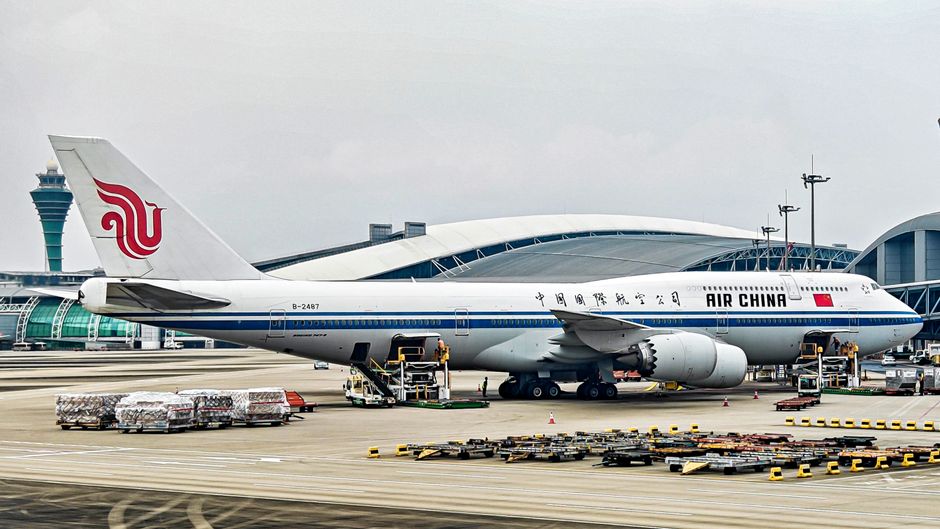
FedEx and China Southern Forge Strategic Alliance for Global Air Logistics
This strategic collaboration highlights ongoing efforts by major logistics players to optimize global supply chain efficiency. Understanding this partnership offers critical insights for professionals navigating complex international freight and cross-border e-commerce demands.
Strategic Alliance for Global Connectivity
FedEx and China Southern Air Logistics have formalized a Strategic Memorandum of Understanding (MOU) to integrate network resources. This alliance aims to bolster global supply chain and route connectivity, addressing the evolving needs of international commerce.
The agreement focuses on five key areas: cargo space, routes, fleet, operations, and digitalization. This comprehensive approach seeks to establish Guangzhou, China, as a pivotal international air cargo hub, enhancing capacity and reach for global logistics operations.
Optimizing Air Logistics and Network Efficiency
Industry experts view this partnership as a logical strategic move for FedEx, which already operates a significant hub at Guangzhou Baiyun International Airport (CAN). Derek Lossing, founder of Cirrus Global Advisors, emphasized the benefits of partnering with an airline already established with fleet and pilots in the region.
The CAN hub is critical for both intra-Asia and international express package and freight shipments, boasting an hourly sorting capacity of 36,000 packages. This collaboration could enable FedEx to acquire blocks of capacity, deeply integrating hubs for reliable speed and connection times, similar to strategies employed by other global integrators.
This memorandum aligns with FedEx's broader corporate strategy to optimize its air cargo network. The company introduced its "Tricolor" redesign in 2023 to better match capacity with demand, focusing its own fleet on priority volumes while leveraging third-party providers for less urgent shipments, and has recently cut air cargo capacity between Asia and the Americas to align with trade demand.
Implications for Cross-Border Trade and Omnichannel Fulfillment
The enhanced network efficiency from this partnership directly benefits global cross-border logistics, particularly for shippers sending goods from the U.S. to Southeast Asian countries. Such shipments are now more likely to leverage the integrated hubs in Guangzhou for streamlined transit and improved delivery times.
For omnichannel retail businesses, faster and more reliable air freight connections are essential for meeting customer delivery expectations and managing inventory across international markets. This agreement underscores the continuous evolution in logistics technology to support seamless global commerce and enhance the customer journey.
Improved air cargo network robustness can mitigate disruptions, offering greater supply chain resilience in a dynamic global trade environment. This strategic move by FedEx and China Southern Air Logistics will undoubtedly shape future international freight movements and enhance global market access.
Conclusion
The collaboration between FedEx and China Southern Air Logistics marks a significant development in global air logistics. It promises enhanced connectivity, greater operational efficiency, and a strengthened position for Guangzhou as a vital international air cargo gateway, benefiting global supply chains and trade worldwide.