Carvana Disrupts New Vehicle Sales with Innovative Omnichannel Strategy
The evolving digital landscape continues to reshape consumer behaviors, driving retailers to innovate their approach to the shopper journey. Carvana, a prominent online used car retailer, is now applying its digital-first strategy to the new vehicle market, creating a distinct omnichannel retail model that promises to demystify traditional car buying for consumers and industry professionals alike.
This strategic move, currently being tested in locations like Dallas, could significantly impact the established franchised dealership model by offering a seamless, tech-driven alternative. Understanding Carvana's novel approach provides invaluable insight into the future of automotive retail and broader omnichannel integration.
Carvana's Digital-First Approach to New Car Sales
Carvana is extending its proven online sales model for used vehicles to the new car market, leveraging its digital platforms as the primary point of transaction. This strategy fundamentally differentiates Carvana from traditional dealerships, where in-person sales remain central. Every new vehicle sale, whether initiated in-store or remotely, is ultimately completed online, reinforcing a consistent customer experience.
Unlike conventional dealerships that focus on high-pressure sales environments, Carvana's physical locations are reimagined as "playgrounds" or test-drive centers. These hubs facilitate the omnichannel experience, allowing consumers to explore vehicles and make purchase decisions through digital tools without traditional sales haggling.
Redefining the Dealership Experience
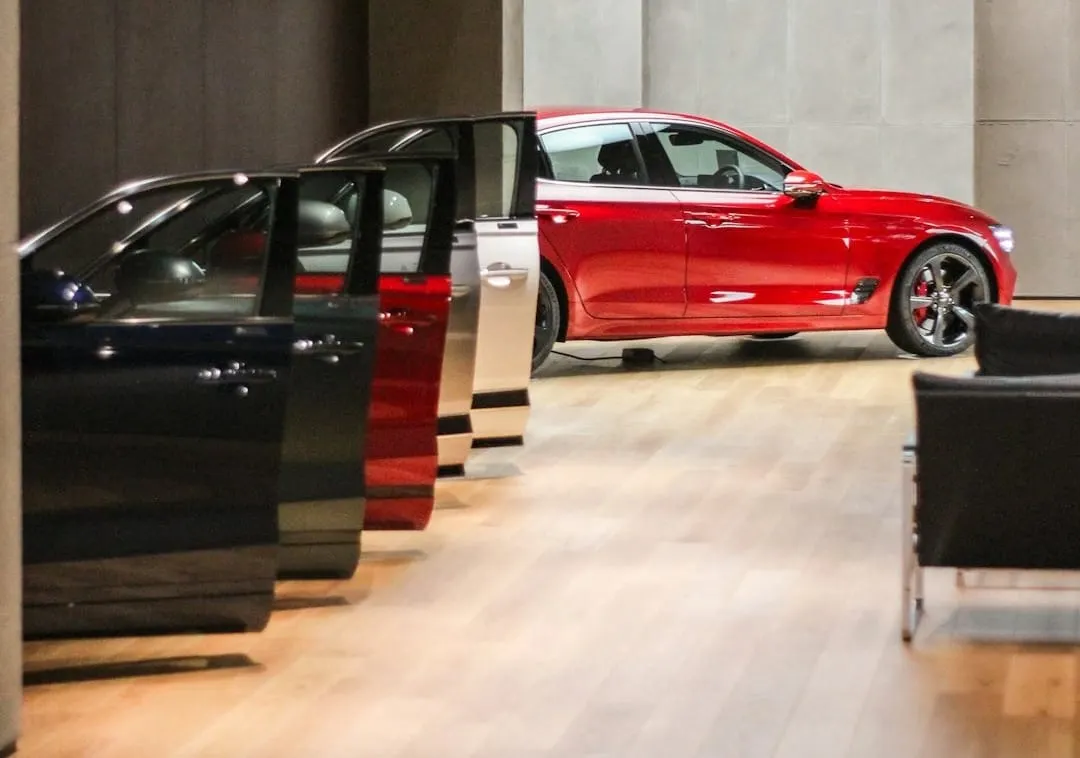
Carvana’s Dallas facility, for example, represents a significant departure from standard automotive retail layouts. Instead of cubicles and sales offices, the space features comfortable couches and chairs, promoting a relaxed, self-guided customer journey. Employees are paid hourly to assist customers, shifting the focus from commission-driven sales to transparent customer support.
Interactive QR codes on 10-foot-by-10-foot screens and on display vehicles allow shoppers to customize products, learn features, and arrange test drives independently. The facility also showcases themed brand displays for Stellantis vehicles, creating an engaging environment for customers to interact with various models, enhancing the overall omnichannel connection.
Operational Innovations and Supply Chain Dynamics
Integrating new vehicle sales into Carvana's existing logistics network presents unique operational considerations. While display vehicles are available for immediate test drives, the breadth of new vehicle configurations means customers may not always find their exact desired model on-site, a contrast to the large inventories typically maintained by traditional dealers. Carvana is actively learning to optimize inventory to match consumer demand for new models, leveraging insights from its used car operations.
Furthermore, Carvana plans to operate its service departments in a traditional manner, adhering to manufacturer standards while maintaining its core principles of transparent and "hassle-free" customer experience. Financing options for new vehicles currently mirror those for used cars, with Carvana offering direct financing or cash purchases, though future integration with automaker financial services or leasing options remains a possibility to further streamline the shopper journey.
Industry Impact and Future Outlook for Automotive Retail
Carvana's corporate strategy in acquiring Stellantis franchised dealerships, spending approximately $171 million on initial acquisitions, signals a long-term commitment to disrupting the new vehicle market. This move could catalyze a ripple effect across the broader U.S. franchised dealership model, valued at over $1.3 trillion annually, by demonstrating a viable alternative to established sales practices (Source: CNBC).
Stellantis views Carvana as a corporate owner operating under the same standards as other large publicly traded dealer groups, acknowledging its unique approach to online integration (Source: CNBC). This partnership highlights the increasing importance of technology and flexible consumer-centric models in the automotive sector. As Carvana continues to refine its new vehicle operations, its success will offer critical lessons for other retailers navigating the complexities of omnichannel engagement and supply chain optimization in a rapidly changing market.