The Misplaced Focus on Frictionless Checkout
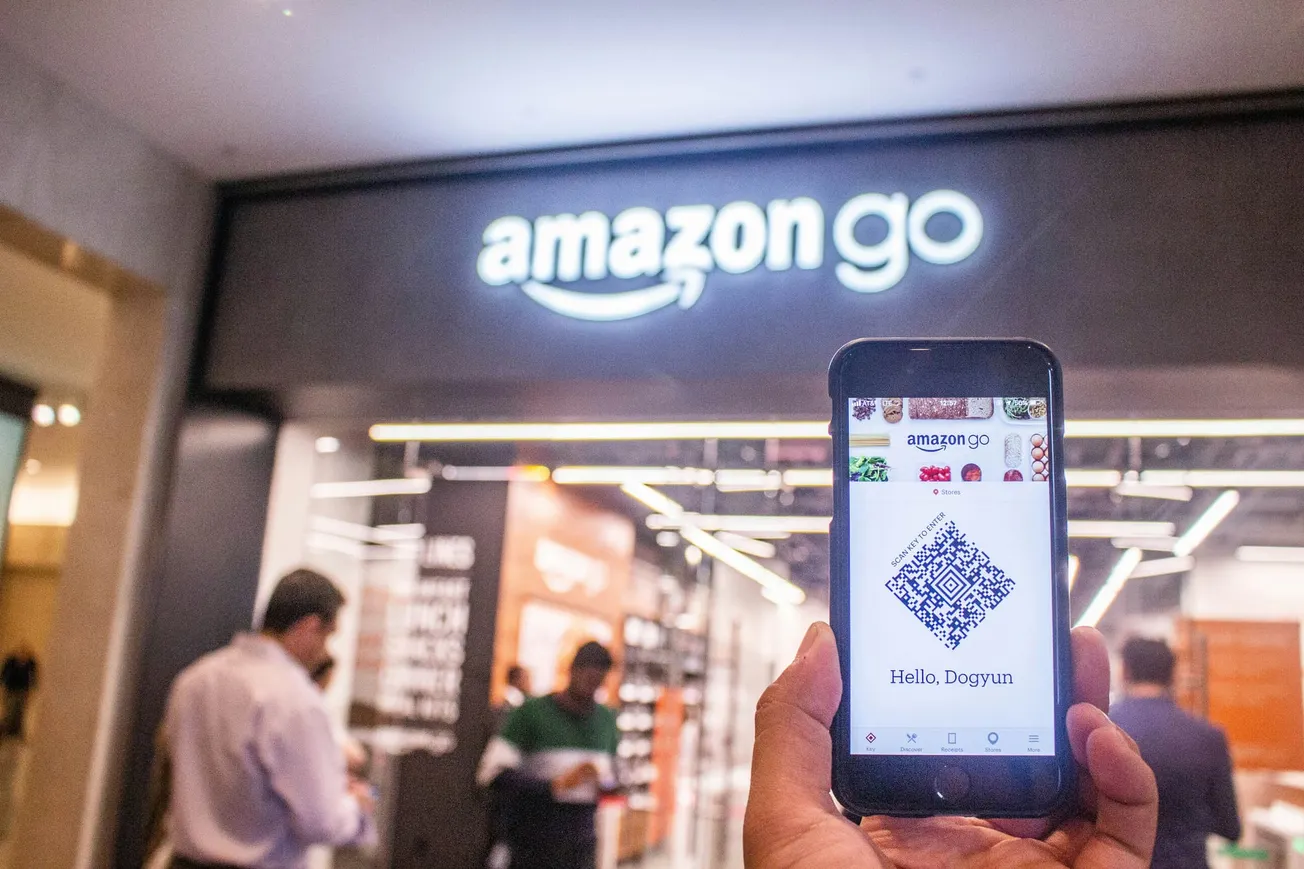
In the current retail discourse, much of the oxygen is consumed by the debate over automated checkout systems. From "Just Walk Out" technology to smart carts, the industry has obsessed over the final ten feet of the shopper journey. However, as Michelle Evans recently highlighted in Forbes, this focus may be missing the more significant structural reset occurring in the industry. While the checkout determines who owns the transaction, artificial intelligence (AI) is now determining who owns the discovery phase.
For the Bentonville business ecosystem—where thousands of suppliers compete for digital and physical shelf space—the shift from transactional AI to discovery AI represents a fundamental change in how brands must engage with consumers. The real battleground in 2026 is not how a shopper pays, but how they are guided to a product in a world of infinite choice.
From Search Bars to Generative Discovery
The traditional search bar is rapidly being replaced by generative AI interfaces that act as personal shopping assistants. In the legacy model, a consumer might search for "high-protein snacks." In the new AI-driven model, a shopper provides a prompt: "I’m training for a marathon and need portable, shelf-stable snacks that fit a gluten-free diet and ship within two days."
This shift from keyword-based search to intent-based discovery changes the requirements for product metadata and digital content. For brands, it is no longer enough to win on SEO keywords; they must now optimize for "Generative Engine Optimization" (GEO). This requires a deep understanding of how AI models categorize and recommend products based on complex consumer needs rather than simple search terms.
The Rise of Non-Traditional Retailers
As AI takes hold of search and discovery, platforms that were not originally designed for commerce are becoming the primary gateways to purchase. Social media platforms like TikTok and content hubs like Netflix are increasingly integrating retail capabilities, leveraging AI to match content consumption with shopping opportunities.
This "shopification" of everything means that the consumer journey no longer starts at a retailer's homepage. It starts in the "discovery layer" of the internet. For the global supply chain, this necessitates a more agile response to trends. When an AI-driven viral moment occurs on a content platform, the lead time between discovery and demand spikes can be measured in hours, not weeks.
The Structural Reset of 2026
The retail industry is currently navigating three major trends that indicate a complete structural reset:
- AI as the Primary Interface: Shoppers are increasingly relying on AI agents to filter options and make decisions.
- The Convergence of Content and Commerce: Product discovery is becoming a byproduct of entertainment and social interaction.
- Precision over Mass Marketing: AI allows for a level of personalization that renders traditional broad-reach advertising less effective.
Winning in this environment requires a different playbook than the one retailers relied on even a few years ago. It requires a move toward "decision intelligence," where data is used not just to report on what happened, but to predict and influence the next discovery moment.
The Bentonville Advantage in a Discovery-First World
Bentonville is uniquely positioned to lead this shift. As the home to the world’s leading retailer and a dense network of marketing agencies and shopper experts, the region has the collective intelligence to demystify these AI-driven barriers. The collaboration between technology innovators and supply chain experts in Northwest Arkansas is essential for creating an ecosystem that supports this new era of retail.
By focusing on the discovery phase, brands can ensure they are part of the initial consideration set. In a world where AI can curate a shopper's entire experience, being "discoverable" is the new prerequisite for being "purchasable."