
Apple Inc.’s 2026 Environmental Progress Report reveals a complex picture of the tech giant’s journey toward carbon neutrality. While the company and its global supply chain have made historic strides in renewable energy capacity and water conservation, total greenhouse gas emissions have hit a plateau.
As Apple pushes toward its "Apple 2030" goal—becoming carbon neutral across its entire value chain by the end of the decade—the data suggests that clean energy investment alone may no longer be enough to bridge the remaining gap.
Record-Breaking Renewable Energy Gains
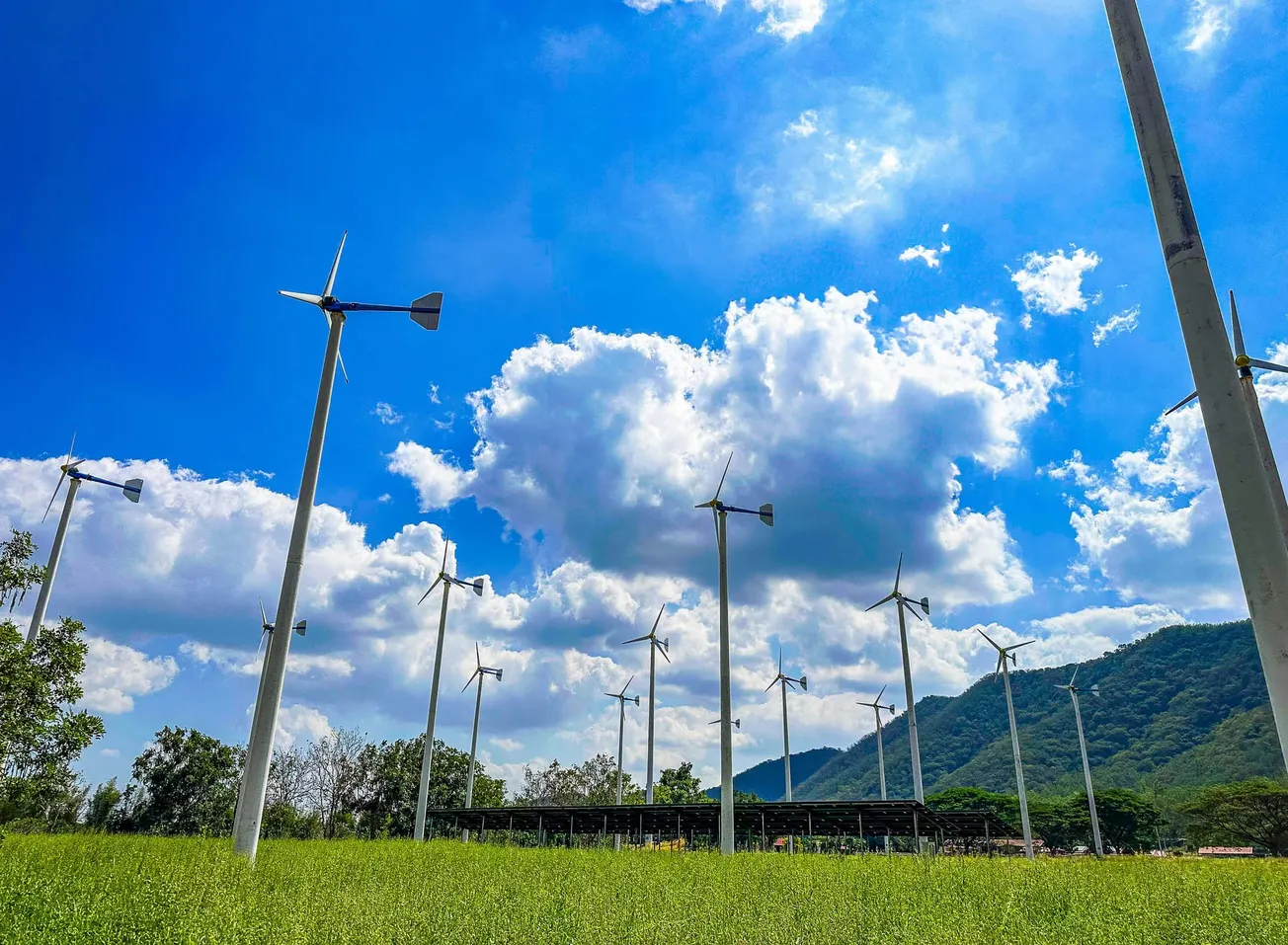
The report highlights a massive expansion in green power. In 2025 alone, Apple’s direct manufacturing partners brought online more than 20 gigawatts of renewable energy. This expansion helped avoid more than 26 million metric tons of greenhouse gas emissions.
To achieve these numbers, suppliers utilized innovative procurement structures, sourcing energy directly from corporate entities in key markets like China, Japan, and South Korea.
Apple’s Supplier Code of Conduct is the primary driver of this shift, requiring the entire supply chain to transition to 100% renewable electricity for all Apple-related production before 2030. Since 2021, these efforts have successfully cut Apple’s gross manufacturing emissions by more than half, bringing the total down to 8.15 million metric tons of carbon dioxide equivalent.
The Emissions Plateau and Structural Challenges
Despite these gains, Apple’s total emissions remained unchanged from 2024 to 2025. While the company has achieved a 60% reduction in greenhouse gas emissions compared to its 2015 baseline, it still needs to shave off another 15 percentage points to reach its 75% reduction target (with the remainder to be addressed via high-quality carbon offsets).
Industry analysts suggest the plateau indicates that the "easy wins" of renewable energy transition have been largely exhausted. "The remaining 15 points sit in the portions of the footprint that clean energy investment alone cannot resolve," noted Carolina Milanesi, president of Creative Strategies. These "hard-to-abate" sectors include the emissions inherent in raw material extraction, chemical processing, and global logistics, where green alternatives are often more expensive or technologically limited.
Circular Economy Successes and Material Hurdle
Parallel to its energy goals, Apple is aggressively pursuing a circular supply chain. In 2025, 30% of all product materials were sourced from recycled or renewable origins. The company achieved 100% recycled sourcing for several priority materials, including gold, tantalum, cobalt for batteries, and tin solder for printed circuit boards.
However, the pursuit of a closed-loop system faces significant technical barriers. Contamination during the recycling process and the inherent complexity of recovering materials from sophisticated electronic waste streams remain primary obstacles. Furthermore, a lack of transparency in global material sourcing continues to challenge the verification of recycled content. On the waste management front, Apple’s Zero Waste Program has successfully diverted 4 million metric tons of waste from landfills since its inception in 2015, with 400 supplier facilities across 15 countries participating in the initiative.
Advocacy and the Path to 2030
To overcome the current stagnation, Apple is pivoting toward policy advocacy and deeper resource management. The company is actively calling for government policies that allow renewable energy to compete fairly with fossil fuels and subsidized power rates, particularly in regions where cost-effective green procurement remains a challenge.
In addition to energy and materials, water stewardship has emerged as a critical focus. Apple worked with its suppliers to save 17 billion gallons of freshwater in 2025, recognizing that climate resilience is inextricably linked to local resource security.
For Bentonville-based businesses and global retail leaders, Apple’s report serves as a reminder that the path to a regenerative supply chain requires a multifaceted approach, combining aggressive technology adoption with systemic policy shifts and rigorous material innovation.
More about Apple:
 Staff Report
 Staff Report
 Staff Report