

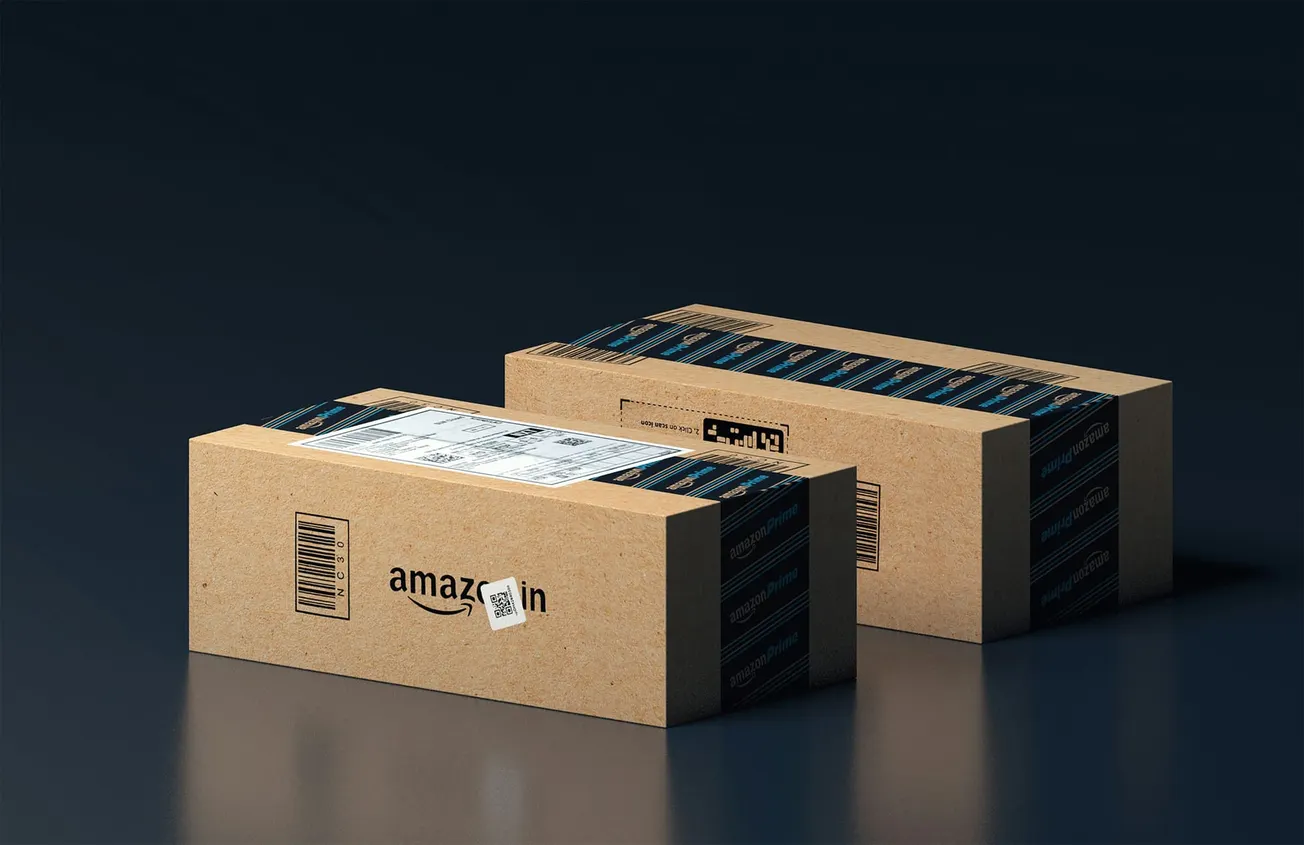
In a significant departure from its traditional mid-July schedule, Amazon has officially confirmed that its Prime Day 2026 event will take place in June. This strategic shift, announced alongside the company's Q1 2026 earnings report, marks the first time since 2021 that the e-commerce giant has moved its flagship sales event into the second quarter.
For the global retail ecosystem and the thousands of vendors anchored in the Bentonville business community, the announcement triggers an immediate acceleration of inventory and marketing timelines.
Strategic Timing and Competitive Posturing
The decision to move Prime Day up by approximately three weeks is widely viewed as a tactical maneuver to capture summer spending early and front-run the promotional cycles of major competitors. By shifting to June, Amazon effectively positions itself ahead of traditional "July 4th" sales and preempts mid-summer events like Walmart+ Week and Target Circle Week.
Industry analysts suggest that the move also serves as a strategic hedge against potential macroeconomic shifts. With Q3 2026 posing risks of tariff-driven price increases and supply chain bottlenecks, securing high-volume sales in June allows Amazon to clear inventory and lock in consumer loyalty before the back-to-school season hits its peak. This earlier window also aligns with evolving shopper behaviors, as consumers increasingly initiate summer and travel-related purchasing in late Q2.
 Ashton York
Global Scale and Logistics Demands
Prime Day 2026 is set to be a massive undertaking, spanning 26 countries, including the United States, United Kingdom, Canada, and several emerging markets in the Middle East and Europe. While specific dates have not been finalized, internal leaks and market projections point toward a potential four-day event beginning as early as June 23.
The logistical implications are profound. For Northwest Arkansas-based suppliers and logistics providers, the shortened preparation window means that FBA (Fulfillment by Amazon) inventory must arrive at distribution centers by early June. This "compressed spring" puts additional pressure on the global supply chain, which is already managing a 17% increase in Amazon's overall sales volume from the previous quarter.
Technology and the Omnichannel Experience
Amazon is doubling down on its "fastest speeds ever" narrative, highlighting that members saved over 55 hours in travel time to physical stores last year due to rapid home delivery. The June event will serve as a showcase for Amazon’s latest AI-driven fulfillment technology, which aims to further reduce the time between a customer's click and the final delivery at their doorstep.
From an omnichannel perspective, the shift forces a re-evaluation of retail media spend. Brands will need to front-load their PPC (pay-per-click) budgets to early June, where CPC (cost-per-click) rates are expected to spike by 40% to 60% during the event window. This creates a highly competitive environment for marketing agencies and shopper marketing experts who must now pivot strategies originally designed for a July peak.
Staff Report
Implications for Bentonville Stakeholders
For the thousands of vendors and agencies in the Bentonville area, the move to June is a reminder of the volatility of the digital landscape. Success in the current retail climate requires a level of strategic agility that can accommodate sudden shifts in the "big-box" and e-commerce calendar.
As Amazon prepares to activate its massive member base a month early, the rest of the industry—from logistics hubs to digital marketing firms—must synchronize their operations to match the new pace of the summer sales season. The move is not just a change of date; it is a fundamental shift in the timing of global trade and consumer demand.