
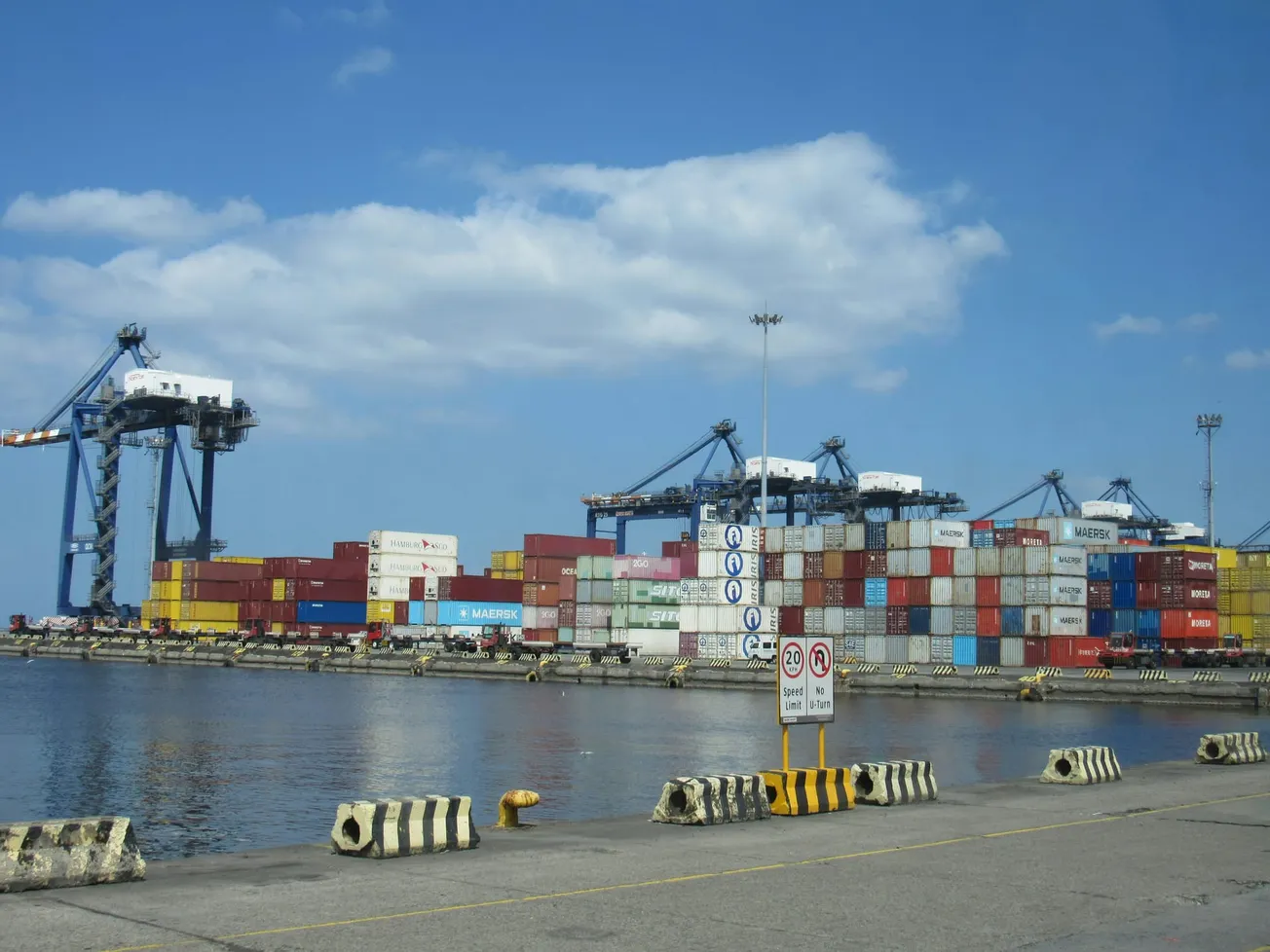
As geopolitical tensions escalate in the Middle East, the Port of Los Angeles remains a critical anchor for global trade. During a media briefing on Monday, April 14, 2026, Executive Director Gene Seroka characterized the ongoing Iran war as "a concern, but not a worry" for West Coast operations. Despite the conflict entering its second month and causing significant disruptions to global oil trade and maritime routes, the primary transpacific artery between Asia and the United States continues to show resilience.
Current Volume Trends and Market Stability
The Port of Los Angeles processed 752,520 TEUs (Twenty-foot Equivalent Units) in March 2026. While this represents a 3% decrease compared to March 2025, the dip is attributed to a difficult year-over-year comparison. In early 2025, volumes were abnormally high as importers frontloaded cargo to get ahead of new tariff announcements from the Trump administration.
Current data from the Port Optimizer—the facility’s digital information portal—suggests an upward trend for the second quarter. April volumes are estimated to reach the 800,000 TEU range as retailers aggressively replenish seasonal inventory, specifically spring and summer fashion items. This steady flow indicates that while secondary routes are suffering, the direct trade lane from major Asian manufacturing hubs to San Pedro Bay remains largely unencumbered by the conflict.
Geopolitical Disruptions in the Strait of Hormuz
While the Los Angeles docks are busy, the global maritime landscape is under severe strain. The Strait of Hormuz remains heavily disrupted, with Seroka noting that more than 4,500 ships have been unable to pass through the critical waterway since the conflict began 40 days ago. The disruption has triggered extreme volatility in the oil market, though a two-week ceasefire provided a brief window of stability.
However, diplomatic efforts to secure a long-term resolution have faced significant hurdles. Recent negotiations between U.S. and Iranian officials stalled over the weekend. Dr. Jerrold Green, a senior fellow at the UCLA Burkle Center for International Relations, described the diplomatic friction as an "oil and fire" dynamic, noting a fundamental disconnect in negotiating styles between Washington’s desire for rapid deal-making and Tehran’s preference for a protracted, deliberate approach.
Strategic Outlook for Omnichannel Retailers
For the thousands of vendors and retail stakeholders based in Bentonville, the stability of the Port of Los Angeles is a vital component of the omnichannel supply chain. As companies navigate "peak ambiguity" in 2026, the reliability of West Coast ports allows for more accurate inventory planning and fulfillment execution.
However, Seroka warned that the broader "supply chain web" will take months to untangle once the conflict eventually subsides. The Port of Los Angeles is proactively coordinating with overseas ports to monitor for potential "cargo buildup" at foreign terminals. If ripple effects from the Middle East begin to clog transshipment hubs in Asia, the impact could eventually reach the U.S. West Coast in the form of irregular vessel arrivals and equipment imbalances.
As the industry moves toward the peak shipping season, the focus remains on maintaining the "velocity of cargo" that Seroka has championed throughout his tenure. For now, the Port of Los Angeles stands as a beacon of operational stability in an increasingly volatile global landscape.
More about the Iran conflict:
 Staff Report
 Staff Report
 Staff Report