

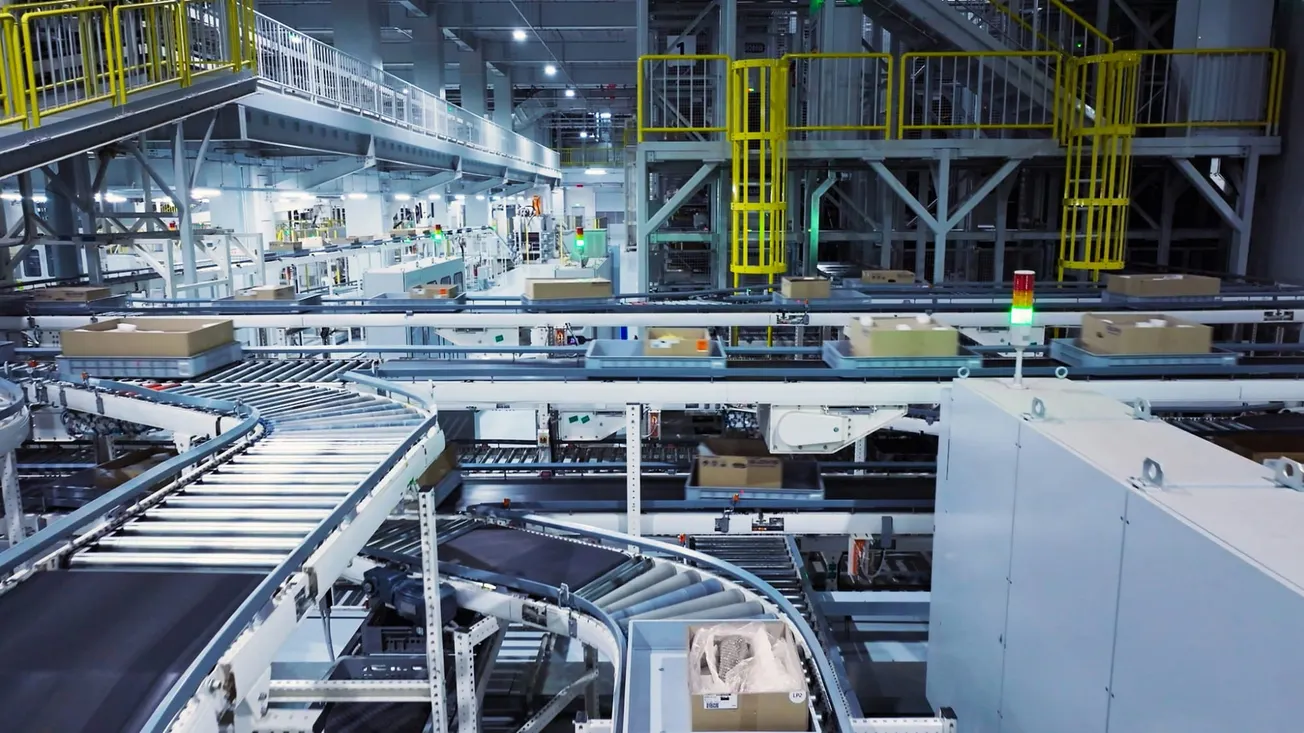
UPS Accelerates "Smart Package" Strategy with Nationwide RFID Expansion
In a significant move to modernize the global logistics landscape, United Parcel Service (UPS) has announced a major expansion of its radio frequency identification (RFID) sensing technology. This initiative, part of the carrier’s broader "Network of the Future" strategy, aims to equip the majority of its U.S. hubs with advanced sensors starting in late 2026.
The shift from traditional manual barcode scanning to automated "sensing" is expected to eliminate nearly 20 million manual scans daily, fundamentally altering how packages move through the supply chain.
Transitioning from Scanning to Sensing
For decades, the logistics industry has relied on hand-held barcode scanners to track shipments—a process pioneered by UPS in the early 1990s. However, manual scanning is labor-intensive and prone to human error. By embedding RFID tags directly into package labels and installing sensors in loading bays and delivery vehicles, UPS is creating a system where packages are "sensed" automatically as they move past critical checkpoints.
This technological pivot is not merely about speed; it is about precision. According to Supply Chain Dive, the expansion includes rolling out RFID label-printing capabilities for customers throughout 2026 and 2027. This allows for automated scans at the very moment of pickup, providing shippers with real-time visibility much earlier in the fulfillment cycle. For retail leaders in Bentonville, this level of granular data is essential for managing lean inventories and meeting the high expectations of the modern omnichannel shopper.
Operational Efficiency and Cost Management
The financial and operational implications of this rollout are substantial. UPS has already invested over $100 million in RFID development, and the current expansion is designed to drive massive productivity gains. Automated facilities equipped with this technology have shown a 28% lower cost per piece compared to conventional buildings. As the carrier faces a dynamic labor market and shifting volume from major partners like Amazon, these efficiency gains are critical to maintaining its competitive edge.
The technology also serves as a safeguard against "misloads"—packages placed on the wrong truck. RFID sensors can instantly detect a mismatched tag and alert handlers in real-time, significantly reducing the cost of corrected deliveries and improving service reliability. This proactive error-correction is a cornerstone of the company’s corporate strategy to "woo" high-volume enterprise shippers who prioritize reliability above all else.
The Omnichannel Impact
For the retail community, the UPS RFID expansion addresses a primary barrier in omnichannel commerce: the "black hole" of transit visibility. As retailers integrate physical store inventories with digital sales, knowing exactly when a return is back in the system or when a high-value shipment enters a hub is vital.
Currently, all 5,500 The UPS Store locations are already utilizing RFID for millions of daily shipments, including customer returns. The expansion to broader commercial shipping means that the same level of transparency enjoyed by small-scale consumers will now be available across the entire enterprise supply chain.
Global Outlook and Competitive Landscape
While the current focus is on the U.S. network, UPS leadership has indicated that international deployment is the next phase of the strategy. This global vision positions UPS as a leader in "smart" logistics, though rivals like FedEx are also making strides in AI-driven sensor technology and robotics.
The move toward a fully sensed network represents the most significant visibility advancement in the logistics industry in over a decade. By removing the friction of manual labor from the tracking process, UPS is not just delivering packages; it is delivering a data-rich environment that allows businesses to react faster to weather disruptions, supply shortages, and shifting consumer demands. For the Bentonville business ecosystem, where the intersection of technology and retail is a way of life, the UPS RFID expansion provides a clear roadmap for the future of the global supply chain.
More about UPS:
 Staff Report
 Staff Report
 Dan Craft