
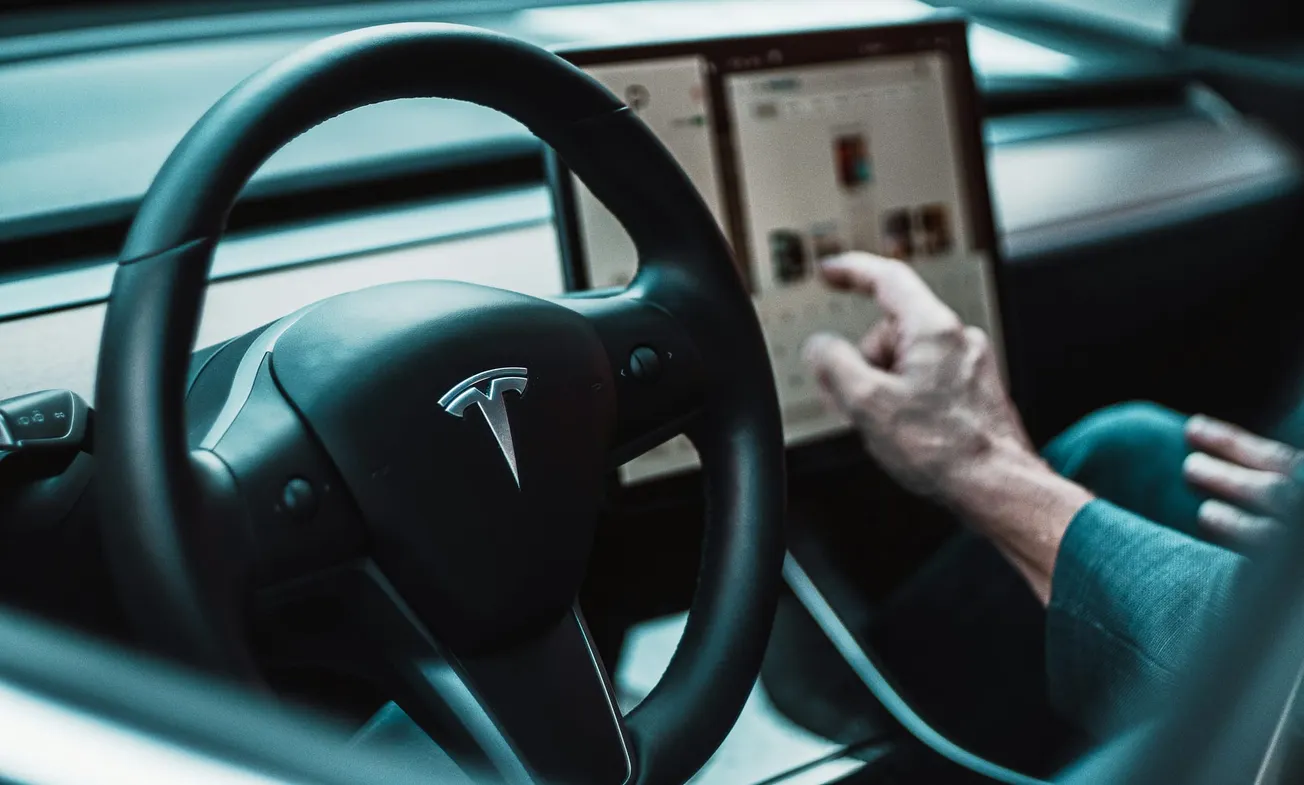
For years, the promise of a car that could drive itself while its owner slept or read the news was the cornerstone of Tesla’s market dominance. However, in April 2026, that vision is facing a reckoning as a wave of consumer revolts and high-stakes lawsuits threaten to dismantle the narrative surrounding "Full Self-Driving" (FSD).
From the courtrooms of California to the regulatory hubs of the Netherlands, Tesla owners are transitioning from early adopters to active litigants, claiming the company has sold a future it cannot physically deliver.
For the Bentonville business community—a region deeply invested in the intersection of autonomous logistics and consumer technology—the Tesla litigation serves as a critical case study in the risks of marketing emerging technology before the hardware is ready to support the vision.
The Hardware 3 Crisis and the Admission of Limitation
At the heart of the current revolt is a fundamental technological bottleneck: Hardware 3 (HW3). For years, CEO Elon Musk assured buyers that every Tesla produced since 2016 contained the "full self-driving hardware" necessary for complete autonomy via software updates. However, in early 2025, Musk admitted on an earnings call that the approximately 4 million vehicles equipped with HW3 would likely need physical computer replacements to achieve promised levels of unsupervised driving.
The frustration peaked last week when Tesla launched "v14 Lite" for older vehicles—a stripped-down version of its latest AI software. Owners who paid up to $15,000 for FSD packages now find themselves with a "reduced capability" variant, while newer vehicles with Hardware 4 (HW4) receive the full suite of autonomous features. This hardware disparity has triggered a mass mobilization of owners who feel they have been left behind by the very company they championed.
Global Legal Fronts: The $14.5 Billion Liability
The scale of the "revolt" is now being measured in billions of dollars. In the United States, a federal judge in California recently certified a massive class-action lawsuit, In re Tesla Advanced Driver Assistance Systems Litigation. Lead plaintiff Thomas LoSavio, who paid $8,000 for FSD software nine years ago, alleges that Tesla engaged in a "scam" by charging thousands for a product that still does not exist in an unsupervised form.
The legal pressure is not confined to the U.S.:
- The Netherlands: A collective claim involving nearly 3,000 verified participants was launched in mid-April 2026. Dutch owners are demanding refunds of approximately €6,800 ($7,500) each, citing local regulations and hardware limitations that have made FSD unusable on older Model 3 units.
- Australia: A similar class-action case has been assembled, accusing Tesla of misleading marketing regarding the cars' capabilities in complex roadway scenarios.
- California DMV: A December 2025 ruling found Tesla’s use of the term "Full Self-Driving" to be "unambiguously false," a decision Tesla is currently fighting in court.
Strategic Implications for the Omnichannel Ecosystem
The Tesla situation offers profound lessons for the retail and supply chain leaders in Northwest Arkansas who are currently piloting autonomous delivery vans and AI-driven inventory systems. The transition from "assisted" to "autonomous" is as much a legal and psychological journey as it is a technical one.
- The "Corporate Puffery" Defense: Tesla’s lawyers have argued in court that Musk’s predictions were "vague statements of corporate optimism" and not objectively verifiable. For leadership in any industry, this highlights the danger of "visionary" marketing that outpaces engineering reality. In the retail world, overpromising on delivery times or AI-driven personalization can lead to similar erosions of brand trust.
- Infrastructure Obsolescence: The HW3 crisis proves that in the world of high-tech logistics, hardware is often the weakest link. Companies investing in autonomous fleets must account for the reality that physical components may become obsolete long before the software reaches its full potential.
- Consumer Trust as a Currency: Tesla built its brand on the promise of continuous improvement through software. By failing to provide a clear upgrade path for HW3 owners, the company has weakened the foundation of that trust.
The Future of Full Self-Driving (Supervised)
As Tesla continues to face investigations from the National Highway Traffic Safety Administration (NHTSA) over traffic violations and crashes, the company has quietly shifted its website language to "Full Self-Driving (Supervised)." This rebranding acknowledges that a human driver must remain attentive at all times—a far cry from the "robotaxi" future many owners believed they were purchasing.
The lesson is clear: Demystifying advanced technology requires transparency about its current limitations. As we look toward the future of omnichannel retail, the success of autonomous systems will depend on delivering reliable, verifiable results today, rather than selling the unfulfilled promises of tomorrow.
More about Tesla:
 Staff Report
 Staff Report
 Staff Report