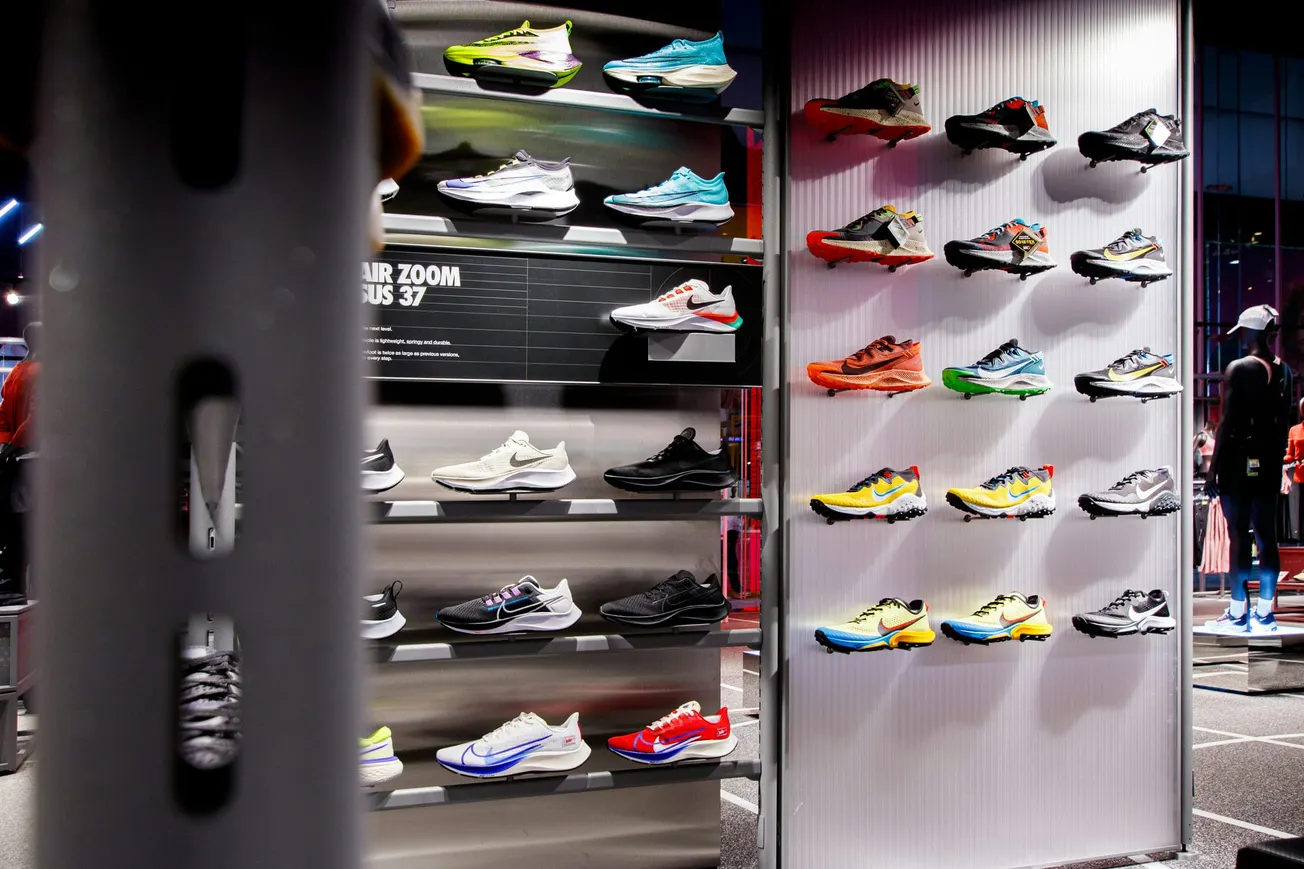
The trajectory of Allbirds, once the darling of the direct-to-consumer (DTC) sustainable footwear movement, has reached a definitive turning point. Following years of financial volatility and a struggling stock price, the company has been acquired by Newbird, an entity backed by private equity and retail turnaround specialists. This acquisition marks the end of Allbirds’ run as an independent public company and signals a drastic shift toward an AI-integrated business model aimed at reclaiming its original "comfort and sustainability" ethos.
The rise and fall of Allbirds serves as a cautionary tale of overextension and the challenges of scaling a niche brand into a global powerhouse without maintaining a rigid focus on core product-market fit.
The Path to Acquisition: From Unicorn to "Eating Crow"
Allbirds launched with a single product—the Wool Runner—and quickly achieved unicorn status by tapping into the consumer's desire for minimalist design and eco-friendly materials. However, post-IPO, the brand faced mounting pressure to deliver consistent growth. This led to a series of strategic pivots that many analysts believe diluted the brand's identity, including an expansion into technical performance wear and apparel that failed to resonate with its core audience.
The company’s "downfall" was characterized by high customer acquisition costs and a brick-and-mortar expansion strategy that proved difficult to sustain.
According to Retail Dive, the brand’s struggles were exacerbated by a lack of product innovation and a failure to stay ahead of the very sustainability trends it helped pioneer. The acquisition by Newbird is seen as a necessary "reset" to save the brand from insolvency.
The Newbird Strategy: AI and Operational Leanness
The new ownership is not merely seeking to stabilize the brand but to fundamentally reinvent how it interacts with the omnichannel market. Central to the Newbird strategy is a heavy investment in artificial intelligence to drive every aspect of the business—from supply chain forecasting to personalized consumer marketing.
- AI-Driven Inventory Management: By utilizing predictive algorithms, Newbird aims to solve the overstocking issues that plagued Allbirds in recent years. This technology will allow the brand to align production more closely with real-time demand, a critical component of successful omnichannel retail.
- Personalized Marketing at Scale: Newbird plans to leverage generative AI to create hyper-personalized shopping experiences. For a brand that relied heavily on social media and digital engagement, the ability to automate high-touch customer interactions could significantly lower the cost of retention.
- Product Simplification: Initial reports indicate that Newbird will "edit" the product catalog, likely cutting the underperforming apparel lines to refocus on the footwear heritage that built the brand.
Strategic Lessons for the Bentonville Community
The Allbirds saga provides valuable insights for the thousands of vendors and brand managers operating out of Northwest Arkansas. As retail leaders in Bentonville prioritize omnichannel integration, the Allbirds experience highlights three critical pillars:
- Focus on Core Competencies: Brand extension is a powerful tool, but it must be backed by the same level of innovation and consumer trust as the flagship product. Allbirds’ move into leggings and activewear serves as a reminder that "brand permission" has its limits.
- The Importance of Profitability Over Growth: In the current economic climate, the "growth at all costs" model of early DTC brands is no longer viable. Investors and retail partners are prioritizing sustainable margins and operational efficiency.
- Technology as a Transformation Tool: The move by Newbird to integrate AI is not just a trend; it is a survival strategy. For legacy brands and startups alike, the ability to harness data to drive decision-making is the new baseline for competition.
The Future of Sustainable Retail
While Allbirds as an independent entity may have stumbled, the demand for sustainable, ethically sourced products remains high. The challenge for Newbird will be to maintain the "human touch" and authentic voice of the brand while implementing the clinical efficiency of an AI-driven platform.
As the omnichannel landscape continues to evolve, the industry will be watching to see if Allbirds can successfully pivot from a cautionary tale back into a leader of sustainable retail. This acquisition represents more than just a change in ownership; it is a test case for whether technology can truly resurrect a brand that lost its way in the complexities of the modern supply chain.
More about clothing:
 Staff Report
 Andy Wilson
 Dan Craft