
In today's rapidly evolving digital landscape, the modern shopper journey demands seamless and interconnected experiences across all touchpoints, defining true omnichannel retail. For platforms serving businesses, the integration of payment solutions has emerged as a critical differentiator, shaping customer retention and long-term profitability.
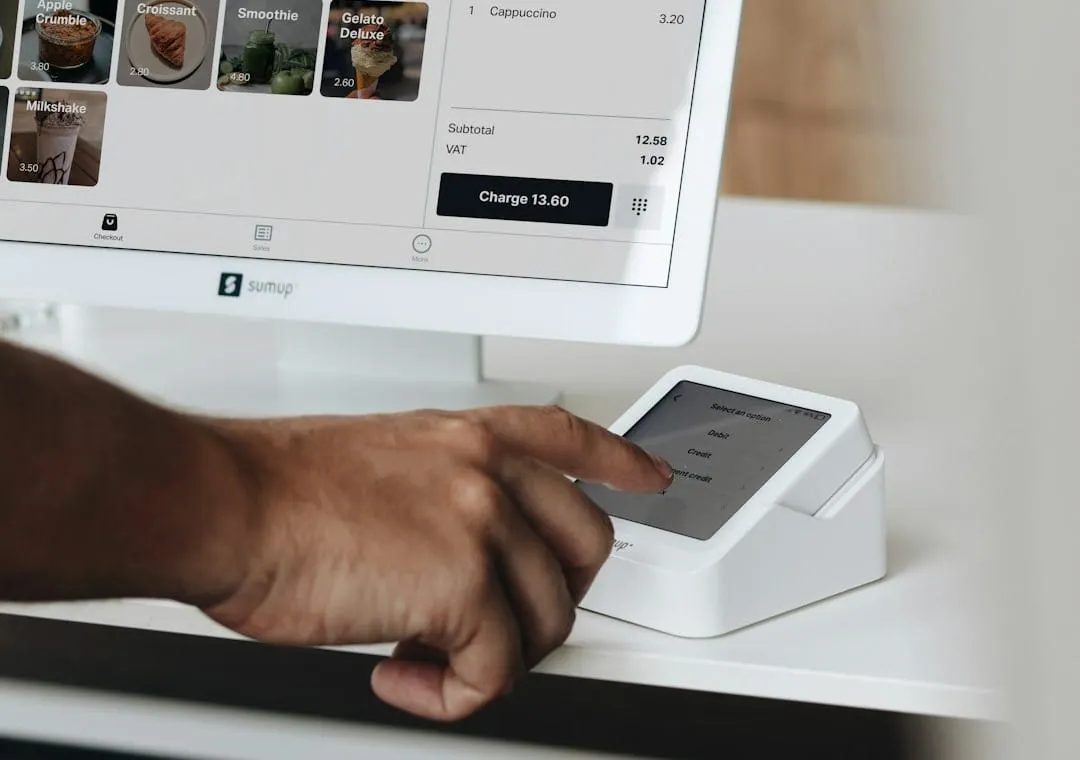
This strategic shift involves more than just processing transactions; it's about embedding payments deeply into the operational workflows, transforming them from a mere utility into a core component of the platform's value proposition. Industry leaders are recognizing that control over the payment process directly correlates with increased ownership of the customer relationship and enhanced data insights.
From Bolt-On to Embedded: The Customer Experience Divide
Many platforms historically relied on "bolt-on" payment solutions, which often forced users outside their native software environment to complete transactions. This fragmented approach introduces significant friction, leading to a disconnected customer experience and ultimately suppressing adoption rates.
Rachel Costello, Vice President of Platform Growth at Maverick Payments, highlights that such disconnections make payments feel like an add-on rather than an integral part of the platform's core value. Fragmented systems also scatter valuable data, complicate reporting, and limit control over pricing, eroding efficiency as platforms scale.
Unlocking Revenue and Retention through Integrated Workflows
Deeply embedding payments directly into daily operational workflows profoundly alters both the customer relationship and the platform’s revenue structure. When payments are tied to invoicing, subscriptions, or checkout processes, they become indispensable to business operations.
This integration significantly increases switching costs for users, strengthening customer retention and boosting lifetime value for the platform, as noted by Costello. Platforms can then participate in both software and payments revenue streams, moving beyond a single monetization model. Furthermore, the strategic implementation of unified APIs is central to this execution, aggregating access to various payment methods and banking relationships to reduce engineering complexity and support future expansion within the retail technology ecosystem.
Beyond Volume: Measuring True Payment Profitability
A common pitfall for many platforms is the sole reliance on gross payment volume as a metric for success, which often fails to paint a complete picture of portfolio health. This top-line figure can obscure underlying inefficiencies that erode margins over time.
Costello advocates for a deeper examination of merchant-level unit economics to truly understand profitability and identify areas for improvement. Platforms focusing on merchant adoption and the financial viability of individual customer segments are better positioned to translate embedded payments into sustainable revenue growth and strategic advantage within the global commerce landscape.
Payments as a Strategic Growth Engine
The distinction between leading platforms and laggards often lies in how they conceptualize payments within their broader corporate strategy. Some still view payments as a functional necessity, while others recognize them as a central product line capable of driving growth, retention, and superior customer experiences.
By aligning product development, go-to-market execution, and payment strategy, platforms can leverage embedded payments to reinforce their core value proposition. This strategic outlook is vital for any Bentonville business or industry leader aiming to advance omnichannel retail and navigate the complexities of digital transformation.
The Future of Platform-Led Commerce
- Platforms embracing embedded payments gain a significant competitive edge by enhancing the overall customer journey and operational efficiency.
- The move from bolt-on solutions to deep integration addresses critical pain points in customer experience and data fragmentation.
- A focus on merchant-level economics, rather than just transaction volume, is essential for sustainable growth and profitability in payment processing.