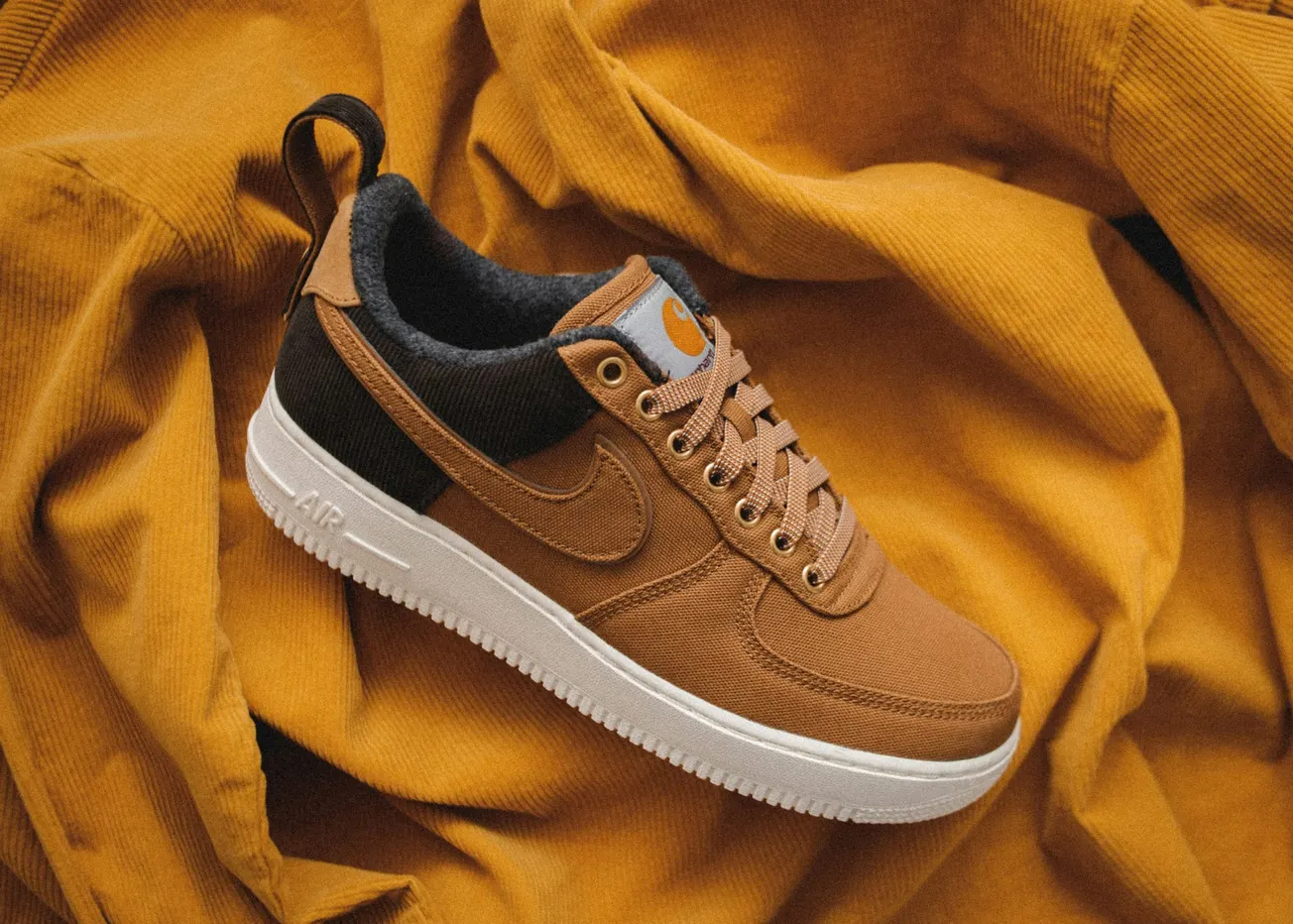
In a significant move to sharpen its competitive edge and refine its global infrastructure, Nike Inc. has announced a reduction of approximately 1,400 positions across its global operations.
This second major round of layoffs in 2026 marks a pivotal phase in the company’s "Win Now" action plan, a strategic initiative designed to simplify the organizational structure and accelerate long-term profitable growth.
The latest workforce reduction follows a previously announced cut of 775 distribution center roles in January, signaling a continued aggressive push toward automation and leaner operational models.
Strategic Shift Toward Technology and Precision
The majority of the impacted roles are concentrated within Nike’s technology division. In a memo sent to employees on Friday, April 24, 2026, Chief Operating Officer Venkatesh Alagirisamy detailed a massive restructuring of the company’s digital footprint.
Nike is consolidating its technology operations around two primary hubs: the Philip H. Knight Campus in Beaverton, Oregon, and the Nike India Technology Center.
This consolidation is intended to move the technology teams closer to the core business, fostering a faster and more responsive environment for digital innovation. By creating leaner teams and focusing resources on these strategic hubs, Nike aims to eliminate the complexities that have historically slowed down its digital transformation and omnichannel retail execution.
Integrating Materials and Apparel Supply Chains
Beyond technology, the restructuring targets the very fabric of Nike’s manufacturing and supply chain processes. The company is merging its materials supply chain teams with its existing footwear and apparel supply chain units.
This integration is designed to synchronize decision-making from the raw material stage through to the finished product. By removing the silos between materials procurement and apparel production, Nike anticipates a more agile response to shifting consumer demands and a more efficient path for product innovation.
"We are positioning materials work closer to our footwear and apparel supply chain teams while continuing to build on the valuable capabilities already in place," Alagirisamy noted in the memo. This shift is a critical component of Nike's broader effort to modernize its "ground game," ensuring that manufacturing resources are positioned to support the brand’s needs in real-time.
Operational Adjustments for Converse and Air Manufacturing
The realignment also extends to Nike’s subsidiary brands and specialized manufacturing units. For Converse, manufacturing and engineering resources are being relocated closer to factory partners to facilitate stronger real-time collaboration.
This move is expected to reduce lead times and improve the brand’s ability to scale production based on regional market trends.
Simultaneously, Nike is modernizing its Air Manufacturing Innovation (Air MI) facilities. Staffing levels at facilities in Beaverton, St. Louis, and Vietnam are being adjusted to match the current needs of the business while increasing resiliency and streamlining processes.
These changes reflect the broader industry trend of utilizing advanced technology and automation to manage inventory more precisely and reduce the overhead associated with traditional manufacturing models.
Navigating the Turnaround Era
Under the leadership of CEO Elliott Hill, who took the helm in late 2024, Nike has been navigating a complex "rebuilding era."
The company has faced a challenging macroeconomic environment, characterized by fluctuating consumer sentiment and a cooling of the direct-to-consumer (DTC) growth that defined the previous decade.
The "Win Now" plan represents a return to fundamentals, prioritizing wholesale partnerships and grassroots sports marketing alongside its digital ecosystem.
The financial implications of these moves are substantial. Earlier in the year, Nike indicated it would record approximately $300 million in restructuring charges related to severance and organizational changes. These costs are viewed as a necessary investment to improve EBIT margins and ensure the company remains the global leader in athletic footwear and apparel.
For the Bentonville business community and global retail stakeholders, Nike’s strategy serves as a blueprint for modern omnichannel retail management.
The focus on consolidating technology, integrating supply chains, and prioritizing operational speed highlights the evolving requirements for success in a landscape where consumer expectations are higher than ever.
More about Nike:
 Staff Report
 Staff Report
 Staff Report