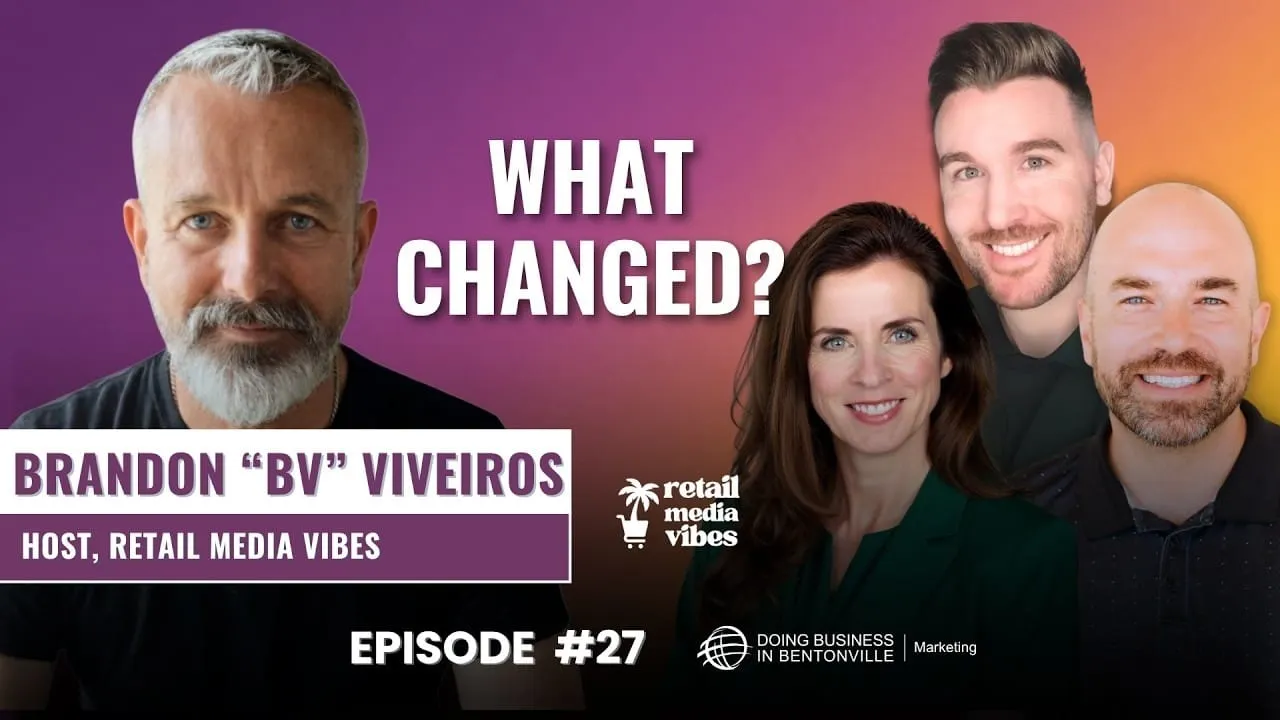


Cold chain is one of those supply chain functions everyone relies on, yet few people really understand until something melts, spoils, or gets rejected at the dock. We sit down with Cindy Parker, Director of Operations at Americold, to unpack what modern cold chain logistics actually looks like and why it has shifted from “storage at temperature” into a true operations partner for food, grocery, export, and emerging pharmaceutical cold chain needs.
We get specific about what large retailers now care about most: on-time shipping, product quality, and cost discipline. Sandy explains where suppliers commonly stumble, from weak packaging that collapses over longer dwell times to late communication that forces expensive last-minute labor and space decisions. We also dig into why forecasting matters even before EDI kicks in, and why the best cold chain relationships feel like a third leg of a production facility rather than a disconnected warehouse.
From there we move into the realities of running temperature-controlled warehousing: labor and power costs, sustainability pressure to keep food out of landfill, and extreme seasonality like the holiday turkey rush that sites plan for all year. We also explore the tech wave hitting cold storage, including automated freezer facilities that keep people out of the cold, AI-supported labor planning, safety tools that flag risky lifting, and real-time inventory and temperature monitoring that customers increasingly expect. Finally, we talk traceability and FSMA 204, plus the unsexy spot where many temperature excursions happen: the trailer-to-dock transition.
If you work in supply chain, operations, retail, food safety, or logistics planning, you’ll walk away with practical ways to cut cold chain cost and reduce risk. Subscribe, share this with a teammate, and leave a review with your biggest cold chain challenge.
More About this Episode
Beyond the Cold Box: Navigating the Future of Cold Chain Logistics
The world of supply chain management is often a game of managing invisible forces, but in the cold chain, those forces are felt quite literally. For years, the industry viewed cold storage as a simple "cold box", a static environment where the primary goal was maintaining temperature while moving product from point A to point B. However, the landscape has shifted dramatically over the past decade. Today, the cold chain has evolved into a high stakes service partnership that is as much about data and technology as it is about refrigeration.
In my recent discussions with industry leaders like Sandy Parker from Americold, it has become increasingly clear that the modern cold chain is no longer just a storage solution. It is a critical third leg of the production facility. Whether we are talking about food, groceries, or the increasingly sensitive pharmaceutical sector, the expectations for cold chain providers have moved far beyond simple logistics. We are now in an era where value added services, real time visibility, and intense collaboration are the baseline for success.
The Evolution of Service Partnerships
One of the most significant shifts we have seen is the move toward value added services within the warehouse itself. It is no longer enough to just receive and ship. Modern operations now include blast freezing, export services, and co-packing. Co-packing in a temperature controlled environment is particularly labor intensive. While we might not be performing these tasks in minus five degree freezers, the work often happens on docks kept between 35 and 38 degrees. This requires a delicate balance of human labor and strict temperature discipline to ensure that product integrity is never compromised during the transition from storage to production.
This shift reflects a broader trend: cold chain providers are becoming integrated partners in the retail value chain. We support every node of the supply chain, from supplying raw ingredients to production facilities to storing finished goods for final distribution. This end to end involvement means that the cold chain provider often has a better bird's eye view of the product journey than almost anyone else in the loop.
Meeting the New Retail Standard
The demands from large retailers like Walmart have fundamentally changed how we measure performance. In the past, the primary metric was simply whether the product was shipped. Today, the focus has narrowed to three critical pillars: on time delivery, uncompromising quality, and cost efficiency. Retailers are operating in a highly competitive, cost centric environment, and they view the cold chain as a necessary cost that must be optimized at every turn.
Where do suppliers often fall short? It frequently comes down to the basics of packaging and communication. In a freezer environment, low quality packaging can lead to compressed boxes and leaning pallets, creating massive inefficiencies and safety risks within the warehouse. But even more critical than the physical package is the flow of information.
The difference between a supplier that is easy to work with and one that is difficult is almost always communication. While Electronic Data Interchange (EDI) is the standard for transactional data, it is not a substitute for proactive forecasting. We need to know what production looks like two or three weeks down the line. If a supplier is planning a major product launch for a holiday, we should be engaged from the moment of conception. Even if those plans change, having that forecast allows us to plan labor and capacity, ensuring that we are ready to execute when the "Super Bowl" of the season (like the six weeks leading up to Thanksgiving) actually hits.
The Human and Mechanical Challenges of the Freezer
Operating a warehouse is challenging enough, but doing so in a minus five degree environment adds layers of complexity that many outside the industry overlook. The two biggest hurdles remain people and power. Keeping associates warm and safe is a top priority. When workers are wearing bulky freezer suits and heavy PPE, their mobility is limited. We have to focus intensely on ergonomics and proper lifting techniques to prevent injury.
Furthermore, equipment does not behave the same way in the cold. Forklift batteries have a significantly shorter lifespan in a freezer than they would in a standard warehouse. This necessitates a more rigorous maintenance schedule and a different approach to fleet management.
To combat these challenges, the industry is leaning heavily into automation. We are seeing the rise of 100% automated facilities where humans are largely removed from the harsh cold behind the warehouse walls. In these environments, people only enter the freezer for mechanical maintenance or to resolve specific pallet issues. This not only improves safety and comfort for the workforce but also creates a more predictable and efficient throughput.
The Role of AI and Real Time Data
Technology is also transforming how we monitor the health of our infrastructure. We are now utilizing AI to predict labor needs and enhance safety protocols. For example, AI can analyze video feeds to identify if workers are using improper lifting techniques, allowing for real time coaching. On the facility side, thermal imaging cameras powered by AI can detect heat escaping through a roof, identifying insulation failures before they lead to massive energy waste.
Visibility is the new currency of the cold chain. Tools like American Compass allow customers to log in and see their inventory in real time. We are also seeing increased use of data loggers on trailers, giving suppliers and retailers the ability to monitor temperature and location throughout the entire transit process. This level of transparency is moving us closer to true farm to table visibility, especially with the implementation of new regulations like FSMA 204. These guidelines will standardize lot tracking and expiration dates, providing a level of traceability that was previously impossible.
Mitigating Risk and Controlling Costs
The cold chain is inherently expensive. Between energy costs, specialized equipment, and labor, the margins for error are slim. The most common cause of temperature excursions is not actually inside the warehouse or the trailer, it is the transition between the two. When product sits on a dock too long or a trailer is not properly pre cooled, that is where exposure happens.
To manage these risks, we focus on root cause analysis. When something goes wrong, it is not enough to just fix the immediate problem. We must investigate why it happened and develop mitigation strategies to ensure it does not happen again. This culture of continuous improvement is what keeps the food supply safe.
Suppliers can significantly reduce their costs by leaning into the data we provide. Supply chain solutions departments can analyze years of shipping data to identify underutilized warehouses and optimize routes. We are also seeing innovations in transportation, such as direct rail links from the Midwest to Mexico. By having US and Mexican inspectors on site at the point of origin, we can bypass the border stops that traditionally add days of delay and thousands of dollars in cost to cold chain shipments.
Looking Ahead
As we look toward the future, the integration of technology, automation, and proactive communication will continue to define the leaders in this space. The cold chain is no longer a hidden part of the logistics world; it is a high tech, data driven industry that requires constant attention to detail. By treating the cold chain provider as a strategic partner rather than a vendor, suppliers can unlock new efficiencies, protect their product quality, and ultimately serve the end consumer more effectively.
The complexity of managing temperature sensitive goods will only increase as global supply chains become more interconnected. However, with the right focus on forecasting, packaging quality, and technological adoption, we can ensure that the "cold box" of the past remains a sophisticated, reliable engine for the future of commerce.