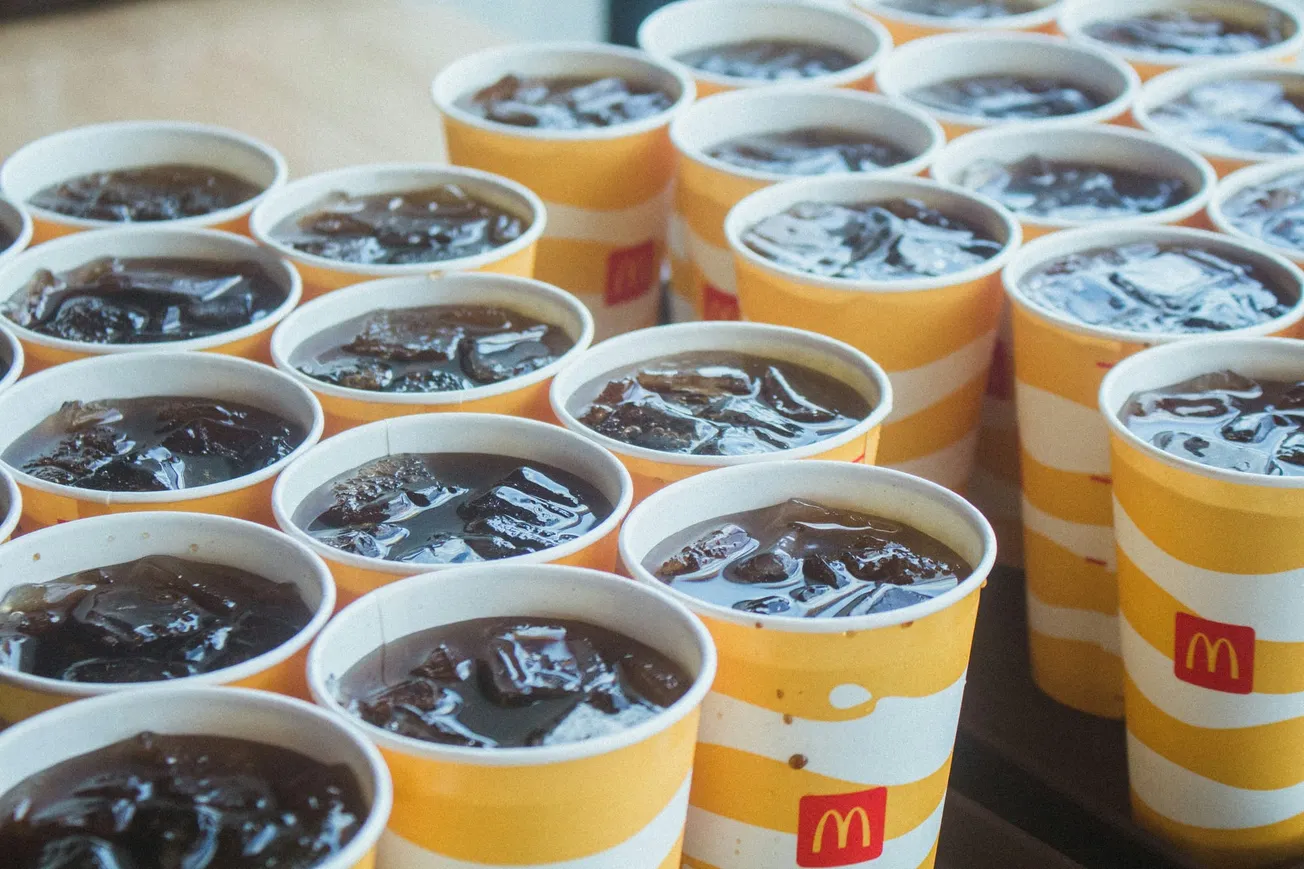
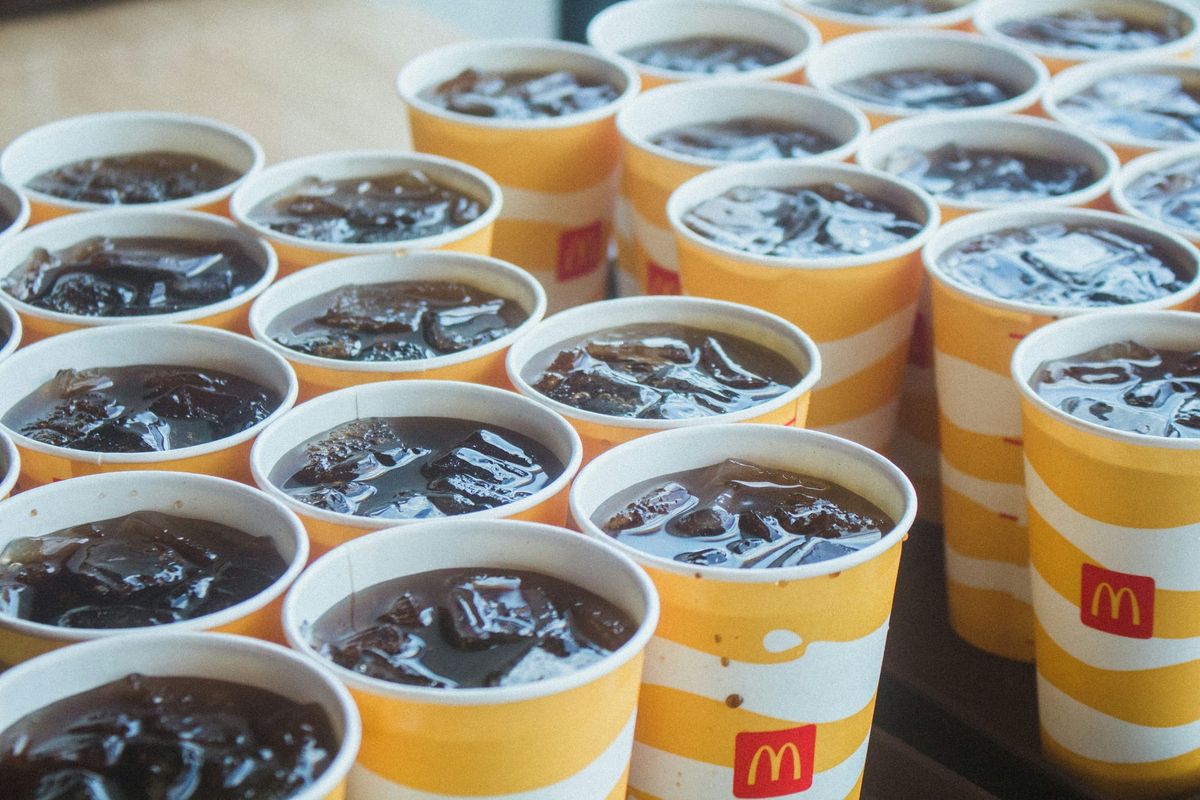
McDonald’s has confirmed it is accelerating the removal of self-serve beverage stations from its dining rooms across the United States. The transition, which the company expects to complete by 2032, marks a fundamental change in the fast-food giant’s in-store experience.
This shift is not merely a design update but a strategic realignment toward a "crew-pour" model, where all beverages are prepared behind the counter by staff or automated systems. For the omnichannel retail environment, this represents a pivot toward standardized fulfillment across every ordering touchpoint—whether a customer orders via a mobile app, kiosk, or the drive-thru lane.
Standardizing the Omnichannel Experience
The decision to eliminate self-serve soda fountains is rooted in the company's "Accelerating the Arches" growth strategy. By centralizing drink preparation, McDonald’s aims to ensure that every beverage meets the same quality and portion standards, regardless of how it was ordered.
In the previous model, in-store diners had a vastly different experience than delivery or drive-thru customers. By moving all beverage production behind the counter, McDonald’s eliminates this discrepancy, creating a unified operational workflow.
This centralization is increasingly powered by automated beverage systems. These machines, which automatically drop a cup, fill it with the correct ice and liquid, and seal it, allow crew members to focus on food assembly rather than manual drink pouring. For logistics and supply chain professionals, this represents a significant move toward "lean" retail operations, reducing product waste and improving the speed of service.
Profitability and the Rise of "Specialty Beverages"
The removal of self-serve machines coincides with McDonald’s launch of a new, high-margin beverage lineup. Starting May 6, 2026, the company is rolling out "Refreshers" and "Crafted Sodas" nationwide. These specialty drinks—such as the "Dirty Dr Pepper" with cold foam and various fruit-infused lemonades—require manual preparation or specialized automated equipment that is not compatible with public-facing soda fountains.
By transitioning to a staff-mediated service model, McDonald’s can better monetize its beverage category, which leadership identifies as a $100 billion global opportunity. Specialty drinks carry significantly higher profit margins than standard fountain sodas.
Protecting these margins requires tighter control over inventory and customization, which self-serve stations cannot provide. This strategy mirrors the success of specialized beverage concepts like the now-defunct "CosMc’s" pilot, which proved that consumers are willing to pay a premium for hand-crafted, complex drinks.
Impact on Store Design and Labor
The shift also reflects changing consumer habits. With digital orders and delivery now accounting for a massive portion of total sales, the physical dining room is being reimagined. Smaller-format stores often lack the floor space for large, customer-facing soda banks. Removing these stations reduces maintenance costs related to spills, sanitation, and the constant restocking of lids and straws in public areas.
From a labor perspective, while the change requires crew members to handle more tasks, the integration of automation mitigates the additional workload. The "crew pour" system allows for a more controlled environment, reducing the chaos often associated with high-traffic self-service areas.
For the Bentonville business community, McDonald’s move serves as a case study in how heritage brands are using technology to adapt to a digital-first world while simultaneously tightening operational control.
As the 2032 deadline approaches, customers will see the familiar soda fountain disappear during restaurant remodels and new builds. While the "free refill" era is not technically ending—customers can still request refills at the counter—the era of the self-serve "chemistry lab" in the dining room is officially fading.
More about McDonald's:
 Staff Report
 Staff Report
 Staff Report