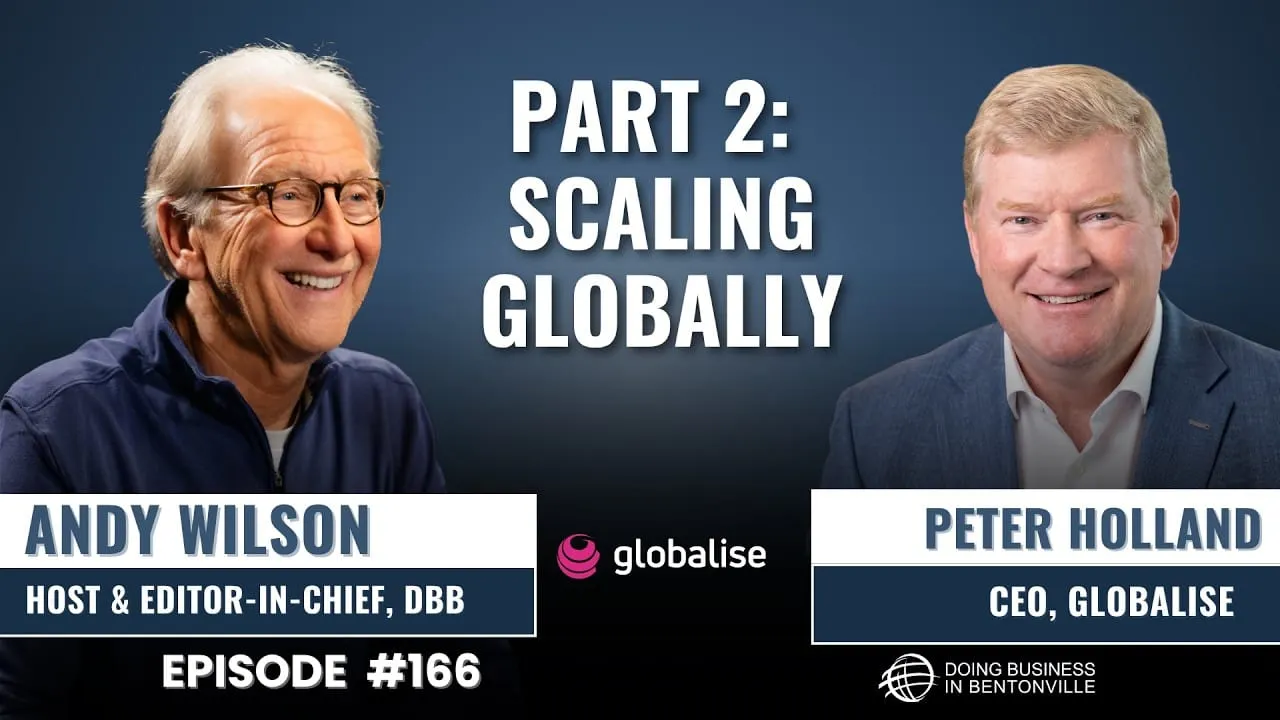
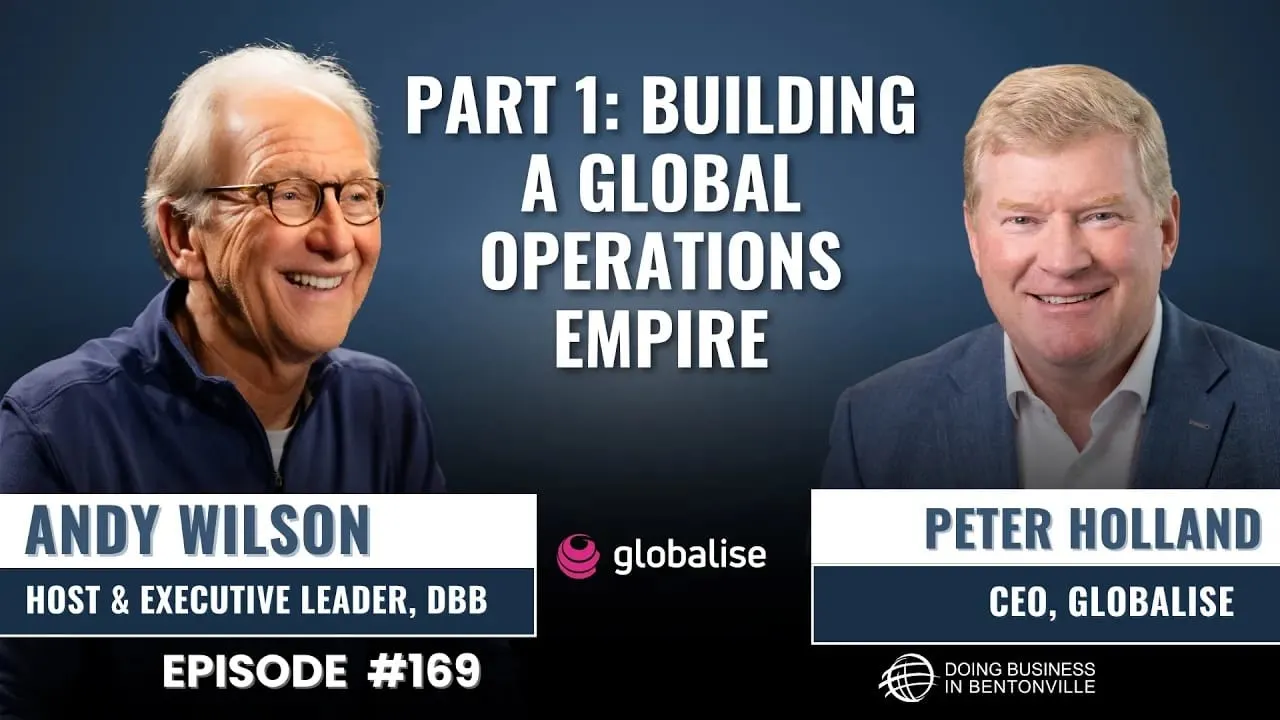
Moving Beyond the Sandbox in Omnichannel Retail
Treating agentic AI as an isolated tool rather than an integrated operating system is diluting the financial returns on technology investments across modern enterprise operations.
As global retail corporations rapidly roll out autonomous platforms throughout their business models, understanding how to systematically coordinate these digital assets has become an immediate requirement for survival. The contemporary retail industry is moving past basic automation to achieve complete enterprise-wide transformation.
Navigating this shift requires modern brands to pivot away from isolated technical pilots and build an omnichannel retail operating structure driven by unified, intelligent orchestration.
The Problem with Isolated Retail AI Pilots
Many brands find themselves stuck in a phase of fragmented deployment, pouring capital into individual proofs of concept. While separate autonomous bots can manage basic customer inquiries or track local inventory changes, treating these systems as standalone applications limits their long-term value.
Siloed data frameworks prevent different AI applications from communicating with existing enterprise software architecture. When an intelligent agent lacks access to broader data infrastructure, context is lost, and consumer experiences break down. Uncoordinated adoption creates major data silos, which can cause severe operational issues and harm consumer trust.
For omnichannel retail operations in major commercial corridors like Northwest Arkansas, avoiding these technical bottlenecks is vital to protecting the integrity of the broader brand.
Building a Unified Foundation Through Data Governance
Transitioning from technical experimentation to scaled orchestration requires a strong data governance framework.
Implementing multi-layered automated systems without clear accountability structures or human oversight introduces severe operational risks. Effective enterprise orchestration ensures that machine-learning workflows remain aligned with corporate strategies and compliance standards.
Establishing a central data layer allows autonomous agents to share real-time insights securely across different business units, including supply chain logistics, inventory optimization, and digital storefront marketing. Enterprise leaders must design clear parameters for machine-led operations to maintain system reliability, security, and visibility.
Turning Traditional Cost Centers into Revenue Engines
When autonomous agents are fully integrated into enterprise systems, legacy departments undergo a massive shift.
Customer service operations, which have historically functioned as cost centers, can be restructured into active revenue growth engines. Coordinated AI workflows can track customer behaviors across digital touchpoints, predict individual purchasing preferences, and instantly offer relevant product suggestions.
This level of cross-functional communication allows automated workflows to manage complex tasks while keeping human operators informed during high-stakes decisions. True retail transformation occurs when human intelligence and automated systems work together seamlessly to improve efficiency and scale modern business performance.
Strategic Takeaways for Modern Industry Leaders
To capture the full value of agentic technology, corporate leaders must move beyond small-scale testing and design an interconnected, enterprise-wide operating ecosystem. Success in this evolving ecosystem requires a clear warning against unchecked AI adoption, alongside a solid framework for data orchestration and organizational alignment.
Business leaders must focus on building comprehensive, long-term technical architectures that break down operational silos and support scalable automated ecosystems. To stay competitive in an evolving marketplace, organizations should actively audit their current software systems, establish strong governance guidelines, and prioritize end-to-end orchestration over isolated task automation.
For further details on shifting from experimentation to full technical orchestration, read the full podcast analysis on theDoing Business in Bentonvilledigital platform.