The Operational Evolution of Direct-to-Consumer Commerce
The traditional direct-to-consumer model is experiencing a profound market correction. For many years, manufacturing and product-centric brands treated a direct storefront as a simple, bolt-on e-commerce expansion to capture higher margins. However, escalating digital customer acquisition costs and back-of-house operational complexities have punctured the myth of automatic profitability.
In the current retail convergence landscape, legacy go-to-market channels are underperforming, requiring brand incumbents to transition from reactive channel chasing to deliberate channel orchestration.
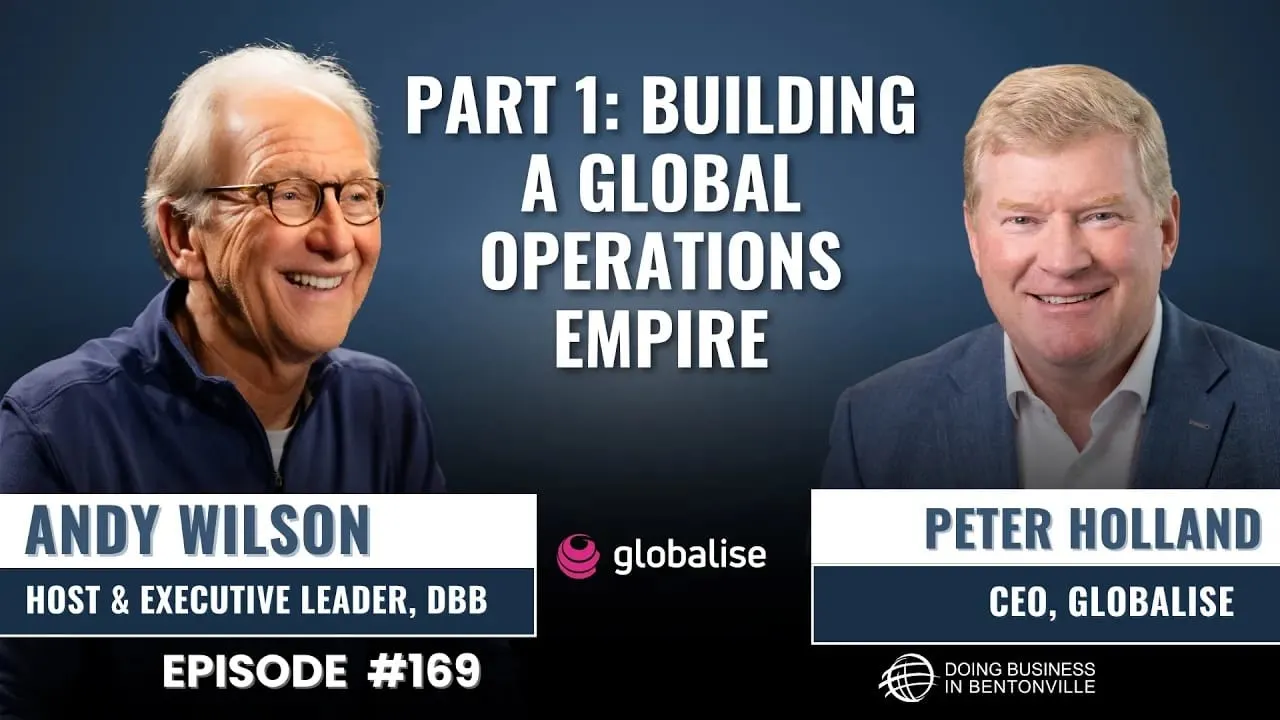
On a recent episode of the Digital Front Door Podcast, host Scott Benedict sat down with global retail transformation expert Jim Okamura to unpack the foundational keys to modern direct-to-consumer success. The conversation detailed how moving away from a traditional wholesale mindset demands a fundamental cultural shift toward an analytics culture and robust supply chain agility.
To avoid burning capital on top-of-funnel demand generation, organizations must carefully align corporate strategy with operational realities before engaging directly with the end consumer.
Balancing Customer Acquisition Costs and Wholesale Assets
A frequent strategic misstep among product-centric brands is assuming that bypassing the traditional retail intermediary naturally yields sustainable profitability. While removing a retail partner makes gross margins look highly attractive on paper, it strips away a critical asset that legacy wholesalers provide: embedded foot traffic and immediate customer access. When a brand eliminates this middle layer, it inherits the full operational burden of building consumer demand from absolute scratch.
Managing digital customer acquisition costs can rapidly erode the margin gains that originally motivated the pivot. Beyond marketing spend, running a direct-to-consumer ecosystem demands deep capital investments across the entire value chain. Brands must build and maintain a complex technology stack, establish sophisticated customer care groups, and re-engineer warehouse logistics for single-unit fulfillment rather than bulk pallet shipping. Without a granular understanding of these underlying retail economics, cost overruns can quickly destabilize the business after the initial digital novelty fades.
Defining Strategic Ambition Bands and Category Fitness
To prevent destructive channel conflict and secure long-term brand equity, corporate leadership must perform rigorous, fact-based market sizing to explicitly define their direct-to-consumer ambition level. Generally, these operations fit into three distinct strategic bands.
First, the direct presence can act purely as a marketing tool, representing less than 10% of total revenue to gather valuable first-party consumer data. Second, it can operate as an additional sales channel, accounting for 10% to 35% of total revenue to drive top-line growth. Finally, it can serve as a core strategic priority, exceeding 35% of revenue and fundamentally defining the company as a direct-led enterprise.
Furthermore, brands must evaluate their specific category fitness and geographic nuance. Experiential, lifestyle-oriented categories with high emotional resonance or complex technical features thrive in direct models because they allow the brand to control the narrative completely.
Real-world transformations, such as the evolution of Salomon from a hardware distributor to a lifestyle apparel brand, demonstrate how direct channels can be intentionally designed to craft compelling stories without triggering friction with existing retail accounts.
Similarly, brands like Hunter Fan maintain strong domestic wholesale partnerships while using direct channels to capture new international growth in emerging digital markets.
Embracing the Analytics Culture and Backend Excellence
Transitioning to a retail mentality is ultimately less about deploying a new technological platform and more about restructuring internal corporate culture. Traditional wholesale operations run on predictable, extended product cycles with retrospective data reporting.
The direct retail environment, however, compresses operational cycles into days and hours, requiring extreme agility. Advanced enterprises are addressing this gap by establishing centralized analytics functions that break down internal silos, blending insights from logistics, customer care, and performance marketing into a continuous learning loop.
Crucially, back-of-house operational excellence must always precede demand generation. Funneling massive investments into digital marketing before verifying the integrity of the fulfillment loop can severely fracture customer relationships.
Before scaling acquisition campaigns, companies must ensure their technology stack provides flawless, real-time inventory visibility and that their logistics networks can handle individual orders with speed and precision. Getting the internal house in order ensures that the brand promise can be executed seamlessly at scale.
The Next Frontier: Data Readiness for Agentic Commerce
The retail industry is currently standing on the brink of a massive technological shift: the transition from human search engine optimization to agentic commerce. The sector is moving rapidly into scalable implementations of artificial intelligence, marked by the rise of AI shopping agents and automated answer engines that act as the primary intermediaries between consumers and brands.
Instead of a human browsing a digital storefront, automated crawlers will increasingly ingest data to make hyper-precise product recommendations and purchases.
To remain competitive in an agent-driven marketplace, brands must evaluate their organizational readiness across AI governance frameworks and clean data structures. Product detail pages will increasingly require hyper-detailed, structured data layers designed specifically for AI crawlers to seamlessly read and evaluate.
While this field remains an evolving science, forward-thinking leaders must actively experiment with these emerging tools today. The pace of change is accelerating, and the organizations that secure their data infrastructure now will be uniquely positioned to win the future of omni-channel retail.
To explore the complete ten-key framework and view the detailed operational roadmap, listen to the full episode on the Doing Business in Bentonville Podcast.