

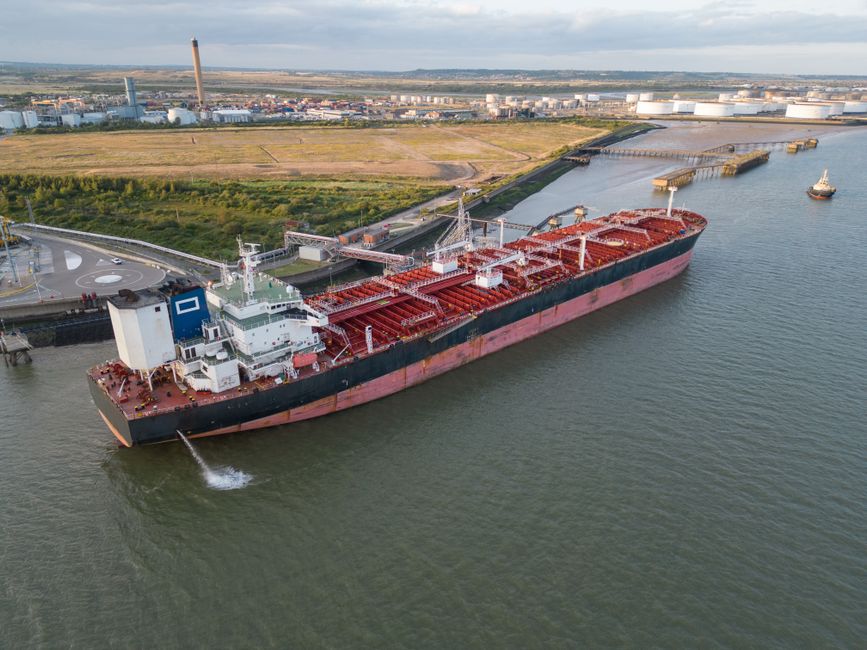
Global Energy Shock: Hormuz Closure Upends Supply Chains and Inflation
The global business landscape is currently navigating a significant energy shock, stemming from the effective closure of the Strait of Hormuz since the beginning of the war in Iran.
This geopolitical event has profoundly disrupted international crude oil and fuel flows, presenting considerable challenges for global supply chains and consumer markets. Understanding these shifts is crucial for industry professionals, local stakeholders, and leaders seeking to mitigate risks and adapt strategic responses.
The Strait of Hormuz: A Vital Chokepoint Under Pressure
In the first quarter of 2026, crude oil and petroleum liquids flowing through the Strait of Hormuz plummeted by nearly 6 million barrels per day. This dramatic reduction, falling from 20.4 million barrels a year earlier to 14.6 million, represents a critical blockage for approximately a quarter of the world’s seaborne oil supply. The disruption immediately triggered a substantial surge in global energy prices.
Brent futures, the international benchmark for crude oil, have surged more than 45% since the conflict began, signaling market instability and higher operational costs for businesses worldwide. Domestically, U.S. national retail gasoline prices have topped $4.50 a gallon, nearing levels last seen in 2022 and directly impacting consumer spending and transportation logistics. These rising fuel costs pose direct challenges for last-mile delivery and overall retail operations within the omnichannel retail ecosystem.
Economic Ripples and Supply Chain Adjustments
The escalating energy costs are now casting a broad shadow over wider economic indicators, fueling inflationary pressures across various sectors. The U.S. producer price index, a key measure of wholesale costs, recorded a 6% increase in April from a year prior, marking its sharpest monthly gain since 2022. This upward trend in input costs affects manufacturing, logistics, and ultimately, consumer prices.
In response to the Hormuz disruption, global logistics and supply chain managers are actively seeking alternative maritime routes to maintain the flow of goods. Consequently, volumes for crude oil and liquids transported through the Panama Canal and the Bab El-Mandeb Strait saw increases in the first quarter of 2026. This rerouting highlights the agility required in global supply chain management but also introduces new complexities and potentially longer transit times for international trade.
Strategic Implications for Global Business and Omnichannel Retail
The U.S. Energy Information Administration (EIA) has launched its new Global Energy Security Data report to specifically assess how the war in Iran has reshaped global energy supplies and assumptions about oil markets. This report underscores the necessity for comprehensive data management and real-time visibility in navigating such unprecedented challenges. Businesses are compelled to re-evaluate their corporate strategy and bolster supply chain visibility to enhance resilience against geopolitical risks.
For omnichannel retail, these logistics and energy cost increases translate into higher operational expenses and potential impacts on product pricing and availability. Retail leaders must implement robust forecasting and demand planning strategies to manage inventory optimization effectively in this volatile environment. The continuous evolution of shopper expectations requires brands to maintain seamless experiences despite escalating global trade and economics challenges. Adapting to these dynamics requires strong leadership and strategic foresight to sustain competitive advantage and serve the modern shopper effectively.
Navigating Forward
The ongoing situation in the Strait of Hormuz serves as a potent reminder of the interconnectedness of global logistics, geopolitical events, and economic stability. Industry leaders must remain vigilant, leveraging data-driven insights and investing in resilient supply chain solutions to manage disruptions. By collaborating with experts and continuously assessing global trade dynamics, businesses can better demystify the complexities of global energy security and its impact on the future of business and omnichannel retail.
Sources
Potential Sources to Cite
- Original Source: Hormuz Oil Flows Fell Nearly 30% Last Quarter
- Iran Makes Hormuz Passage a Case-by-Case Deal
- Iran, Ukraine wars deliver worst hit in years to oil refining output
- GCC urges international action to protect energy security, global supply chains
- Oil Rebounds After PPI Shock Ahead of Retail Sales Data | Investing.com
- Brent Crude Prices Reflect a Product-Led Oil Market Squeeze | Investing.com AU