

What happens when a department store transforms into a destination featuring champagne bars, spas, and digital concierges? The retail revolution is here, and Printemps' Manhattan flagship exemplifies how smart retailers are reinventing physical shopping spaces for today's experience-hungry consumers.
The fundamental truth reshaping retail today is simple yet profound: when customers can buy anything online with a click, physical stores must offer something digital can't. Modern shoppers aren't just purchasing products—they're seeking stories, experiences, and communities. This strategic pivot explains why Nike created its House of Innovation, why Starbucks developed its Reserve concept, and why even fast fashion brands now host events and influencer meetups.
But creating compelling retail experiences isn't simply about flashy design or Instagram-worthy moments. It requires strategic vision and a willingness to evolve. The most successful retailers understand they must transition from transaction-focused spaces to transformation-centered environments. They use their physical presence to craft immersive brand narratives that digital simply cannot replicate.
As a retail consultant, I've seen firsthand how experiential retail can become a business's strongest competitive advantage. If your brick-and-mortar strategy isn't giving people compelling reasons to visit, linger, and return, it's time to reimagine what your spaces could be. The future belongs to retailers who recognize that in today's market, experience isn't just a nice addition—it's the essential anchor that will determine who thrives and who merely survives.

Experience is the New Anchor for Physical Retail
Retail is evolving into an experience economy. From champagne bars to digital concierges, Printemps and other brands show why physical stores must inspire, engage, and build community. This episode reveals how experiential retail is shaping the future of shopping.
Related

Target’s Comeback Is a Reminder That Merchandising Still Matters
Scott Benedict breaks down how Target's return to core merchandising and faster assortment refresh cycles is driving traffic, showing why sourcing emerging brands often beats big marketing when demand stalls.

Retail Growth Is Hiding a Unit Problem
Scott Benedict breaks down why rising retail revenue is masking a hidden unit volume crisis, revealing how price hikes, private label shifts, and shrinking baskets distort what merchants think is actual demand.

Retail Media Isn’t Advertising Anymore
Scott Benedict explores why retail media is becoming commerce's operating system, revealing how AI powered orchestration and unified merchandising strategy determine whether high intent clicks actually convert into sales.

The New Retail Battleground Isn’t the Click – It’s the Recommendation
Scott Benedict explains how AI is compressing the traditional purchase funnel into single conversational searches, and why brands must build clean, structured product data to get recommended by AI shopping assistants.
Latest
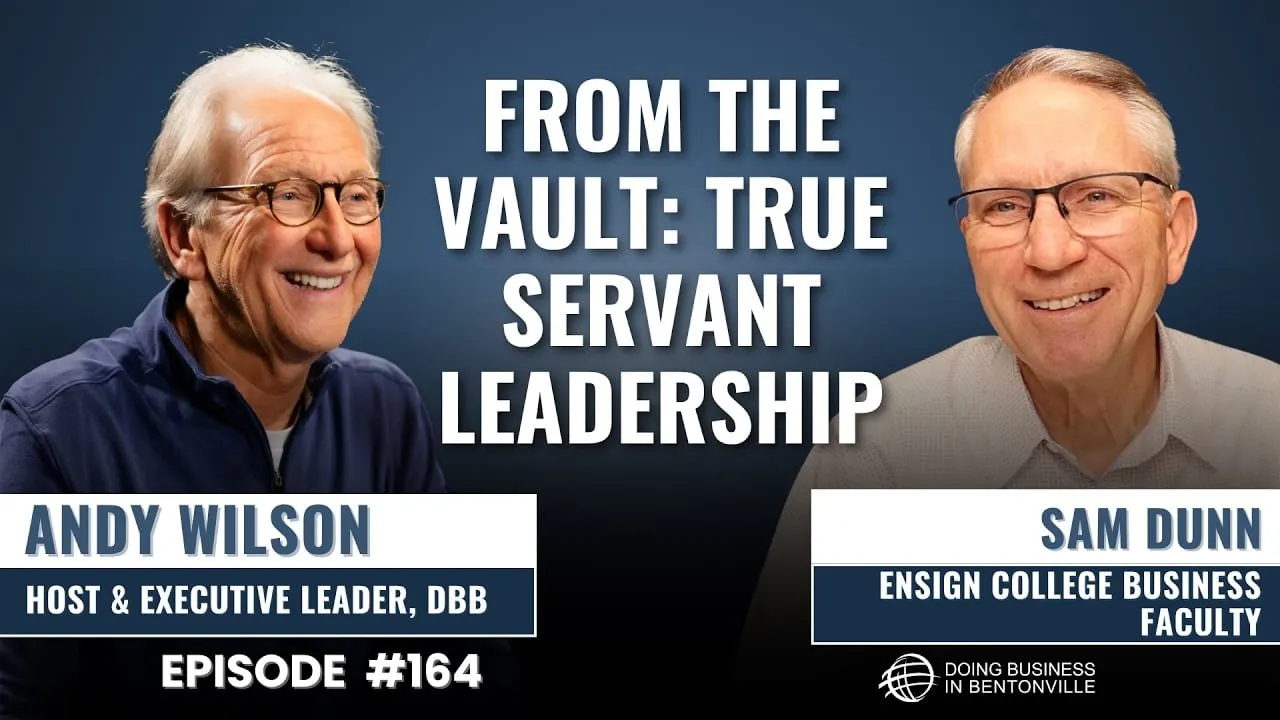
Ep. 164 - From the Vault: What Executives Learn from Sam Walton
Former Walmart SVP Sam Dunn shares operational lessons from working under Sam and Rob Walton, breaking down the costly Hypermart rollout and how leadership stabilized profits after a shattered 99 quarter growth streak.
Target’s Comeback Is a Reminder That Merchandising Still Matters
Scott Benedict breaks down how Target's return to core merchandising and faster assortment refresh cycles is driving traffic, showing why sourcing emerging brands often beats big marketing when demand stalls.
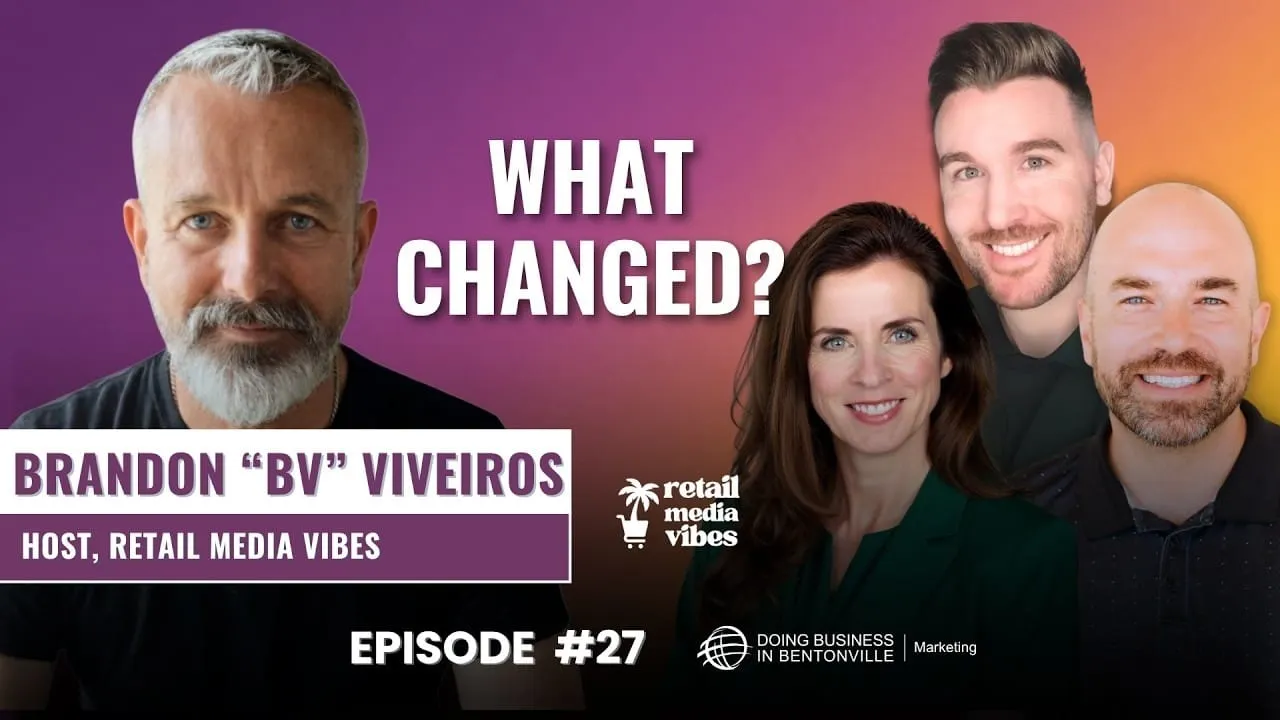
Ep. 27 - Retail Media Vibes: One Year Later
Brad Godwin, Jessica Hendrix, and Tom Breeden mark one year by breaking down artificial scarcity, AI's role in shopping, and how leaders can retain top talent while deploying generative tools without losing the human touch.

Ep. 6 - Warehouse Wars: Costco, BJs, and Sam's Club
Retail veteran Walter Holbrook breaks down Q2 earnings, revealing how out of stock issues cost the industry $1.4 trillion annually and why disciplined floor execution, not remodels or tech gimmicks, actually drives sales.