

Topline sales numbers are masking a massive unit volume problem in retail today. Scott Benedict breaks down why higher revenue hides shrinking baskets and deliberate spending shifts.
A sales bump driven entirely by price increases means the system is moving fewer units. This illusion impacts replenishment, inventory productivity, and supplier negotiations. Consumers are trading down to private labels, compressing purchase windows, and forcing merchants to question if demand is merely delayed or completely destroyed. Operators must look past headline numbers to measure actual unit velocity and household penetration.
For retail leaders dealing with stagnant volume despite revenue gains, this breakdown offers a framework to identify true category performance. Subscribe and share this episode with a category manager navigating inflationary shifts. What specific changes in pack size or brand preference are you seeing in your aisles this quarter?
Retail Growth Is Hiding a Unit Problem
Scott Benedict breaks down why rising retail revenue is masking a hidden unit volume crisis, revealing how price hikes, private label shifts, and shrinking baskets distort what merchants think is actual demand.
Related
Retail Is Moving From Personalization to Prediction
Scott Benedict explains how retail is shifting from passive personalization to proactive prediction, breaking down how anticipating household purchase rhythms reshapes inventory planning, retail media, and AI agent discoverability.

Stop Testing Ideas. Start Testing Customer Problems.
Scott Benedict explains why ecommerce teams should stop testing random tweaks and focus on real customer friction points, using journey maps, session replays, and heatmaps to turn failed hypotheses into lasting revenue gains.

The AI Holiday Isn’t About Autonomous Shopping. It’s About Better Decisions.
Scott Benedict breaks down how retail AI will shape holiday 2026, showing why backend decision making and localized inventory allocation matter more than autonomous buying, with merchants still firmly in the driver's seat.
The Intelligent Retail Enterprise Is the Next Evolution of Retail
Scott Benedict explains why intelligent enterprises must orchestrate data across every business unit rather than stacking software, breaking down clean data, automation guardrails, and where human judgment still matters.
Latest

The Billion-Dollar Blind Spot: Is Your Supply Chain Exposed to Counterfeits?
Dr. Matt Waller and Daniel "Mr. Supply Chain" Stanton unpack vendor trust blind spots, high-tech tracking, gray markets, and supply chain resilience.

The Human Side of Retail: Designing Stores for Real Customer Behavior
Explore how retail CX strategist Chuck Palmer and Scott Benedict discuss retail customer psychology, self-checkout friction, and store layout design.
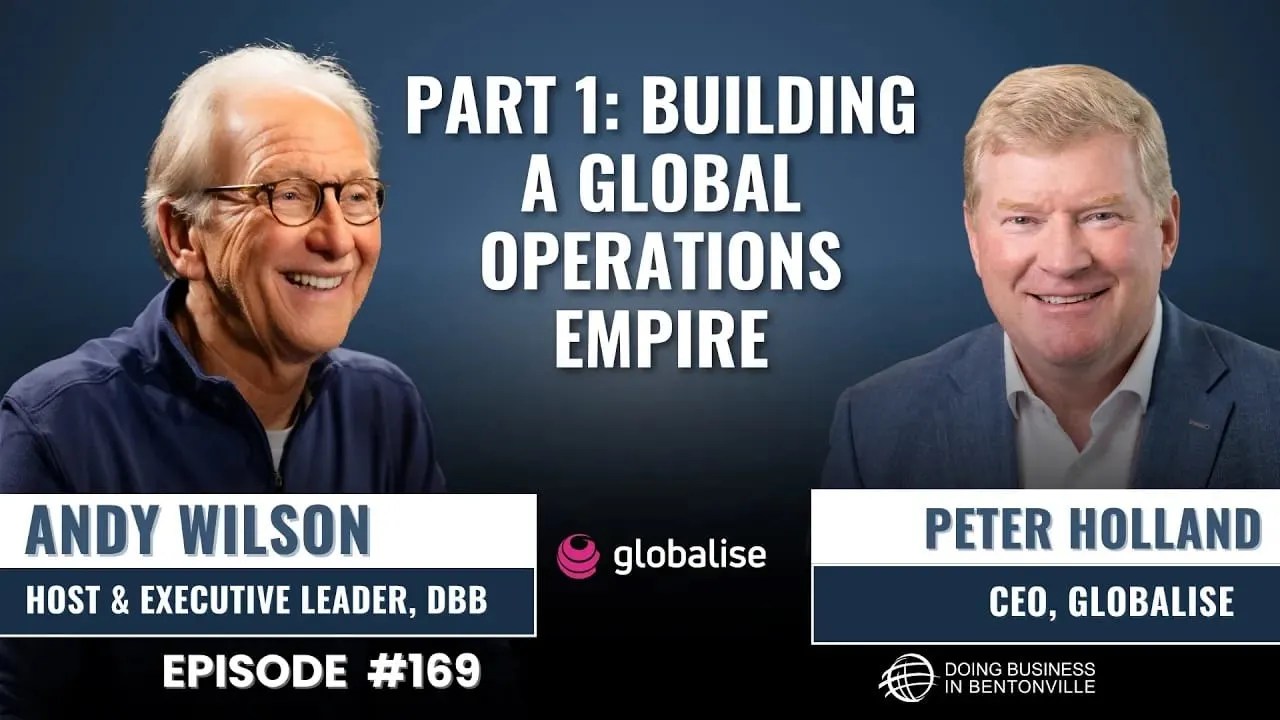
Ep. 169 - Part 1: Fixing Broken Processes in Business
Globalize CEO Peter Holland explains how his team manages workforce operations across 160 countries, showing how standardized payroll, expense, and tax compliance processes help prevent costly errors during international expansion.

Ep. 26 -The Human Side of Retail: Designing Stores for How People Really Behave
Retail strategist Chuck Palmer joins Scott Benedict to explain why treating shoppers as data points erodes loyalty, sharing frontline lessons on self checkout failures, psychology based store design, and invisible in store technology.