
Historic Separation to Unlock Shareholder Value
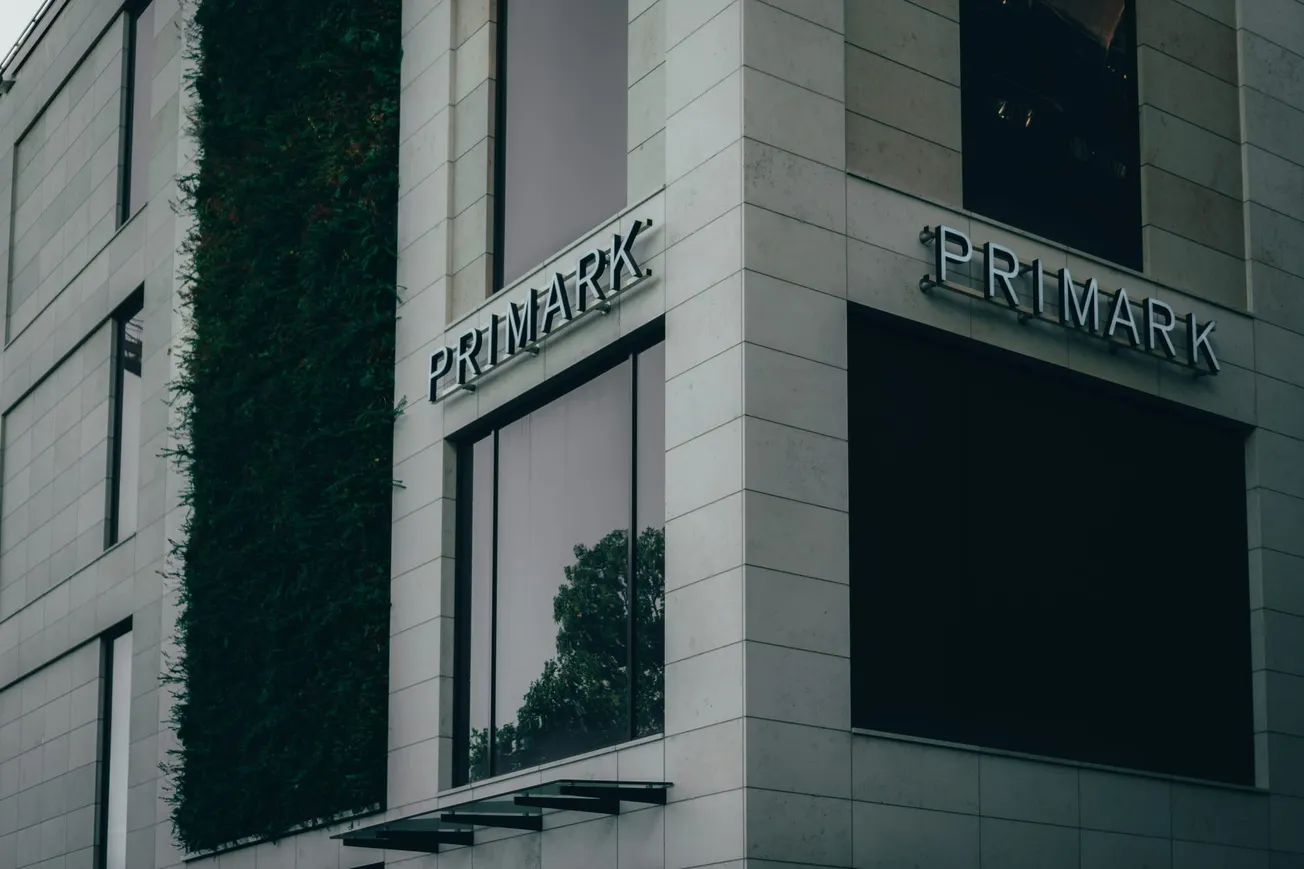
Associated British Foods (ABF) announced on April 21, 2026, that it will demerge its fashion retail giant, Primark, from its global food operations. The decision, which follows an exhaustive strategic review initiated in late 2025, marks the end of a 65-year conglomerate structure. The board concluded that both entities have reached a scale where independent governance will maximize long-term returns and allow financial markets to more accurately value their distinct business models.
Under the proposed plan, which is expected to be completed by the end of 2027, ABF shareholders will receive shares in two separate London-listed companies. The retail arm will trade as a standalone "Primark," while the remaining business—comprising major brands like Twinings, Ovaltine, and a massive sugar and agriculture division—will retain the Associated British Foods name, colloquially referred to as "FoodCo." Given their significant market capitalization, both entities are anticipated to remain constituents of the FTSE 100 index.
Financial Performance and Strategic Drivers
The announcement coincided with ABF’s first-half results for 2026, which illustrated the varying pressures across its omnichannel retail and food supply chain divisions. Total group revenue reached £9.5 billion, but adjusted operating profit fell 18% to £0.7 billion. While Primark saw a 2% increase in sales driven by new store openings, its performance in continental Europe was hampered by weak consumer confidence and intensifying competition from digital-first giants like Shein and Temu.
George Weston, current CEO of ABF, will lead the standalone FoodCo, while Eoin Tonge has been named CEO of Primark. Weston noted that the split is an "evolutionary step" rather than a reaction to short-term trading difficulties. By separating, Primark can better focus on its international expansion—particularly in the U.S. and Southern Europe—while the food business can highlight its position as the only pure-play food producer of its scale in the FTSE 100.
Navigating Geopolitical and Supply Chain Headwinds
The demerger comes at a volatile time for global logistics. Management warned that the ongoing Middle East conflict is beginning to impact consumer spending and inflate energy and freight costs. While ABF has managed these immediate impacts through hedging and fuel surcharges, particularly in its bakery distribution networks, the long-term outlook for consumer demand remains cautious.
Primark’s resilient supply chain and lean operating model have helped protect margins, but the retailer acknowledged that its digital integration in Europe trails behind its UK success. Standalone status is expected to accelerate investments in omnichannel capabilities, ensuring the brand can effectively compete in an increasingly digital shopping landscape. ABF expects the one-off separation and transaction costs to reach approximately £75 million, with annual dis-synergies estimated at less than £45 million.
Future Outlook for Primark and FoodCo
Wittington Investments, the holding company for the Weston family, will maintain majority ownership of both companies, providing a stable foundation for the transition. The split is seen by analysts as a necessary move to close the valuation gap between Primark and its peers, such as Next and Inditex. For the broader industry, including retail leaders in hubs like Bentonville, the ABF demerger serves as a significant case study in managing complex, multi-sector operations in an era that demands specialized focus and rapid technological adaptation.
As the demerger progresses, both companies will host dedicated investor sessions to outline their standalone strategies. The focus for FoodCo will likely remain on its differentiated global ingredients and grocery portfolio, while Primark will seek to leverage its powerful brand and "value" proposition to capture a larger share of the global fashion market.
More about leadership:
 Staff Report
 Staff Report
 Staff Report