

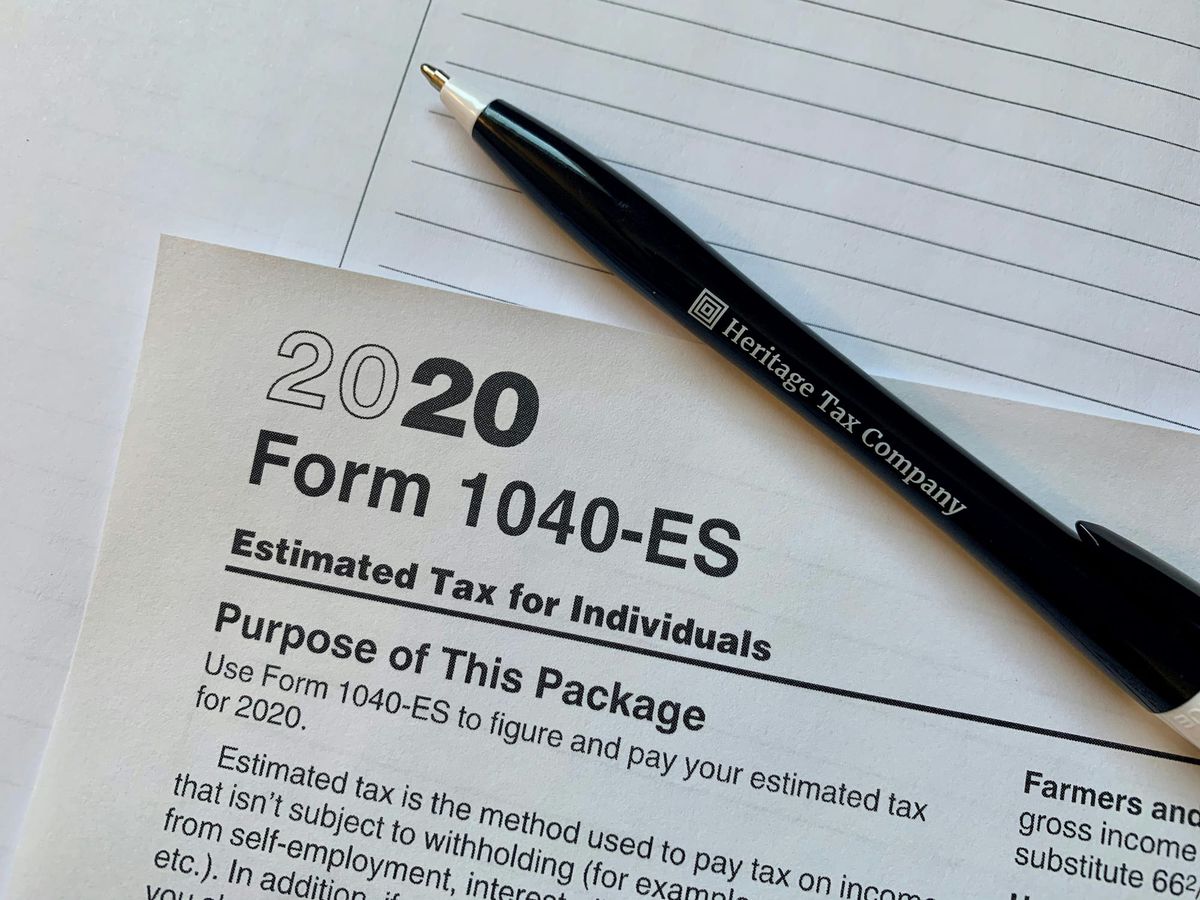
As the 2026 tax filing season reaches its peak, new data suggests that the annual windfall from the IRS is serving more as a financial lifeline than a discretionary bonus. According to a recent study by e-commerce marketing platform Omnisend, nearly 60% of Americans receiving a tax refund plan to spend the entirety of those funds within a single month. This rapid deployment of capital comes during a period defined by what experts describe as significant "consumer psychological strain," as households navigate a volatile mix of inflation, debt, and shifting economic policies.
For the retail and supply chain ecosystem in Bentonville, these spending patterns offer a critical window into the current state of the American shopper. Understanding the velocity of this capital is essential for brands attempting to synchronize their omnichannel strategies with the sudden, yet brief, surge in household liquidity.
The Velocity of the 2026 Refund
The Omnisend survey of over 1,300 Americans highlights a marked sense of urgency in refund allocation. Specifically, 17.8% of respondents intended to spend their refund immediately upon receipt, 21.9% within one to two weeks, and a cumulative 59.2% within 30 days. This "fast-tracking" of funds is a direct reflection of the underlying financial pressures facing many households.
Marty Bauer, an e-commerce expert for Omnisend, noted that "tax refunds are arriving this year in an environment with a lot of consumer psychological strain." This strain is fueled by a "K-shaped" economic recovery where, despite larger average refunds—which hit $3,462 as of early April 2026—many consumers feel they are merely catching up rather than getting ahead.
Prioritizing Financial Triage Over Splurging
While the retail industry often looks to tax season as a catalyst for discretionary spending, the 2026 data indicates a heavy lean toward "financial triage." Practical necessities and debt reduction are the primary drivers for the majority of refund recipients:
- Emergency Savings: 38.9% of respondents plan to use their refund to bolster emergency funds.
- Essential Bills: 32.3% are directing funds toward rent, mortgages, and utilities.
- Debt Repayment: 21.7% intend to pay down credit card balances, which hit a record $1.28 trillion at the end of last year.
Despite this practical focus, a subset of the population is still carving out room for "feel-good" purchases. Approximately 16% of shoppers plan to buy clothes or accessories, while 15.1% intend to treat themselves to "something special." This bifurcated behavior—balancing survival with small moments of joy—is a hallmark of the 2026 consumer.
The Impact of the One Big Beautiful Bill Act (OBBBA)
The 2026 refund landscape has been uniquely shaped by the One Big Beautiful Bill Act, signed in late 2025. The legislation introduced retroactive deductions for tips, overtime, and auto loan interest, contributing to an 11.1% year-over-year increase in average refund amounts. According to the IRS, more than 53 million filers have claimed at least one of these new deductions.
This means the "lump sum" entering the economy is larger than in previous years, but its impact is being eroded by external factors. Rising gasoline prices, stemming from ongoing international conflicts, and elevated housing costs have created a scenario where the 11% boost in refund size is often neutralized before it can reach discretionary retail categories.
Strategic Implications for Omnichannel Retailers
The compressed timeframe in which consumers spend their refunds—the "one-month window"—requires a highly coordinated omnichannel response. Retailers must be prepared for a sharp but short-lived spike in demand, particularly in mid-tier categories like apparel and small electronics.
- Inventory Placement: With nearly 60% of funds spent within weeks, inventory must be positioned at the "edge" of the supply chain—close to the consumer—to satisfy the demand for immediate fulfillment, whether through BOPIS (Buy Online, Pick Up In-Store) or same-day delivery.
- Targeted Marketing: Brands are leveraging AI and predictive analytics to identify when customers in specific regions receive their refunds, allowing for hyper-localized promotional timing.
- Value Messaging: Given the "psychological strain" mentioned by Bauer, marketing messages that emphasize value, durability, and financial smarts are resonating more effectively than those focused on pure luxury or excess.
Bridging the Gap in Bentonville
As the global retail hub, Bentonville serves as the laboratory for how these macroeconomic trends translate into store-level reality. The synergy between logistics experts, data scientists, and marketing agencies in Northwest Arkansas is currently focused on maximizing this 30-day spending window.
While the 2026 refund season provides a measurable boost to real disposable income, the "fast-spend" phenomenon underscores a fragile consumer base. For the industry to "win" in this environment, it must move beyond traditional seasonal planning and adopt an agile, data-driven approach that recognizes the tax refund not just as a shopping event, but as a critical moment of financial recalibration for the American household.
More about taxes:
 Dan Craft
 Staff Report
 Staff Report