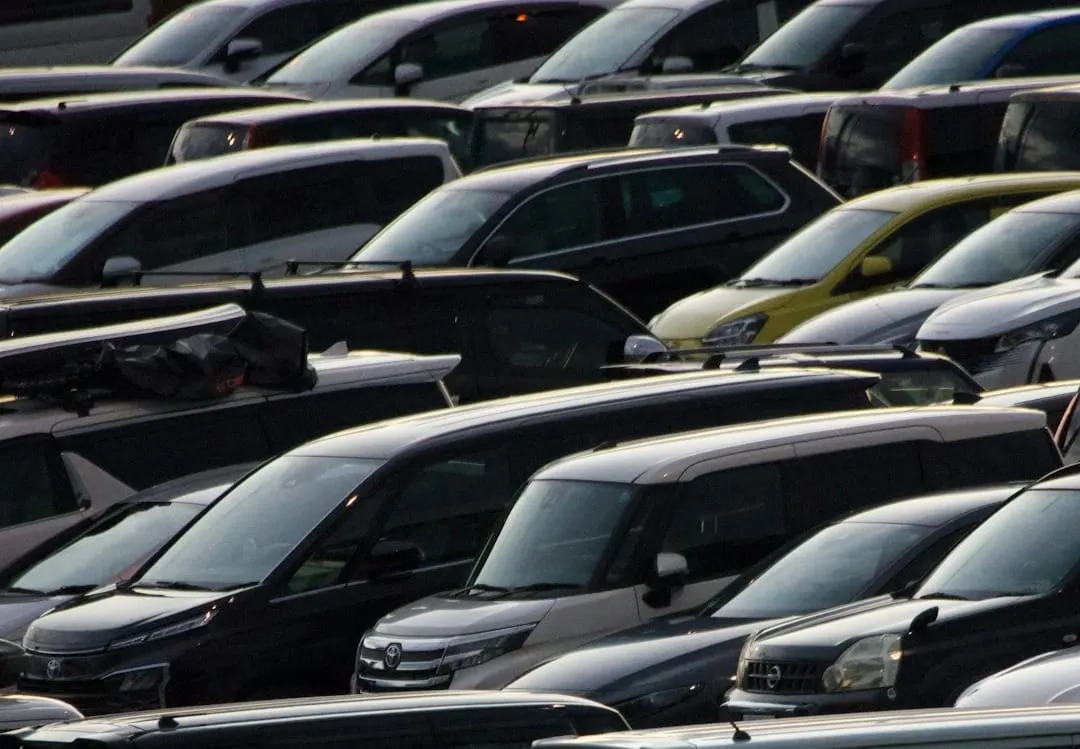
The shockwaves from the Covid-19 pandemic continue to reshape the U.S. automotive market, establishing a "new normal" of elevated prices and constrained supply for both new and used vehicles. This persistent trend deeply impacts consumer behavior and broadens challenges across the retail and supply chain industries, demanding strategic adaptation from leaders and stakeholders.
Understanding these dynamics is crucial for industry professionals, as vehicle availability and pricing influence household budgets and discretionary spending, affecting the wider economy and omnichannel retail strategies. The current landscape is a direct consequence of past production setbacks and evolving corporate strategies within the auto sector.
Pandemic's Lingering Grip on Auto Supply Chains
The severe blow dealt by the pandemic to new car production continues to ripple through the entire vehicle supply chain, constricting inventory at every level. Approximately 8 million vehicles intended for U.S. buyers were never manufactured during critical pandemic years, a significant deficit largely attributed to production shutdowns and crucial supply shortages, according to Jeremy Robb, chief economist for Cox Automotive.
This substantial reduction in new vehicle volume, estimated by JD Power Senior Vice President Tyson Jominy to be around 16 million fewer vehicles than anticipated since 2016, represents roughly a year's worth of lost sales. Such a profound disruption at the top of the automotive funnel inevitably creates bottlenecks and price pressure throughout the market, extending even to the used vehicle segments.
Shifting Manufacturer Strategies and Consumer Impacts
Faced with curtailed production capabilities, automakers strategically prioritized money-making, high-end vehicles, a profitable corporate strategy they have largely maintained. This focus on premium models, often trucks and SUVs with higher trim levels, means fewer entry-level options are produced, further limiting choices for a significant portion of consumers.
Additionally, manufacturers and dealers have scaled back on practices like leasing and incentives, which previously served as important conduits for new cars entering the used market. Leasing, which accounted for approximately 30% of new vehicle sales pre-pandemic, plummeted to 18% in 2022, profoundly impacting the pipeline of off-lease vehicles feeding the secondary market several years later.
The Used Car Market's Enduring Pressure
The cumulative effect of diminished new car production and reduced leasing options has created unprecedented demand and elevated pricing in the used vehicle market. Consumers, facing high new car prices, inflation, and increased expenses, are increasingly turning to older, more affordable options.
Data from Cox Automotive reveals a noticeable surge in demand for even 9- and 10-year-old used vehicles, indicating a widespread trend of consumers trading down to manage affordability challenges. This unusual "pricing pressure in the lower end of the market" underscores the economic strain on households and the critical role of vehicle access in daily life, impacting local communities and consumer spending patterns.
Economic Realities and Omnichannel Shopper Behavior
The gap between rising vehicle prices and stagnant incomes is stark; average new vehicle household income now exceeds $150,000 annually, significantly higher than the U.S. economy's overall average of about $80,000, as noted by JD Power's Jominy. This disparity highlights a growing segment of the population struggling to afford basic transportation needs, influencing wider retail dynamics.
As consumers navigate these financial pressures, their omnichannel shopping behaviors extend to how they research, finance, and purchase vehicles, often requiring extensive online research and comparison. Understanding these evolving shopper journeys is vital for all retail sectors, as the lessons from the automotive market's recalibration can inform strategies for resilience and customer engagement across diverse industries.
Sources
Potential Sources to Cite
- Original Source: How pandemic car shortages are still making new and used cars expensive
- Why Did Most Car Manufacturers Stop Using Column-Mounted Gear Shifters?
- Which New Cars Have Almost Zero Depreciation?
- Motor vehicles, AI boost US manufacturing production; supply shortages from war loom
- BASF Warns Iran War Could Trigger Supply Shortages for Carmakers
- At 'crucial' moment for pandemic preparedness, experts say world isn't ready