
Scarcity Redefines the 2026 Supply Chain Playbook
Copper, critical minerals, and medical supplies lead the list of 2026 shortages, pushing firms to overhaul supply chains for resilience and risk readiness.


Copper, critical minerals, and medical supplies lead the list of 2026 shortages, pushing firms to overhaul supply chains for resilience and risk readiness.

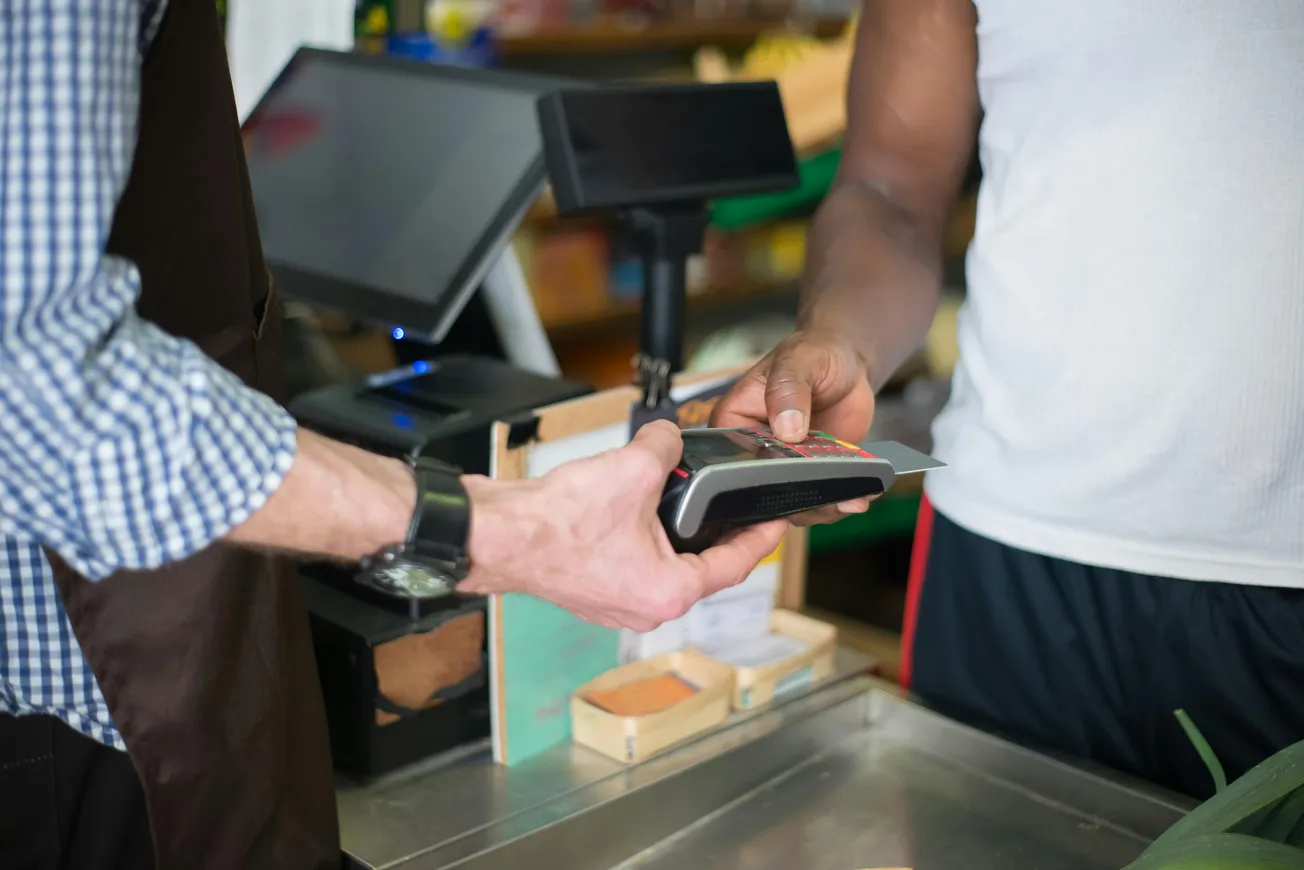
Consumer-driven demand is propelling the rise of crypto payments in retail, with nearly 40% of merchants now accepting digital currencies and most expecting widespread adoption within five years.
Bain & Co. projects U.S. retail sales growth slowing to 3.5% in 2026, down from 4% in 2025, as consumer confidence weakens and economic headwinds mount.
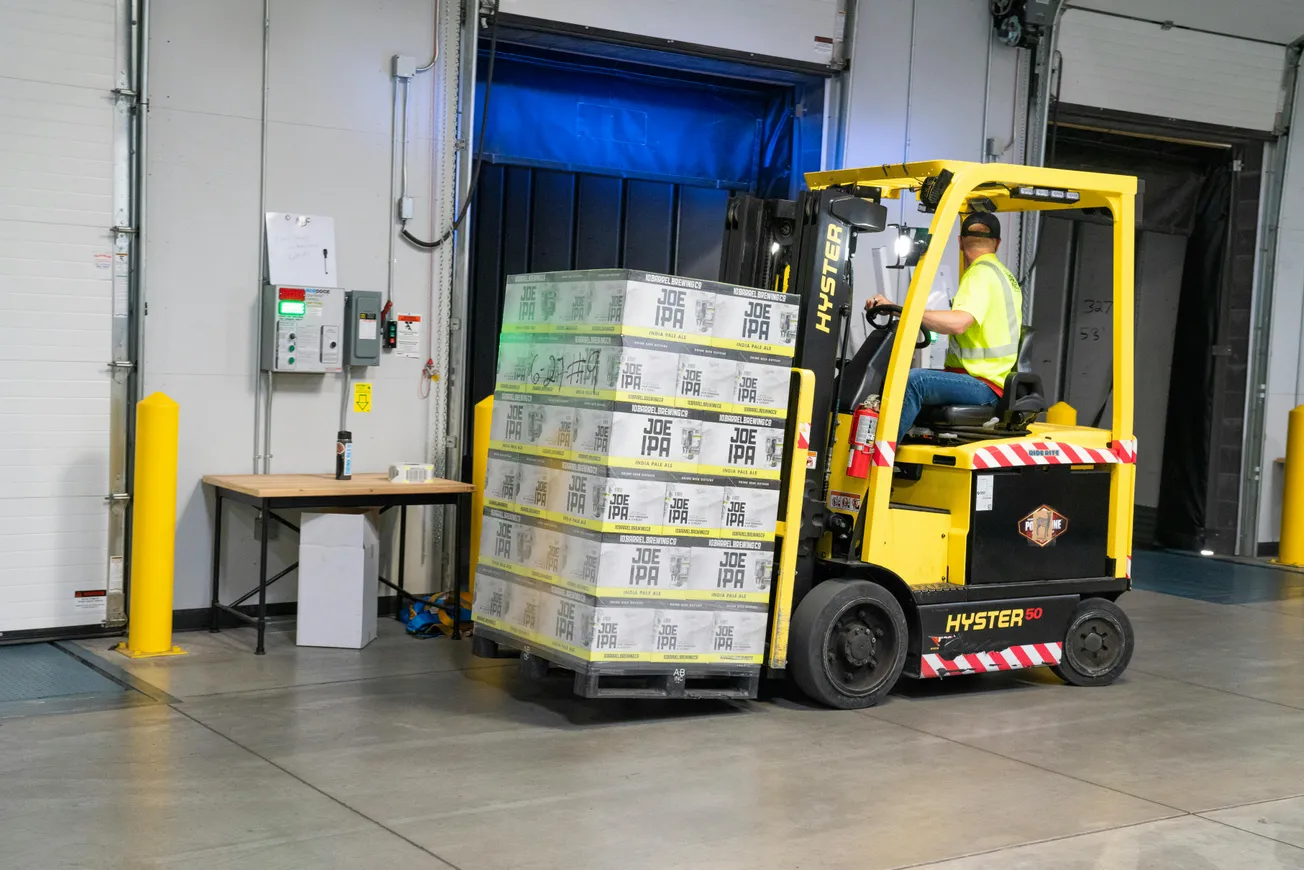
By 2028, 40% of parcels will be delivered within two hours, driven by innovations like drones and crowdsourced delivery.

In 2026, JD Logistics continues advancing its global logistics footprint — building on its 2‑3 day delivery infrastructure, expanded international express reach, and an integrated omni‑channel supply chain network to compete in the era of seamless cross‑border e‑commerce.

AI agents are now making retail decisions—brands must prioritize data accuracy, APIs, and machine-first execution to stay in the game.

Stronger wages in late 2025 could add roughly $32 billion to U.S. GDP in 2026, but many frontline workers remain cautious due to rising costs and economic uncertainty.
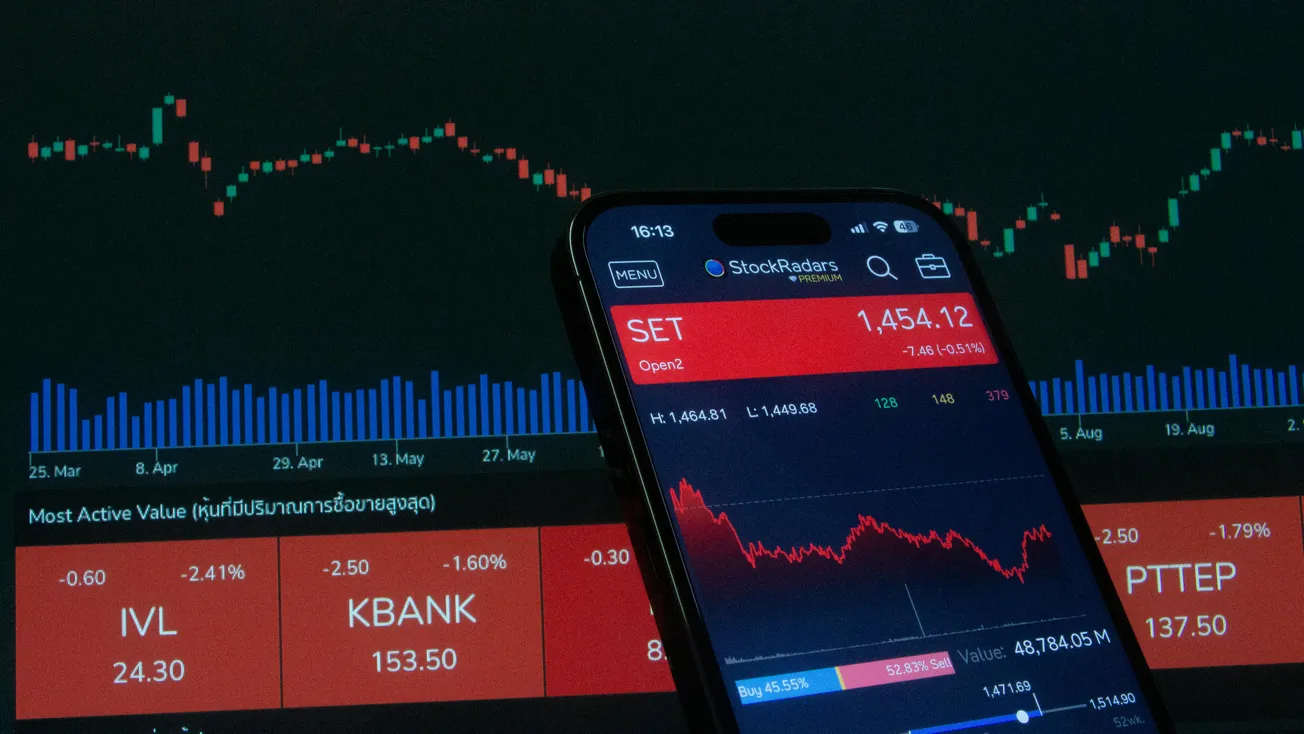
Beyond flashy payment tech, leading industry voices say operational resilience, data governance, identity modernization, and AI are redefining the future of money movement.

As seven U.S. states roll out Extended Producer Responsibility (EPR) laws for packaging, brands face complex compliance hurdles that require new data, processes, and resources.

While nearly all mid‑market CEOs recognize AI’s importance, only a fraction have true enterprise‑wide strategies as adoption stalls in pilot stages.

Retailers are using real-time in-store audience analytics to drive ad targeting, boost CPM revenue, and increase advertiser sales by up to 33%.

PROS and Lufthansa Group have extended their strategic partnership to advance airline retail innovation through AI-driven dynamic pricing and offer optimization, reshaping how travelers receive personalized, flexible commercial offers in real time.

Intel stock fell sharply after the company’s first‑quarter 2026 revenue and earnings guidance missed Wall Street expectations, highlighting supply constraints and near‑term growth concerns.

Severe winter weather in January 2026 dampened U.S. retail activity, slowing sales growth, disrupting supply chains, and shifting consumer spending toward essentials.

AI agents are becoming the shoppers. This episode explains how agentic commerce changes ecommerce priorities, why structured product data and real time inventory matter most, and how brands can win when machines choose what gets recommended.

In 2026, poor data hygiene is undermining the effectiveness of AI in supplier management, exposing retailers to risk, inefficiency, and compliance failures.