

Shoppers aren’t always the ones doing the shopping anymore. We unpack the accelerating rise of AI agents as product researchers and decision-makers, and why that flips long-held e-commerce priorities on their head. If a machine is choosing what to recommend, the inputs it reads, structured product data, real-time pricing, accurate inventory, and truthful delivery promises, matter far more than hero images or clever copy. That’s not a distant future; it’s the competitive landscape right now.
I walk through how agents actually shop: they parse intent, query catalogs through APIs, filter by constraints like budget and delivery dates, and present tight, defensible short lists. There’s no polite feedback when your feeds are stale, or your systems disagree; you simply disappear from the candidate set. That’s why this shift is different from mobile or omnichannel. It’s not another surface to polish; it’s a different decision-maker that rewards reliability over rhetoric and execution over aesthetics.
We break down what machines value and what they ignore, then translate those insights into a practical playbook. Think AI-first: treat product information, pricing, availability, and fulfillment as mission-critical infrastructure. Enforce attribute completeness, unify schemas, and expose robust, low-latency APIs. Measure success with machine-aware KPIs, freshness SLAs, discoverability in agent-guided flows, inclusion rates on constrained queries, alongside traffic and conversion. This is not just an IT problem; it spans merchandising, operations, and leadership, reshaping incentives and investments across the org.
If you want your products to show up when agents decide, build trust at the data layer and keep it fresh. When AI becomes the shopper, execution becomes the brand. Subscribe for more practical strategies on retail’s next turn, share this with a teammate who owns your catalog or inventory pipeline, and leave a review with the one metric you’d change first.

When AI Becomes the Shopper
AI agents are becoming the shoppers. This episode explains how agentic commerce changes ecommerce priorities, why structured product data and real time inventory matter most, and how brands can win when machines choose what gets recommended.
Related

Your eCommerce Reorganization Isn’t a Strategy
Scott Benedict unpacks the 2026 Profitero benchmark study, showing why operational capability beats org chart integration and how Centers of Excellence can connect AI, shopper insights, and supply chain decisions for omnichannel growth.
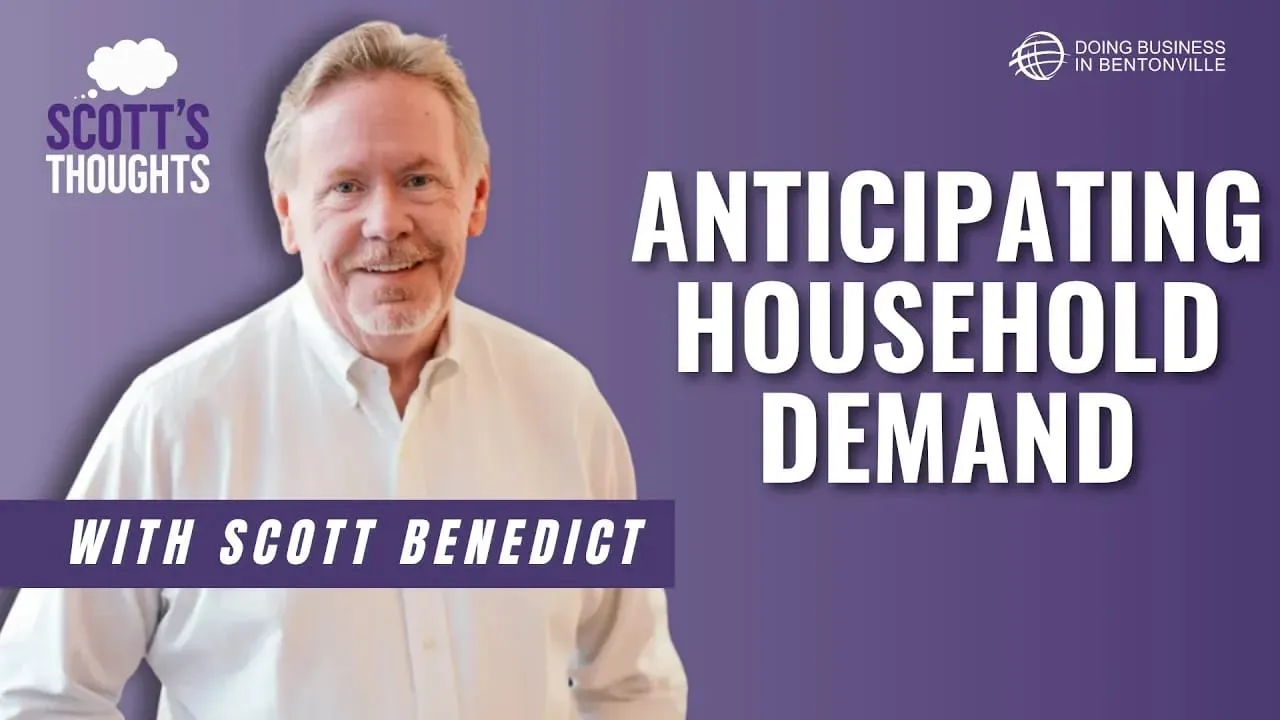
Retail Is Moving From Personalization to Prediction
Scott Benedict explains how retail is shifting from passive personalization to proactive prediction, breaking down how anticipating household purchase rhythms reshapes inventory planning, retail media, and AI agent discoverability.

Stop Testing Ideas. Start Testing Customer Problems.
Scott Benedict explains why ecommerce teams should stop testing random tweaks and focus on real customer friction points, using journey maps, session replays, and heatmaps to turn failed hypotheses into lasting revenue gains.

The AI Holiday Isn’t About Autonomous Shopping. It’s About Better Decisions.
Scott Benedict breaks down how retail AI will shape holiday 2026, showing why backend decision making and localized inventory allocation matter more than autonomous buying, with merchants still firmly in the driver's seat.
Latest
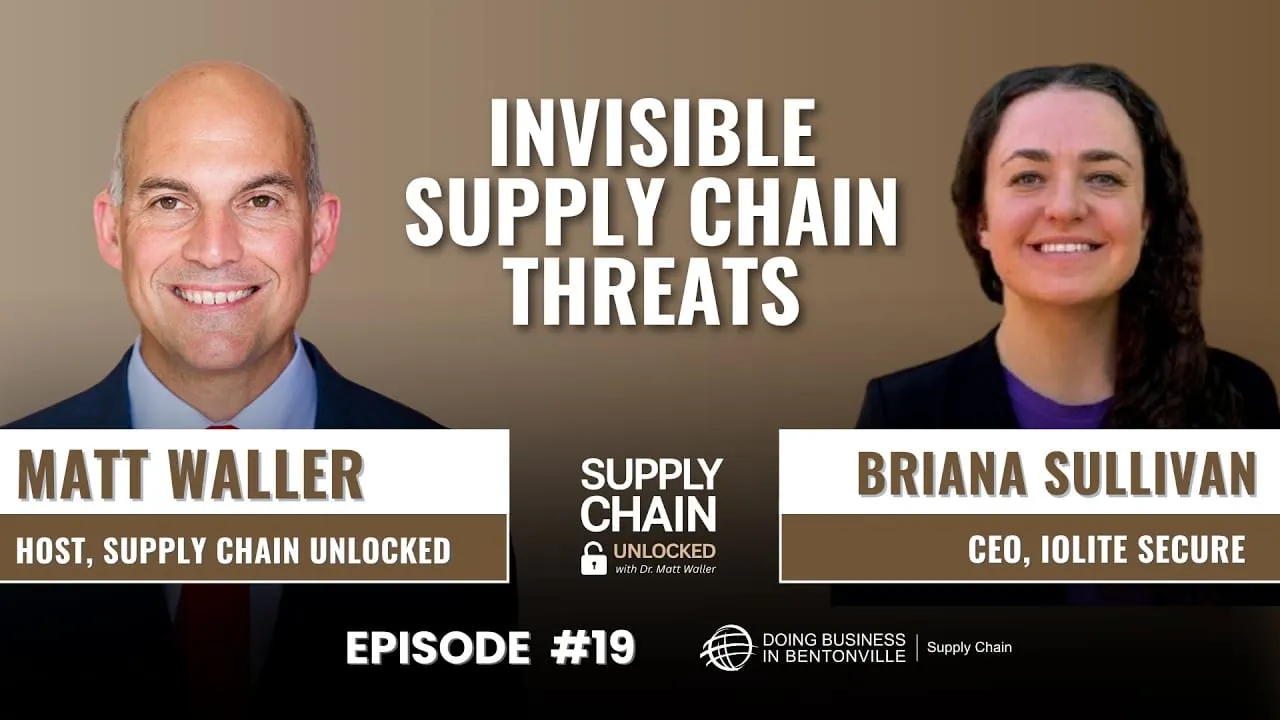
Ep. 19 - Securing Operations: Visibility Without the Cloud
Brianna Sullivan of Iolite Secure explains how threat actors exploit overlooked operational technology like legacy hardware and HVAC systems, and how logistics operators can detect anomalous device activity before production halts.

Ep. 7 - Authentic Engagement: Driving In-Store ROI
Ryan Hughes of Gratsy explains how experiential retail campaigns turn physical aisles into revenue driving destinations, breaking down demo stations, build-outs, and the KPI discipline needed to prove in store sales lift.
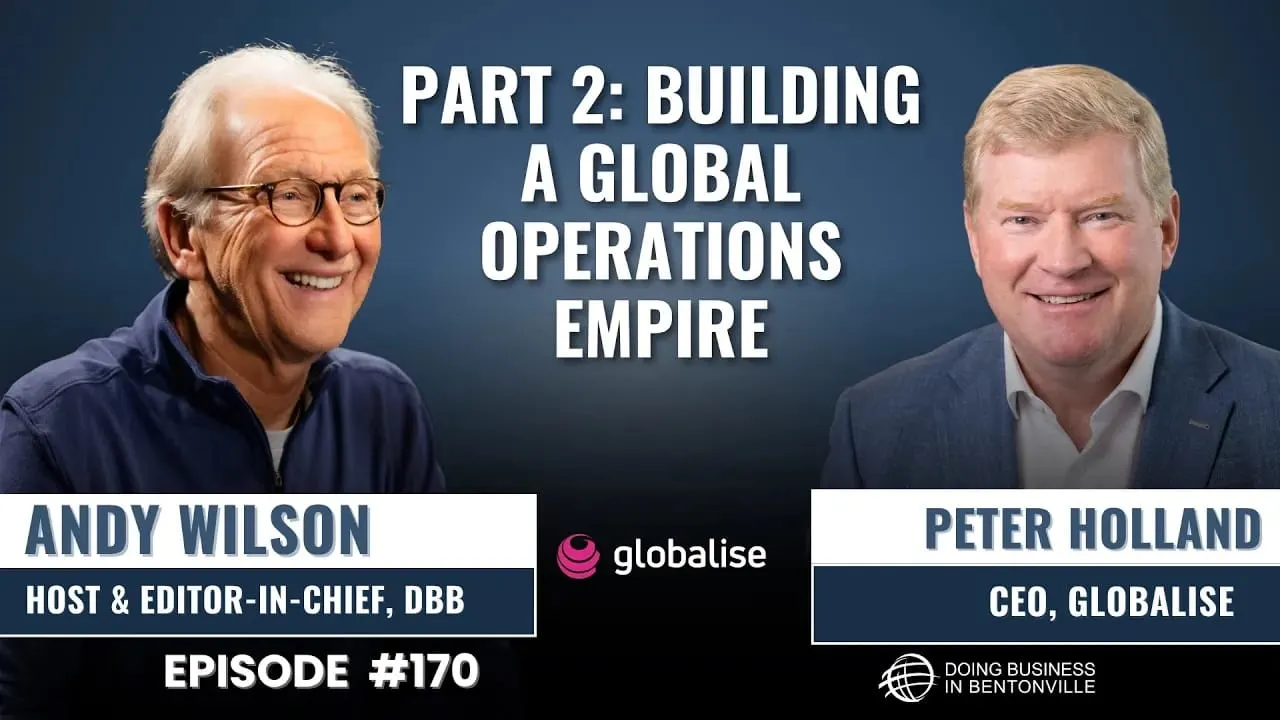
Ep. 170 - Part 2 - Ditch the Spreadsheets: Preparing HR for Automation
Globalize CEO Peter Holland explains how mid market operators can centralize global HR data, guard against cyber threats, and use automation and cross functional Tiger Teams to resolve multi country payroll problems quickly.
Your eCommerce Reorganization Isn’t a Strategy
Scott Benedict unpacks the 2026 Profitero benchmark study, showing why operational capability beats org chart integration and how Centers of Excellence can connect AI, shopper insights, and supply chain decisions for omnichannel growth.