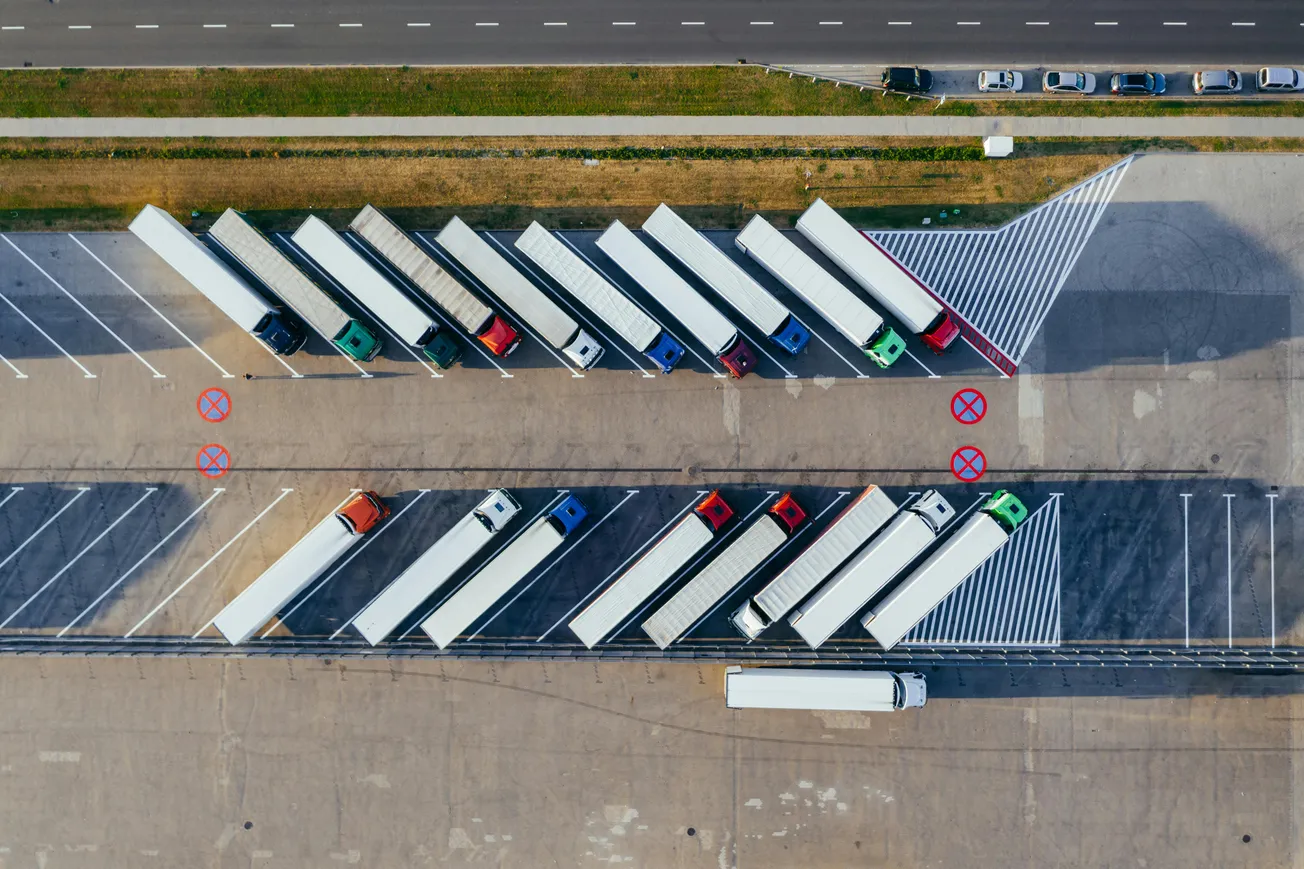
Why Fleet Unification Matters More Than Ever in 2025
Fleet unification can cut costs, reduce downtime, and improve customer trust—here’s how logistics leaders are rethinking operations in 2025.


Fleet unification can cut costs, reduce downtime, and improve customer trust—here’s how logistics leaders are rethinking operations in 2025.

Retail post-COVID demands flexibility, digital innovation, and consumer trust, reshaping how businesses engage and serve evolving shopper expectations.

Ingka Group, Ikea’s parent company, acquires AI logistics firm Locus to boost home delivery speed, efficiency, and flexibility worldwide.

AI is transforming procurement by automating invoice tasks, improving data accuracy, and freeing teams for strategic work.

Walmart now delivers refrigerated prescriptions like insulin nationwide, offering same-day convenience for millions of U.S. patients.

Walmart’s initiative to offer free, custom AI training and open certification to every U.S. associate rewrites how retailers balance human capital and technology in the age of AI.
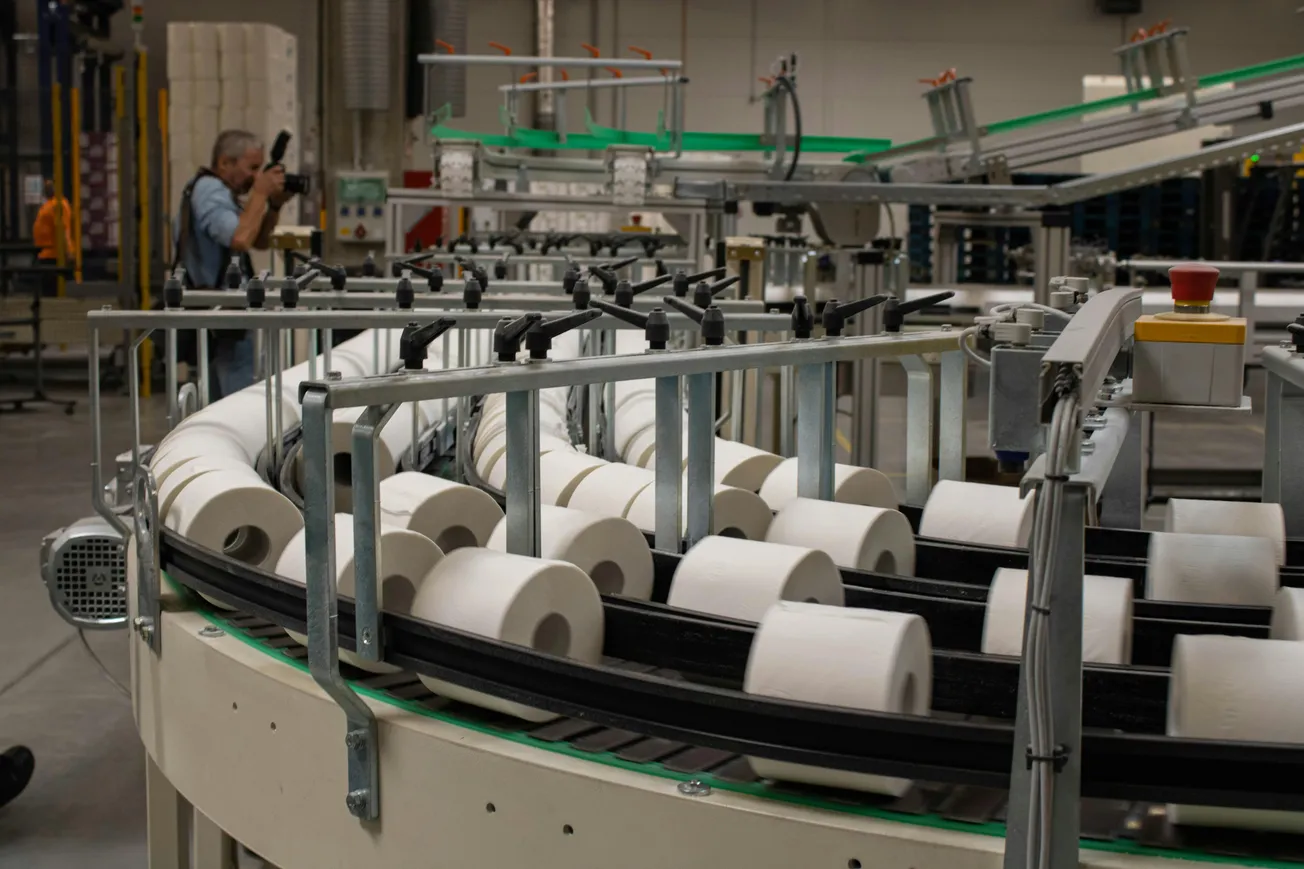
Retail fulfillment is evolving rapidly; discover what retailers will need from 3PLs in 2026 to thrive in an omnichannel environment.
MIT’s FreightLab partners with industry to turn academic research into freight transportation solutions.

Businesses face rising pressure to prove sustainability with real data as new regulations and stakeholder demands transform supply chain accountability.

Walmart VP Tasha Tandy shares how discipline, empathy, and smart partnerships shape pricing, sourcing, and product innovation. Discover how breakfast trends, clean labels, and holiday favorites create real value for shoppers.
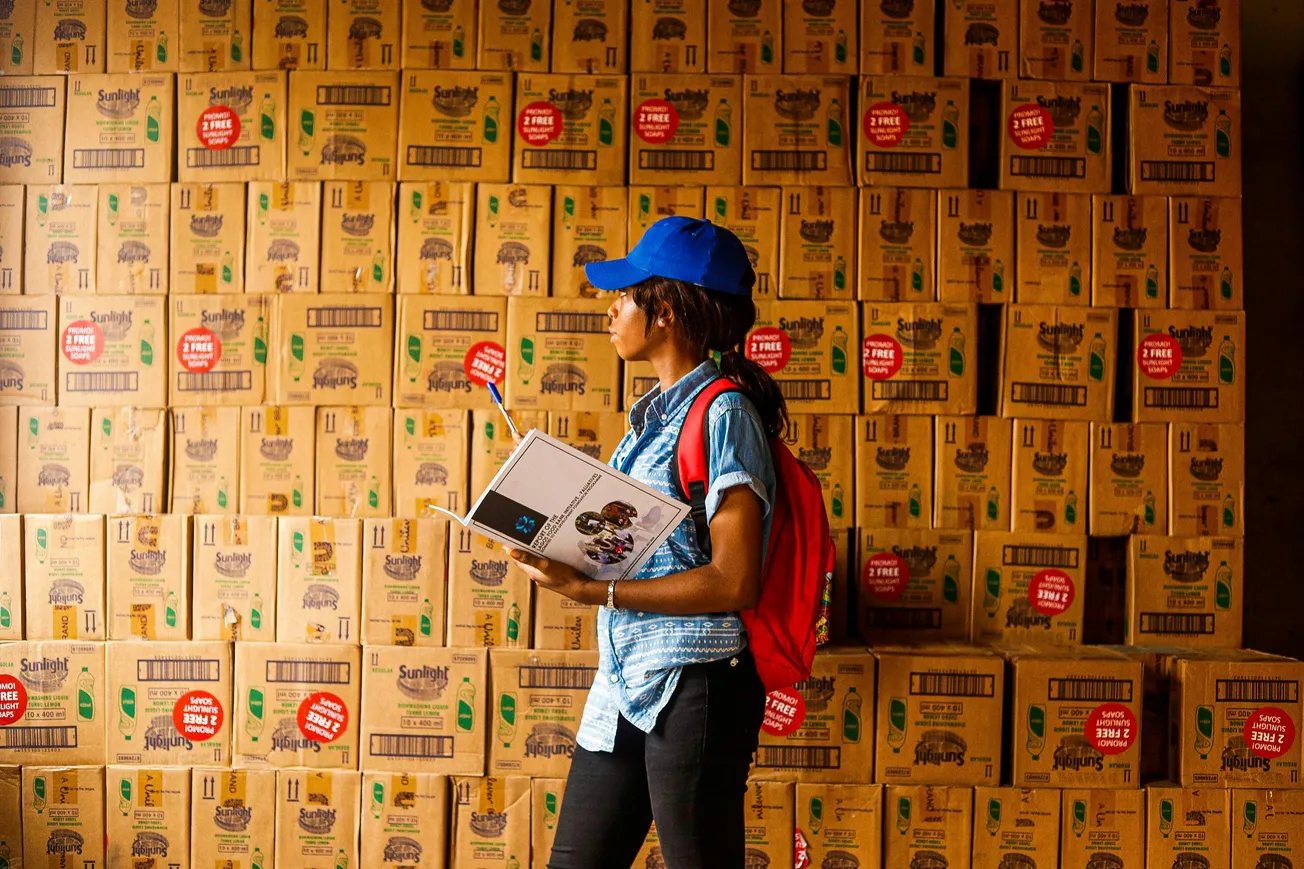
Lina Castaneda shares how adaptability, continuous learning, and inclusive leadership have shaped her career in supply chain and tech.

Hammacher Schlemmer launches going-out-of-business sales with deep discounts, but hints at a future relaunch of the historic retail brand.

Pallet Alliance uses science, IoT, and strategy to cut costs and improve efficiency in overlooked areas of the supply chain.

Companies are leveraging transportation perks and tracking tech to enhance workforce productivity, safety, and morale.
Retailers expanding in 2026 must prioritize IT infrastructure, cybersecurity, and cloud-based scalability to stay competitive and customer-ready.

At Home wins U.S. Bankruptcy Court approval for a $2B debt restructuring and sale to lenders, gaining $500M in financing to support operations.